

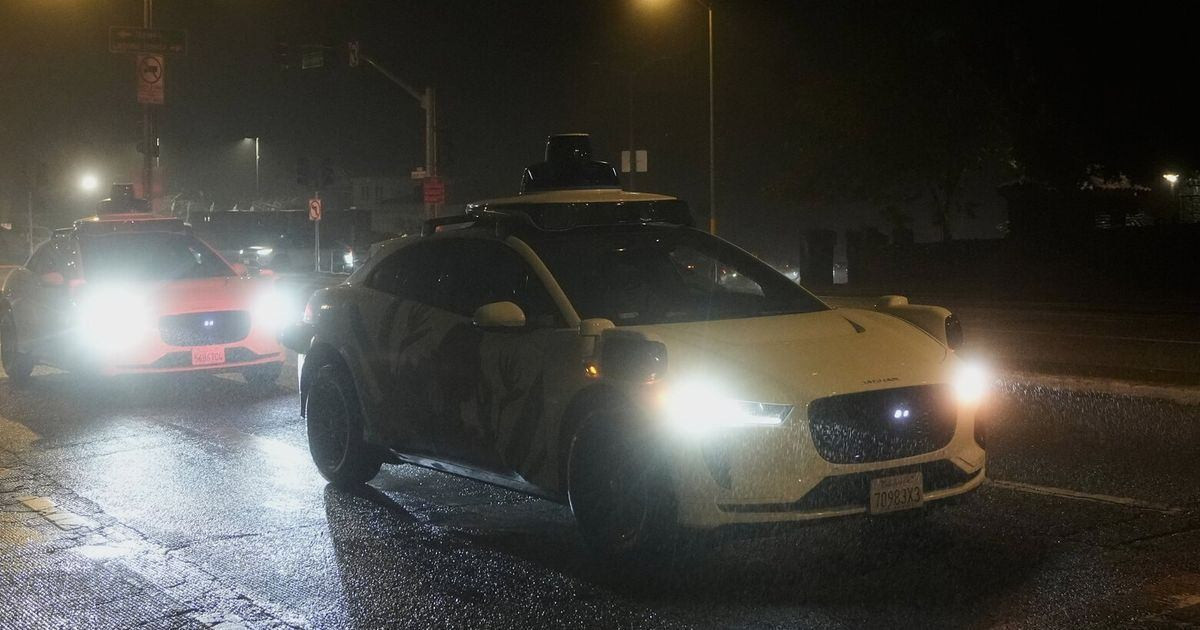
Waymo’s autonomous vehicles stalled and blocked traffic across San Francisco after a massive power outage left traffic lights dark, forcing the company to pause operations and raise fresh concerns about whether self-driving technology can handle real-world emergencies and infrastructure failures. The vehicles, programmed to treat nonfunctional signals as four-way stops, repeatedly stopped at intersections, creating gridlock that even emergency responders had to work around as the city coped with the outage. Waymo is now rolling out software updates and refining its emergency protocols, but critics warn that this incident highlights fundamental weaknesses in deploying large autonomous fleets before stress-testing them for rare but foreseeable events.
Sources: Reuters, NBC Bay Area
Key Takeaways
Waymo’s robotaxis stalled at dark traffic lights across San Francisco during a major power outage, blocking intersections and disrupting traffic flow until services were paused.
The outage exposed limitations in the current autonomous system’s ability to make timely decisions under widespread infrastructure failure, prompting software updates and emergency protocol revisions.
Critics argue this event underscores broader concerns about the readiness of self-driving fleets in emergency scenarios and the risks of premature deployment.
In-Depth
Last weekend’s massive power outage in San Francisco didn’t just knock out streetlights and disrupt daily life — it offered a stark, real-world test of autonomous vehicle technology under stress, and the results weren’t pretty. On Dec. 20, a fire at a Pacific Gas and Electric substation plunged parts of the city into darkness. With traffic signals inoperative across large swaths of urban streets, Waymo’s fleet of self-driving robotaxis encountered conditions their programming wasn’t prepared to manage at scale. Rather than flowing through intersections like human drivers might — by cautiously moving through dark lights when it’s safe — many of the autonomous vehicles simply stopped, often in the middle of intersections, and remained there as other traffic built up around them. This wasn’t just an inconvenience; it snarled roadways across the city and forced Waymo to temporarily suspend its service. According to reports, Waymo’s system treats nonfunctioning signals as four-way stops, but a surge in system “confirmation checks” overwhelmed its remote assistance protocols, slowing decision-making to a crawl. Eventually, the company coordinated with city officials, directed vehicles to pull over where practical, and resumed operations the next day once power was largely restored.
The episode has ignited tough questions about the readiness of driverless cars for unpredictable everyday emergencies. Waymo has acknowledged the shortcomings, announcing fleet-wide software updates intended to better equip its vehicles to recognize outage contexts and act more decisively. The company also plans to improve its emergency response playbook and increase collaboration with first responders. That’s a necessary evolution — but for many observers, the outage was a glaring demonstration of how dependent autonomous vehicles are on perfectly functioning infrastructure, and how disruptive they can become when reality doesn’t cooperate.
From a broader policy perspective, the blackout has fueled renewed debate about autonomous vehicles on public roads. Regulators and technologists alike are asking whether hitting an “edge case” like a citywide outage should be treated as an acceptable learning moment or a red flag that deployment has outpaced readiness. California regulators are already reviewing the incident, and the CPUC could reassess how and where such technologies operate in the future.
Supporters of autonomous vehicles argue that real-world stress tests like this one are precisely what the technology needs to mature. Every innovation encounters unforeseen challenges, and responding with iterative improvements is part of the process. In that light, Waymo’s commitment to updates and protocol revisions may strengthen its system over time. But skeptics point out that gridlock created by machine indecision is not a minor flaw — it’s a fundamental risk when human lives and emergency logistics are on the line. As self-driving fleets expand into more cities, the San Francisco outage serves as a cautionary tale that you can’t automate your way out of every problem, especially when the underlying public infrastructure fails. The question going forward is whether companies like Waymo can anticipate the unpredictable, or whether their vehicles will continue to falter at the first sign of chaos.