

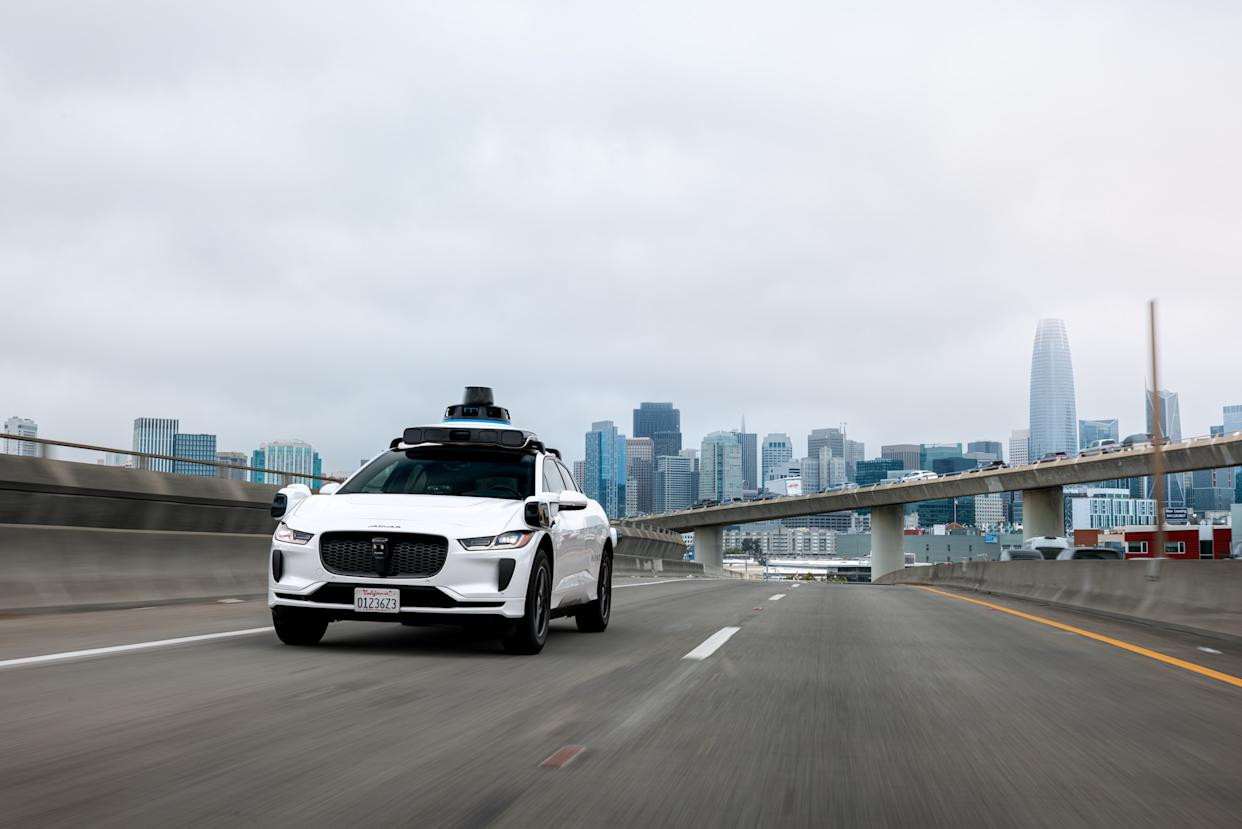
Tech giant Waymo has received official clearance from the California Department of Motor Vehicles (DMV) to broaden its driver-free vehicle operations across large swaths of the state, including the Bay Area (East Bay, North Bay, Sacramento) and Southern California from Santa Clarita down to San Diego. The approval covers testing and deployment of fully autonomous vehicles in the newly specified zones, though separate permissions will still be required before the company carries paying passengers in those zones. The move cements Waymo’s role as the dominant U.S. robotaxi operator and signals that California is ready to accommodate large-scale autonomous mobility, even as other firms face regulatory or operational hurdles.
Sources: NBC News San Francisco, CBS News
Key Takeaways
– The approval dramatically expands Waymo’s operational footprint, moving beyond its previous confines (San Francisco, Silicon Valley and Los Angeles) into much of Northern and Southern California.
– While testing and deployment are now authorised across the new zones, commercial service (carrying fare-paying passengers) still requires additional regulatory clearance — so practical rollout remains pending.
– This expansion comes at a time when other robotaxi players are retreating or facing scrutiny, making Waymo’s growth especially significant in the autonomous-mobility market.
In-Depth
In a development that reinforces the conservative case for technological and regulatory synergy in private innovation, Waymo — the self-driving vehicle arm of Alphabet’s stable — has secured regulatory approval from the California Department of Motor Vehicles to extend its driverless operation zones across the Bay Area and a large stretch of Southern California. Previously confined to certain segments of San Francisco, Silicon Valley and Los Angeles, Waymo’s new permit positions it to test and deploy fully autonomous vehicles in expansive new territories: from the East Bay and North Bay (including Napa/Wine Country) to Sacramento, and in the southern region from Santa Clarita down to San Diego. These areas utilise a vastly broader geography than the company’s earlier footprint.
Why does this matter? From a conservative viewpoint, this is a win for market-led innovation, regulatory clarity, and technological competition. Waymo’s growth underscores how private enterprise, with the right regulatory alignment, can scale transformative mobility solutions without waiting exclusively for government-run programs. It also highlights how robust oversight paired with measured expansion can yield realworld benefits: improved traffic efficiency, potential cost reductions for transit, and reduced dependence on subsidies or costly infrastructure projects.
That said, the company has not yet been given permission to begin fare-paying service in the newly approved zones — that step will require further permissions. So while the march toward full commercial rollout continues, we’re not yet at the point where riders across those areas can hail a Waymo robotaxi. From the regulatory standpoint, this expansion signals that California is willing to grant conditional permits that respect safety boundaries while fostering innovation. In a sector where firms such as Cruise have faltered under regulatory pressure and safety concerns, Waymo’s measured progress is noteworthy.
For consumers and local governments, the implications are significant: more mobility options, potentially lower congestion and emissions, less need for expensive infrastructure builds (in theory), and an emphasis on private investment rather than purely public projects. For those wary of Big Tech overreach, the incremental regulatory model here may provide reassurance: the company still must clear future commercial-service hurdles; approval does not equate to full deployment overnight.
In short, this milestone marks a major stepping-stone toward mainstream autonomous ride-hailing in California. It aligns with conservative values of innovation, private-sector leadership and regulatory accountability. That said, full rollout remains a work in progress: the risks, timelines and practical service details remain to be seen — but the terrain has shifted.