

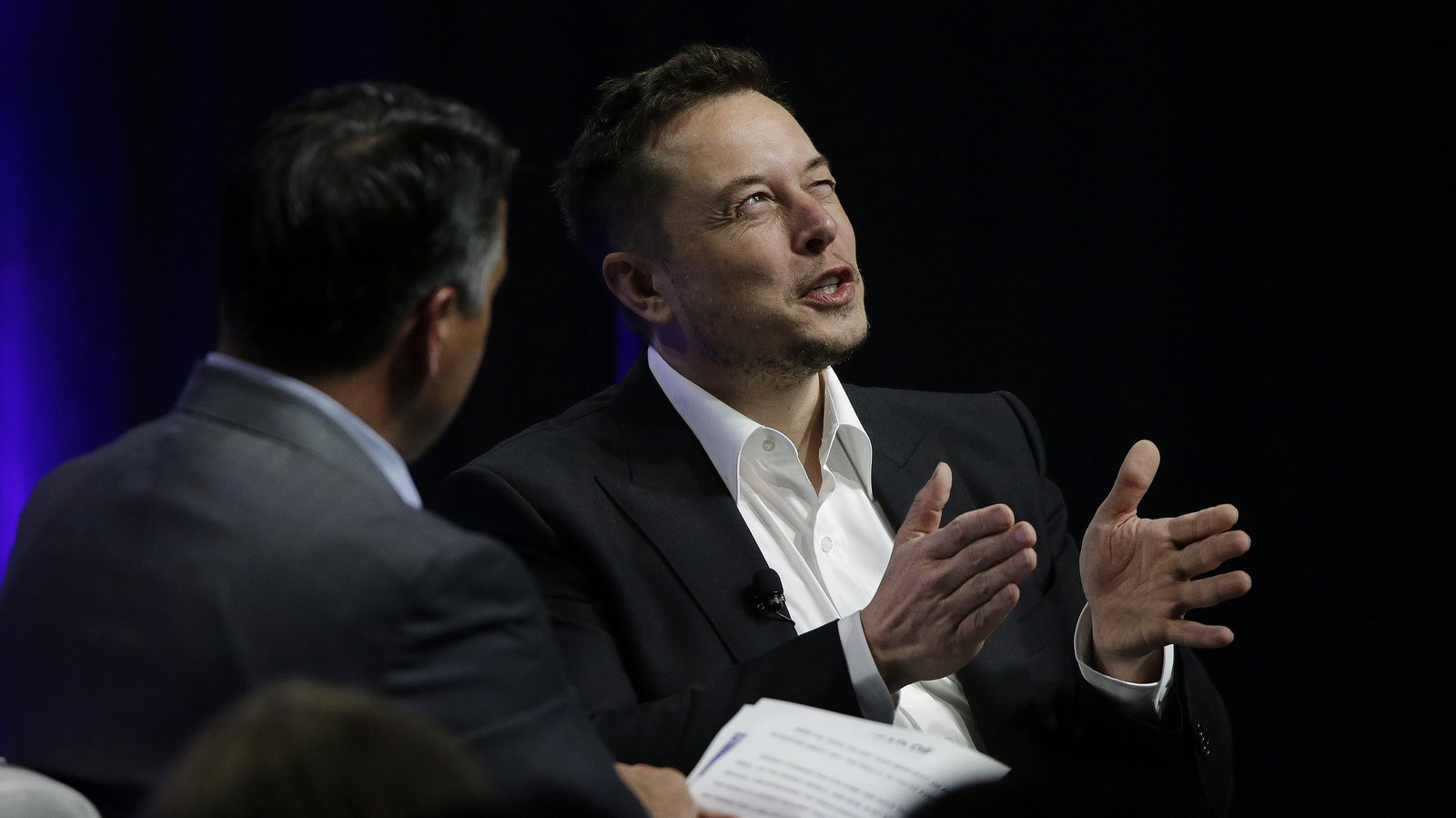
A high-stakes legal battle between Elon Musk and Sam Altman is moving toward trial, centering on allegations that the leadership of OpenAI deviated from its original nonprofit mission in pursuit of commercial gain, with Musk arguing that the organization’s transformation undermines its founding principles while Altman’s camp maintains that evolving the structure was necessary to scale advanced artificial intelligence responsibly; the dispute underscores deeper tensions in the tech world over governance, transparency, and the concentration of power in AI development, with the outcome poised to influence how future frontier technologies are funded, controlled, and regulated in an increasingly competitive global landscape.
Sources
https://www.nytimes.com/2026/04/23/technology/elon-musk-sam-altman-openai-trial.html
https://www.reuters.com/technology/musk-openai-lawsuit-trial-2026-04-23/
https://www.wsj.com/tech/ai/musk-altman-openai-lawsuit-trial-2026-04-23
Key Takeaways
- The legal dispute reflects a fundamental clash over whether AI development should prioritize nonprofit ideals or commercial scalability.
- The case could set a precedent for how emerging technologies are governed, particularly when public-interest missions intersect with private capital.
- Broader concerns about centralized control of AI capabilities are intensifying as a small number of entities dominate development.
In-Depth
The impending courtroom clash between Elon Musk and Sam Altman is more than a personal dispute—it’s a proxy battle over the future structure and philosophy of artificial intelligence development. At its core, the disagreement stems from OpenAI’s evolution from a nonprofit entity into a hybrid model that blends mission-driven rhetoric with aggressive commercial expansion. Musk contends that this shift represents a betrayal of the organization’s founding promise to develop AI for the broad benefit of humanity, rather than for profit or concentrated control. Altman’s position, by contrast, reflects a pragmatic view that scaling advanced AI requires immense capital, infrastructure, and partnerships that a purely nonprofit structure cannot realistically sustain.
This tension exposes a deeper fault line in the tech sector. On one side is the idealistic vision that transformative technologies should remain decentralized and aligned with public good principles. On the other is the reality that cutting-edge innovation—especially in AI—demands resources on a scale that typically comes from private investment and corporate frameworks. The legal arguments are likely to drill into governance documents, intent, and fiduciary obligations, but the broader implications extend far beyond contractual interpretation.
What makes this case particularly consequential is its timing. AI capabilities are accelerating rapidly, and the concentration of power among a handful of organizations has raised legitimate concerns about influence, accountability, and geopolitical competition. If Musk’s arguments gain traction, it could embolden challenges to similar hybrid models across the tech landscape. If Altman’s defense prevails, it may effectively validate a new norm where mission-driven language coexists with profit-oriented execution.
Either way, the trial is shaping up to be a defining moment. It will force a clearer reckoning with whether the pursuit of advanced AI can remain aligned with public interest—or whether, as history often suggests, economic realities ultimately dictate the structure and control of transformative technologies.