

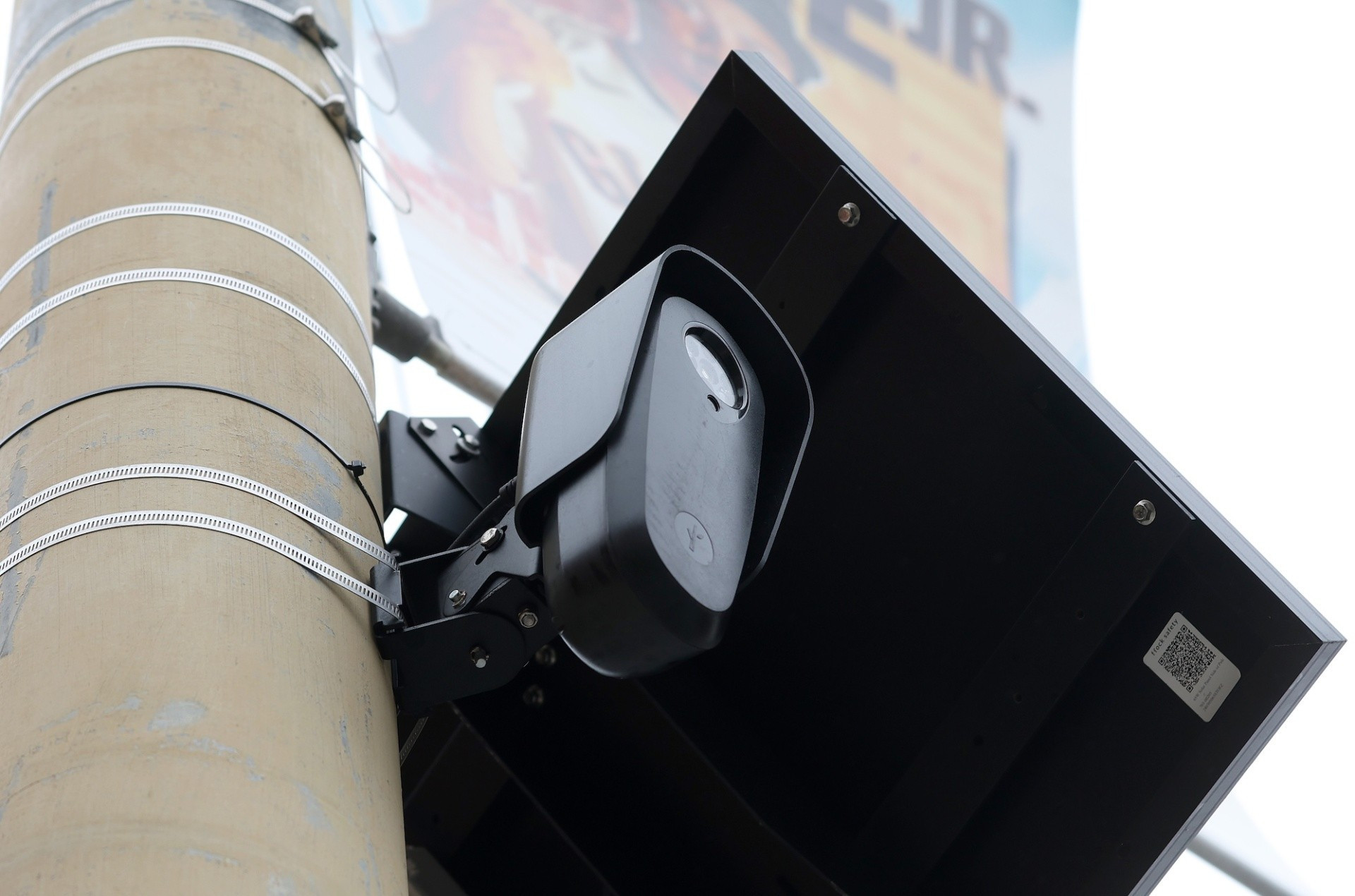
A growing controversy surrounding Madison Square Garden’s use of facial recognition technology and internal surveillance practices has intensified scrutiny over how private companies monitor individuals, with critics arguing the system—reportedly overseen by executive Jim Dolan—extends beyond standard security measures into a broad, potentially punitive network targeting perceived adversaries such as lawyers and critics, while raising broader questions about privacy, accountability, and the normalization of corporate surveillance in public-facing venues.
Sources
https://www.wired.com/story/madison-square-garden-jim-dolan-surveillance-machine/
https://www.nytimes.com/2023/01/25/nyregion/msg-facial-recognition-lawyers.html
https://www.reuters.com/world/us/madison-square-garden-uses-facial-recognition-ban-lawyers-2023-01-26/
Key Takeaways
- Private corporations are increasingly deploying advanced surveillance tools like facial recognition with limited oversight or transparency.
- The targeting of specific individuals, including legal professionals, raises serious concerns about retaliation and abuse of power.
- The normalization of these systems in high-profile venues may set precedents that erode public expectations of privacy.
In-Depth
The unfolding situation surrounding surveillance practices at Madison Square Garden highlights a larger tension that has been building quietly for years: the rapid expansion of powerful monitoring tools in the hands of private entities, often with little meaningful oversight. What has come into focus here is not simply the use of facial recognition for crowd safety or operational efficiency—applications that many might accept under clearly defined limits—but a system that appears to blur the line between security and selective enforcement.
Reports indicate that individuals associated with legal actions against the organization have been flagged and denied entry to events, raising legitimate concerns about whether surveillance infrastructure is being used to settle scores rather than protect patrons. That distinction matters. When a company operating a major public venue begins to use technology to identify and exclude critics or legal opponents, it introduces a chilling effect that extends beyond the immediate targets. It signals that participation in civic or legal processes could carry consequences in unrelated areas of life.
Supporters of such systems might argue that private property owners retain the right to control access and ensure safety. That argument, however, becomes harder to defend when the tools in question are as sweeping and precise as modern biometric systems. Facial recognition does not just identify threats; it catalogs individuals, builds data profiles, and enables enforcement decisions at scale. Without clear boundaries, it risks becoming a mechanism for broad, discretionary control.
This situation also underscores a deeper issue: technological capability is advancing far faster than legal frameworks designed to regulate it. While government use of surveillance often draws public debate and legislative attention, corporate use tends to operate in a quieter space, even though its impact on daily life can be just as significant. Large venues, entertainment spaces, and commercial hubs are increasingly acting as quasi-public environments, where expectations of access and fairness intersect with private ownership rights.
The concern is not simply about one venue or one executive. It is about the precedent being set. If this model of surveillance—extensive, opaque, and selectively enforced—becomes normalized, it may redefine what individuals can reasonably expect when they enter spaces that feel public but are governed privately. That shift, once embedded, is difficult to reverse.