

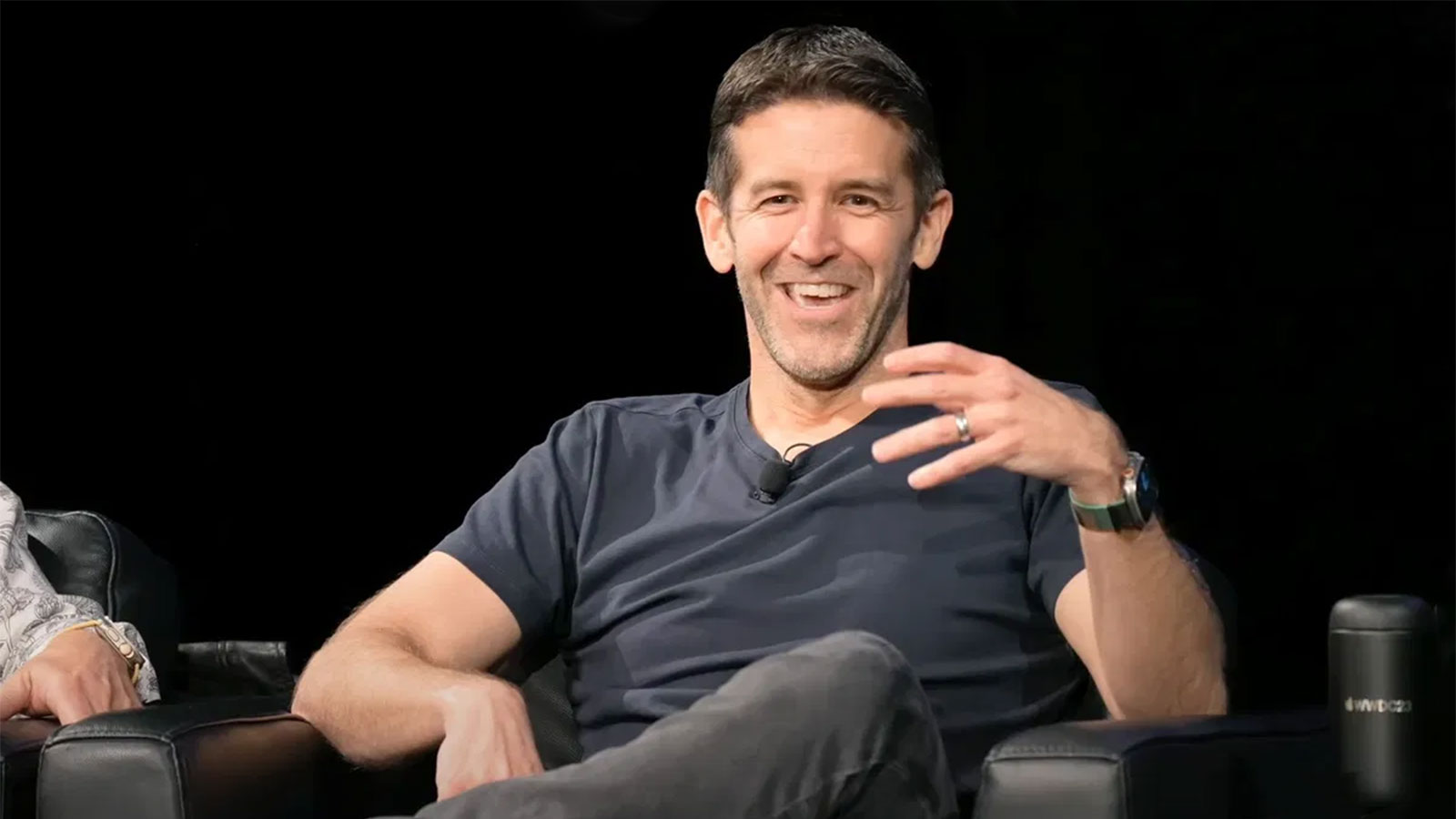
Apple is moving toward a leadership transition that underscores a return to its product-centric roots, with longtime hardware chief John Ternus emerging as the leading candidate to succeed CEO Tim Cook, whose tenure has been defined by operational excellence and massive financial growth. The shift reflects internal thinking that the company’s future competitiveness—particularly as it faces intensifying pressure in artificial intelligence and global manufacturing challenges—will depend less on supply chain mastery and more on engineering-driven innovation. Ternus, a decades-long insider who has overseen the development of core products like the iPhone, Mac, and iPad, is viewed as a stabilizing yet forward-leaning choice, capable of preserving Apple’s culture while refocusing it on breakthrough hardware. The broader “wish list” for Apple’s next phase reportedly includes regaining technological leadership, tightening product quality, and navigating geopolitical headwinds, all while maintaining the disciplined execution that defined the Cook era.
Sources
https://www.phillyvoice.com/apple-next-ceo-john-ternus-university-of-pennsylvania-tim-cook/
https://www.geekwire.com/2026/former-advisor-to-steve-jobs-says-new-apple-ceo-is-exactly-whats-needed-an-engineer-from-the-inside/
https://www.bbc.com/news/technology (general reporting on Apple leadership transition and challenges; accessible main domain for corroboration)
Key Takeaways
- Apple is preparing for a leadership transition that favors a hardware-focused executive over an operations-driven model.
- The company faces mounting pressure to compete in artificial intelligence while maintaining its dominance in consumer hardware.
- Internal priorities include strengthening innovation, improving product execution, and managing geopolitical and supply chain risks.
In-Depth
Apple’s anticipated leadership transition marks more than a personnel change—it reflects a strategic recalibration at a moment when the company’s dominance is being quietly tested. For years, Tim Cook’s stewardship delivered extraordinary financial growth, turning Apple into a multi-trillion-dollar enterprise through supply chain mastery, disciplined execution, and incremental product evolution. But the next phase appears to demand something different.
The elevation of a hardware engineer signals recognition that Apple’s historical edge came not from being first, but from being better. That formula—refining existing categories into must-have products—built the iPhone ecosystem and sustained the company’s cultural relevance. Now, however, the competitive landscape has shifted. Rivals are aggressively investing in artificial intelligence, an area where Apple has been notably cautious, if not slow. That hesitation has raised questions about whether the company risks falling behind in the next foundational technology cycle.
A hardware-first leader suggests Apple intends to double down on what it controls best: tightly integrated devices that define user experience. The belief inside the company appears to be that AI, while important, will ultimately be delivered through hardware platforms where Apple still holds a commanding advantage. That’s a defensible position—but it is not without risk. Betting too heavily on hardware without matching advances in software intelligence could leave the company reactive rather than leading.
At the same time, external pressures are mounting. Dependence on overseas manufacturing—particularly in politically sensitive regions—remains a structural vulnerability. Tariffs, regulatory scrutiny, and shifting global alliances complicate long-term planning. A new CEO will have to balance innovation ambitions with geopolitical realities, a task that requires both technical insight and strategic discipline.
In practical terms, Apple’s “wish list” moving forward is clear: reassert product leadership, close the perceived gap in artificial intelligence, and maintain the operational excellence that made it dominant in the first place. Whether that balance can be achieved under a new kind of leadership will define the company’s trajectory for the next decade.