

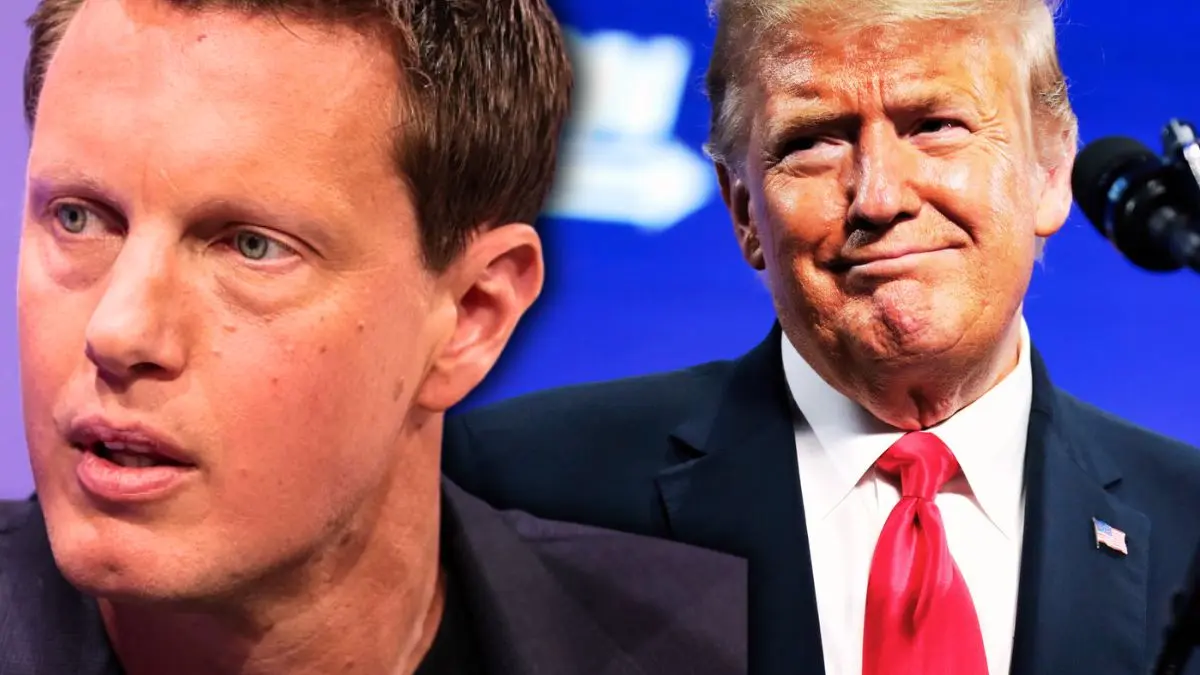
President Donald Trump’s highly publicized UFC event at the White House has intensified scrutiny of the increasingly visible relationship between the administration, UFC leadership, and media executive David Ellison, whose Paramount Skydance empire recently received federal approval for a major media merger. Critics argue that the convergence of political influence, sports entertainment, and media consolidation raises legitimate questions about regulatory independence and corporate access, while supporters contend the event reflects a uniquely American blend of culture, business, and patriotism. The controversy comes as Paramount+ streamed the event and as Ellison’s growing media holdings place him among the most influential figures in the American information landscape.
Sources
- https://www.reuters.com/business/media-telecom/trump-hosts-white-house-cage-fights-amid-war-political-scrutiny-2026-06-14
- https://www.pbs.org/video/fight-night-1781299332
- https://www.theguardian.com/us-news/2026/jun/12/paramount-warner-bros-merger
- https://www.businessinsider.com/paramount-skydance-warner-bros-discovery-deal-trump-administration-approval-ellison-2026-6
Key Takeaways
- The White House UFC event further highlighted the close relationship among President Trump, UFC leadership, and Paramount Skydance chairman David Ellison.
- Paramount Skydance recently secured federal approval for a major media merger, dramatically expanding Ellison’s influence across entertainment, news, and streaming.
- Critics see the timing and optics as evidence of excessive overlap between government and favored corporate interests, while supporters view the developments as legitimate business success and cultural engagement.
In-Depth
The intersection of politics, media, and entertainment has rarely been as visible as it was this week. President Donald Trump’s UFC spectacle on the White House grounds delivered exactly what modern politics often rewards: attention, spectacle, and massive audience engagement. Yet beyond the lights and headlines lies a more consequential story involving the expanding influence of David Ellison and his rapidly growing media empire.
Ellison has emerged as one of the most powerful figures in American media following the creation of Paramount Skydance and the federal approval of its proposed acquisition of Warner Bros. Discovery. The resulting company would control an enormous portfolio of news, entertainment, sports, and streaming assets at a time when public trust in media institutions remains historically low.
From a conservative perspective, there is nothing inherently improper about successful business leaders maintaining relationships with elected officials. Washington has long operated through networks of influence, and previous administrations cultivated their own preferred corporate partners. However, conservatives who have spent years criticizing cozy relationships between government regulators and favored industries should apply the same standards consistently regardless of who occupies the White House.
The broader concern is not the UFC event itself. It is the appearance that political power, media ownership, regulatory approval, and corporate interests are increasingly intertwined. Whether one supports Trump or opposes him, a healthy republic benefits when major regulatory decisions are perceived as transparent and independent from political relationships.
As media consolidation accelerates and a handful of executives gain unprecedented influence over news distribution, Americans across the political spectrum would be wise to pay close attention. The real story may not be what happened inside the cage, but who controls the cameras broadcasting it.