

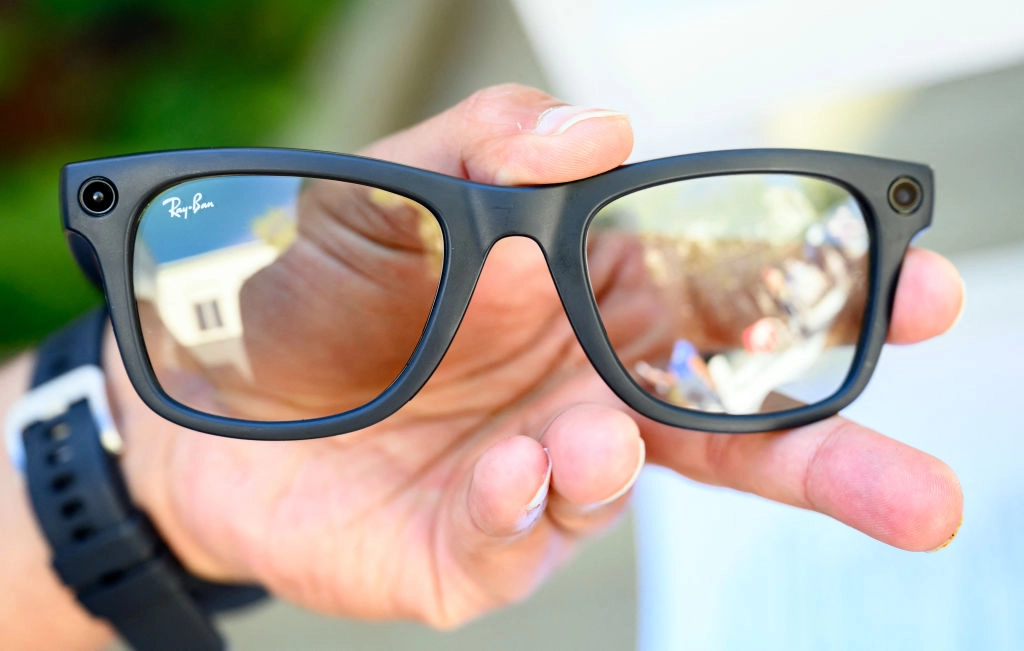
• Australia’s Greens propose a 12-month import ban on camera-equipped smart glasses, citing covert surveillance, unauthorized recordings and inadequate privacy protections.
• Proposed legislation would strengthen consent requirements and regulatory enforcement while exempting legitimate disability aids from import restrictions.
• The Australian government opposes an immediate import ban, favoring broader privacy reforms as regulators investigate data security and surveillance risks.
Australia’s Greens have called for a 12-month ban on imports of camera-equipped smart glasses and other covert wearable recording devices, arguing that existing privacy protections cannot keep pace with technology capable of secretly filming strangers. Sen. David Shoebridge’s proposal would amend privacy laws to restrict recording, storing and sharing footage without consent, while granting regulators stronger enforcement powers. The proposed restrictions would exempt disability aids, recognizing the devices’ accessibility benefits.
The proposal has attracted support from independent lawmakers amid concerns about inexpensive glasses that resemble ordinary eyewear while capturing audio and video. However, Attorney-General Michelle Rowland said the government was not pursuing an import ban, favoring broader privacy reforms and proportionate responses. Local authorities have separately restricted smart glasses in sensitive facilities, including swimming pools and childcare settings. Australia’s privacy commissioner has examined technology providers and opened an investigation into software associated with low-cost devices, highlighting questions about data collection, notification and accountability.
Why It Matters
The dispute exposes a growing conflict between technological convenience and the fundamental right to be left alone. Cameras disguised as everyday eyewear can strip citizens of meaningful notice that they are being recorded, particularly in places where children and families expect privacy. Allowing manufacturers to expand surveillance capabilities before adequate safeguards exist risks making personal privacy an afterthought rather than a protected liberty.
Yet a blanket import ban would restrict lawful innovation and potentially useful accessibility tools. A sound response should target covert recording, unauthorized data collection and companies that fail to protect users, rather than assume every purchaser intends harm. Clear recording indicators, enforceable consent protections and penalties for abuse could address genuine threats without unnecessarily limiting legitimate applications. Australia’s debate offers a warning to other democracies: Neither corporate promises nor sweeping government prohibitions should substitute for narrowly tailored rules that protect individual rights while preserving technological freedom and personal responsibility.
Sources
• https://www.oaic.gov.au/news/blog/smart-glasses-under-the-microscope