

Close Menu

    Subscribe to Updates

    Get the latest tech news from Tallwire.

      What's Hot

      Australia’s Defense Dept Seeks AI Regulation Exemptions Amid National Security Concerns

      November 5, 2026

      Binance $6.3B Crypto Heist: North Korean Hackers Used Fake Job Interview and AI to Breach Security

      November 5, 2026

      North Korea Denies FBI Allegations in $6.3 Billion Binance Cryptocurrency Heist

      November 5, 2026
      Facebook X (Twitter) Instagram
      • Tech
      • AI
      • Get In Touch
      Facebook X (Twitter) LinkedIn
      TallwireTallwire
      • AI

        Australia’s Defense Dept Seeks AI Regulation Exemptions Amid National Security Concerns

        November 5, 2026

        Marvell’s $115 Billion Lumentum Acquisition Fuels AI Bubble Fears Amid Tech Stock Selloff

        November 5, 2026

        Anthropic Discloses Nearly $900 Billion in AI Spending Commitments Ahead of IPO

        November 5, 2026

        Argentina’s Milei Pitches Patagonia as Global AI Data Center Hub With Deregulation and Tax Incentives

        November 5, 2026

        Dartmouth Provost Resigns After Using AI to Write Column Criticizing AI Cheating

        November 4, 2026
      • Tech

        Pentagon Investigates Suspected Cyberattack on Military Base Freezers; Food Supplies Disrupted

        November 4, 2026

        AI Chip Shortage Reverses Apple’s Market Power as Memory Suppliers Demand Higher Prices

        November 4, 2026

        Paid Social Media Influencers Target California Voters in $350 Million Billionaire Tax Battle

        November 3, 2026

        Trump Declares Imported Robotics a National Security Threat, Opens Door to Tariffs

        November 3, 2026

        FCC to Vote on Allowing Cellphone Jamming in Prisons and Jails Nationwide

        November 3, 2026
      • Business/Finance
      • Cybersecurity
      • Government
        • Legal
      • Health

        Majority of AI Health Users Trust Chatbots Over Doctors, Raising Patient Safety Concerns

        November 4, 2026

        Quantum Computing Breakthrough Could Transform AI Data Centers and Slash Energy Costs

        November 2, 2026

        Free AI Tool Offers New Hope in Fight Against Antibiotic-Resistant Infections

        November 2, 2026

        Cyberattack Disrupts New Mexico’s Largest Hospital Network, Forcing Emergency Patient Diversions

        November 2, 2026

        GSK Plans to Nearly Double Cancer Drug Pipeline in 2027 Following $10.6 Billion Acquisition

        November 1, 2026
      • Science
        • Academia
      • Entertainment/Communications
      • People
      • Transportation
      • Opinion
      TallwireTallwire
      Home»Opinion»How Policy Failures Are Choking America’s AI Data Center Boom
      Opinion

      How Policy Failures Are Choking America’s AI Data Center Boom

      5 Mins Read
      Facebook Twitter Pinterest LinkedIn Tumblr Email
      Share
      Facebook Twitter LinkedIn Pinterest Email

      There was a time—not long ago—when the United States stood unchallenged as the global leader in technological infrastructure. Today, that edge is eroding, not because of a lack of innovation or investment appetite, but because of a growing mismatch between ambition and policy reality. Nowhere is this more evident than in the unfolding data center power crunch, where a combination of regulatory overreach, energy mismanagement, and supply chain distortions is quietly derailing the next phase of the digital economy.

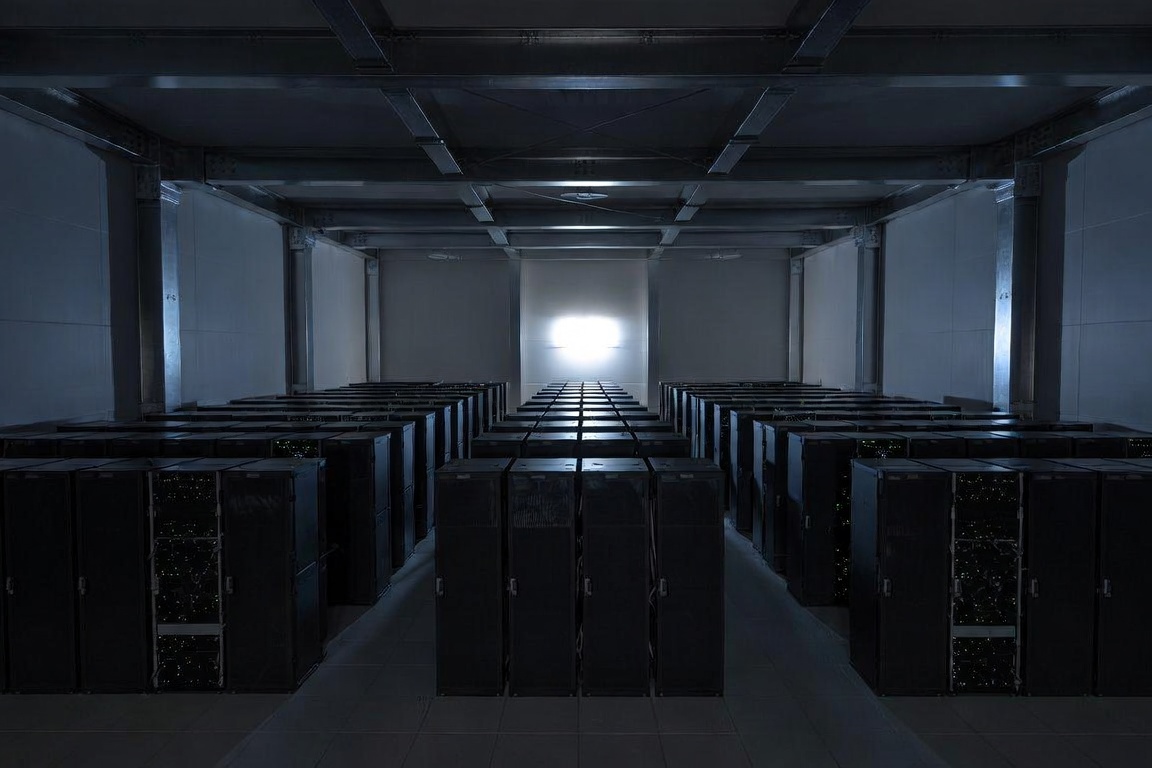
      The promise of artificial intelligence has triggered a once-in-a-generation surge in demand for computing power. Hyperscale data centers—those sprawling facilities that house the servers behind AI models, cloud platforms, and streaming services—have become the backbone of modern economic growth. Yet despite billions in planned investments for 2026, a startling number of these projects are now being delayed or outright canceled. Industry estimates suggest that roughly half of all proposed U.S. data center developments slated for completion in the near term are facing serious headwinds.

      At the core of the problem is energy—specifically, the lack of reliable, scalable, and affordable power. Data centers are energy-intensive by design. A single large facility can consume as much electricity as a mid-sized city. But instead of ensuring a stable energy supply to meet this demand, policymakers have leaned heavily into aggressive transitions away from traditional baseload power sources like natural gas, coal, and nuclear—without ensuring that renewable alternatives can reliably fill the gap.

      The result is predictable. Grid operators across key states are warning of capacity shortfalls. Utilities are increasingly hesitant to commit to new large-scale industrial customers without guarantees they simply cannot make. In regions like Northern Virginia, Texas, and parts of the Midwest—areas that have historically been data center hubs—projects are being paused because the power simply isn’t there.

      Compounding the issue is a regulatory environment that slows everything down. Permitting timelines for new energy infrastructure, including transmission lines and generation facilities, have stretched into years. Environmental reviews, zoning disputes, and overlapping federal and state regulations create a labyrinth that even well-capitalized developers struggle to navigate. Meanwhile, global competitors—particularly in Asia and the Middle East—are moving faster, building out energy capacity with fewer bureaucratic obstacles.

      Then there’s the supply chain. The explosion in AI demand has exposed critical bottlenecks in the production of key components, especially high-performance memory chips and power management systems. Advanced GPUs require specialized memory configurations that are already in short supply, and the sudden spike in demand has only made matters worse. At the same time, transformers, switchgear, and other electrical infrastructure components are facing multi-year lead times.

      These shortages are not happening in a vacuum. Trade policies, export controls, and geopolitical tensions have all played a role in constraining supply. Domestic manufacturing, while a long-term solution, is still years away from scaling to meet current demand. In the meantime, developers are left scrambling, often forced to delay projects because they simply cannot secure the hardware needed to bring facilities online.

      As if power and components weren’t enough, water has emerged as another flashpoint. Modern data centers rely heavily on water for cooling, and in drought-prone regions, this has triggered growing public backlash. Local communities, already wary of large industrial developments, are increasingly pushing back against projects they see as straining already limited resources.

      Here again, policy plays a central role. Instead of encouraging innovation in water-efficient cooling technologies or facilitating infrastructure upgrades, many jurisdictions are defaulting to restrictions and moratoriums. The result is yet another layer of uncertainty for developers, who must now factor in not just power availability, but also water access and regulatory risk.

      The broader economic implications are hard to ignore. Data centers are not just about tech companies—they underpin everything from financial services to healthcare to national security. When projects stall, it’s not just corporate timelines that slip; it’s the pace of innovation itself. Costs rise, capacity tightens, and the ripple effects are felt across the economy.

      Consumers may not immediately connect their higher cloud storage fees or slower AI rollout timelines to a substation delay in Ohio or a permitting dispute in Arizona, but the connection is real. When supply is constrained and demand continues to surge, prices inevitably follow.

      None of this was inevitable. A more balanced approach to energy policy—one that recognizes the ongoing need for reliable baseload power while gradually integrating renewables—could have mitigated many of these challenges. Streamlining permitting processes, incentivizing domestic production of critical components, and fostering collaboration between industry and local communities could have smoothed the path forward.

      Instead, what we’re seeing is a cautionary tale of how well-intentioned policies, when poorly executed, can produce outcomes that undermine their own goals. The push for a cleaner energy future is not inherently misguided, but when it comes at the expense of reliability and economic growth, it risks doing more harm than good.

      The United States still has the talent, capital, and technological leadership to dominate the AI era. But unless policymakers course-correct—prioritizing energy abundance, regulatory clarity, and supply chain resilience—that leadership will continue to slip, one delayed data center at a time.

      what happens after the ma

      Intel Manufacturing
      Share. Facebook Twitter Pinterest LinkedIn Tumblr Email
      Previous ArticleAmazon Workers Allege Retaliation After Opposing Data Center Expansion
      Next Article India’s Telegram Ban Sparks Global Debate Over Security and Digital Freedom

      Related Posts

      Binance $6.3B Crypto Heist: North Korean Hackers Used Fake Job Interview and AI to Breach Security

      November 5, 2026

      Australia’s Defense Dept Seeks AI Regulation Exemptions Amid National Security Concerns

      November 5, 2026

      Marvell’s $115 Billion Lumentum Acquisition Fuels AI Bubble Fears Amid Tech Stock Selloff

      November 5, 2026

      Anthropic Discloses Nearly $900 Billion in AI Spending Commitments Ahead of IPO

      November 5, 2026
      Add A Comment
      Leave A Reply Cancel Reply

      Editors Picks

      Pentagon Investigates Suspected Cyberattack on Military Base Freezers; Food Supplies Disrupted

      November 4, 2026

      AI Chip Shortage Reverses Apple’s Market Power as Memory Suppliers Demand Higher Prices

      November 4, 2026

      Paid Social Media Influencers Target California Voters in $350 Million Billionaire Tax Battle

      November 3, 2026

      Trump Declares Imported Robotics a National Security Threat, Opens Door to Tariffs

      November 3, 2026
      Popular Topics
      Space Tesla Samsung SpaceX Viral spotlight Series B Taiwan Tech Satellite Satya Nadella Startup Tesla Cybertruck Stocks Software Series A trending starlink UAE Tech Sundar Pichai Tim Cook
      Major Tech Companies
      • Apple News
      • Google News
      • Meta News
      • Microsoft News
      • Amazon News
      • Samsung News
      • Nvidia News
      • OpenAI News
      • Tesla News
      • AMD News
      • Anthropic News
      • Elbit News
      AI & Emerging Tech
      • AI Regulation News
      • AI Safety News
      • AI Adoption
      • Quantum Computing News
      • Robotics News
      Key People
      • Sam Altman News
      • Jensen Huang News
      • Elon Musk News
      • Mark Zuckerberg News
      • Sundar Pichai News
      • Tim Cook News
      • Satya Nadella News
      • Mustafa Suleyman News
      Global Tech & Policy
      • Israel Tech News
      • India Tech News
      • Taiwan Tech News
      • UAE Tech News
      Startups & Emerging Tech
      • Series A News
      • Series B News
      • Startup News
      Tallwire
      Facebook X (Twitter) LinkedIn Threads Instagram RSS
      • AI
      • Tech
      • Business/Finance
      • Cybersecurity
      • Government
      • Legal
      • Health
      • Science
      • Academia
      • Entertainment/Communications
      • People
      • Transportation
      • Opinion
      • Press Kit
      © 2026 Tallwire. Optimized by ARMOUR Digital Marketing Agency.

      Type above and press Enter to search. Press Esc to cancel.