

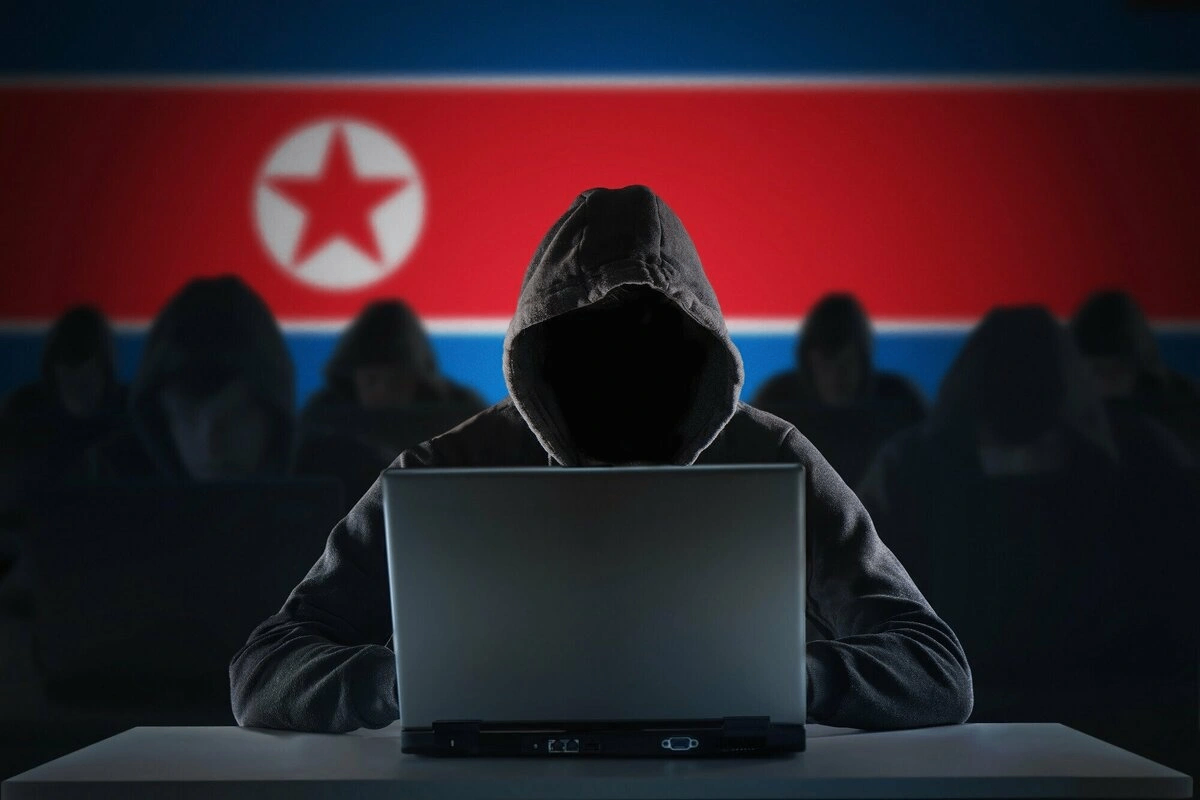
• North Korea rejected FBI allegations that its state-linked hackers stole $6.3 billion from Binance, calling the accusations politically motivated and an attempt to discredit Pyongyang.
• The FBI identified the North Korean hacking operation TraderTraitor as responsible for the attack, potentially the largest cryptocurrency theft in history, and warned that stolen assets were being laundered.
• Binance has moved to restore customer confidence and replenish stolen assets as U.S. authorities and international partners confront growing concerns about state-sponsored cryptocurrency theft.
North Korea has rejected U.S. accusations that its hackers stole $6.3 billion from Binance, the world’s largest cryptocurrency exchange. Kim Yo Jong, sister of North Korean leader Kim Jong Un, dismissed the allegations as motivated and accused Washington of exploiting cybercrime claims to undermine Pyongyang. The FBI attributed the October attack to TraderTraitor, a hacking operation linked to North Korea, and identified cryptocurrency addresses involved in moving stolen assets. Investigators urged digital asset businesses to prevent further laundering.
The breach, potentially the largest cryptocurrency theft ever recorded, rattled investors and prompted customer withdrawals. Binance said it had replaced most missing assets itself and was restoring withdrawal services. U.S. officials and cybersecurity specialists have previously connected North Korean operations to major financial attacks, including the 2025 Bybit theft. South Korea has pledged cooperation against illicit cyber activity, while questions over attribution persist publicly amid wider diplomatic tensions involving Washington and Pyongyang.
Why It Matters
The Binance theft highlights a security vulnerability that extends well beyond cryptocurrency traders. If investigators’ findings hold, a hostile government could convert weaknesses in digital infrastructure into billions of dollars in resources, undermining sanctions intended to restrain its weapons programs. Such attacks place burdens on law enforcement, financial institutions and consumers, even when exchanges promise to reimburse customers. Private guarantees cannot substitute for prevention, accounting and recovery efforts.
Washington faces a test: enforce laws, strengthen coordination with partners and press exchanges to meet security standards without reflexively expanding federal control over lawful cryptocurrency activity. The FBI’s published wallet information offers firms a concrete way to disrupt suspected money laundering. But accusations must remain grounded in verifiable evidence, especially when diplomatic consequences are substantial. Protecting investors and the integrity of financial markets requires both accountability for cybercriminals and restraint from policymakers who might use one extraordinary attack to justify sweeping regulation.
Sources
• Primary source: https://www.france24.com/en/asia-pacific/20261102-north-korea-rejects-us-allegations-over-6-billion-binance-crypto-heist
• FBI — North Korea Responsible for $6 Billion+ Binance Attack (Oct. 31, 2026): https://www.fbi.gov/investigate/cyber/alerts/2026/north-korea-responsible-for-6-billion-binance-attack
• Reuters — North Korea Rejects U.S. Allegation Over Binance Crypto Heist (Nov. 3, 2026): https://www.investing.com/news/economy-news/north-korea-rejects-us-allegation-overbinance-crypto-heist-4993595
• Associated Press — North Korea Denies Role in $6 Billion Binance Cryptocurrency Heist (Nov. 3, 2026): https://apnews.com/article/north-korea-binance-cryptocurrency-heist-01c9b80d938dd67c747e268c410f265d
• ABC News Australia — North Korea Dismisses Binance Heist Allegations as Absurd U.S. Rhetoric (Nov. 3, 2026): https://www.abc.net.au/news/2026-11-03/north-korea-denies-binance-heist-customers-withdraw-billions/107340330