

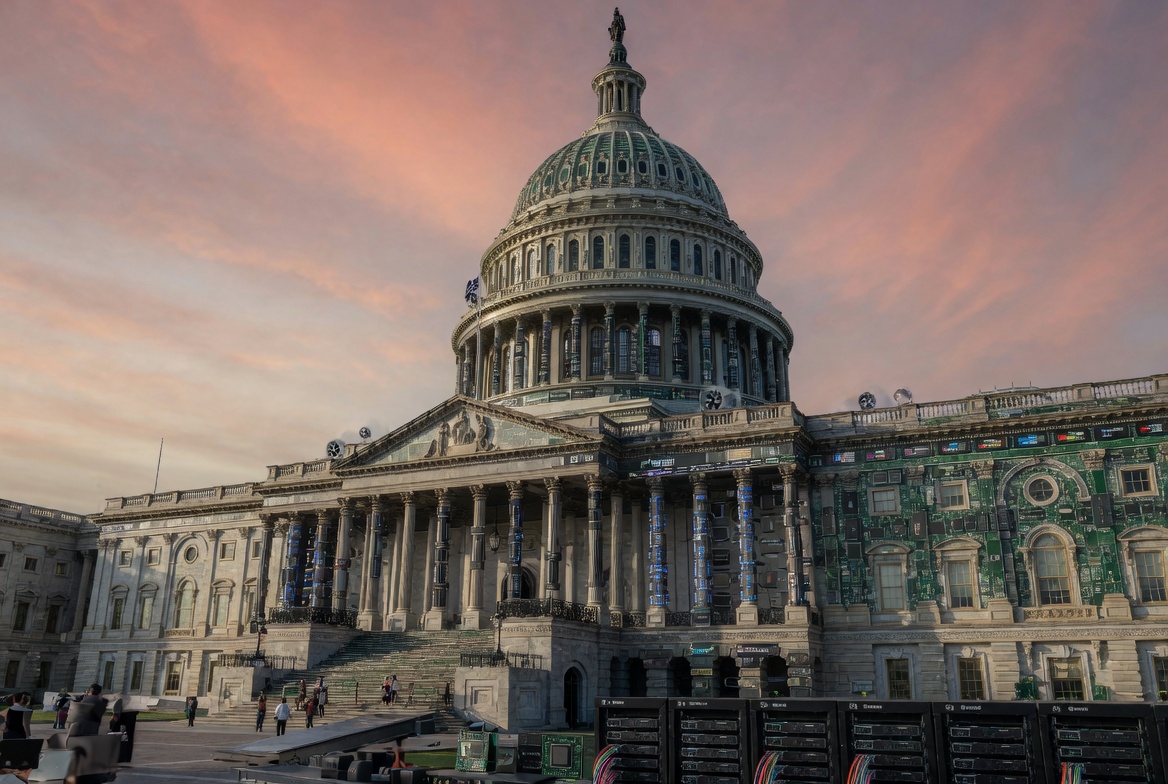
The U.S. House of Representatives has passed the bipartisan Kids Internet and Digital Safety (KIDS) Act by a 267-117 vote, advancing legislation designed to strengthen protections for minors using online platforms. The measure would require social media and other online services to provide safeguards intended to reduce addictive platform features, improve parental oversight, strengthen age-verification requirements for adult content, and implement policies aimed at protecting children from exploitation and other online harms. While the legislation represents a significant step toward greater accountability for technology companies, it now faces an uncertain future in the Senate, where lawmakers have indicated they prefer a stronger version that includes a broader “duty of care” requirement for social media platforms. The debate also reflects a broader philosophical divide over how aggressively Washington should regulate Big Tech while preserving free speech, state authority, and personal privacy. Supporters argue the bill finally begins holding powerful technology companies accountable for practices that have negatively affected millions of children, while opponents contend portions of the legislation could weaken existing state laws or create new privacy concerns.
Sources
- https://www.theepochtimes.com/us/house-passes-kids-internet-and-digital-safety-act-6055228
- https://www.reuters.com/world/us-house-passes-youth-online-safety-legislation-2026-06-29
- https://www.axios.com/2026/06/29/house-vote-senate-clash-kids-online-safety
Key Takeaways
- • Congress is moving closer than ever to establishing nationwide standards governing how technology companies protect minors from harmful online content and addictive platform design.
- • Although the House approved the KIDS Act with bipartisan support, significant disagreements remain with the Senate over liability standards, federal preemption of state laws, and the scope of platform responsibilities.
- • The legislation underscores growing bipartisan recognition that Big Tech has largely been permitted to regulate itself for too long, but lawmakers continue to disagree over how far federal regulation should extend.
In-Depth
The House’s approval of the Kids Internet and Digital Safety Act marks one of the most significant congressional efforts in years to confront the growing influence that social media and online platforms exert over America’s children. After decades of allowing technology companies to innovate with relatively little oversight, lawmakers from both parties now acknowledge that many platforms have deliberately incorporated features designed to maximize engagement, often at the expense of young users’ mental health and safety.
From a conservative perspective, protecting children has always been a core responsibility of government, particularly when massive corporations possess resources and market power that individual parents simply cannot match. The legislation seeks to restore some balance by requiring online platforms to provide stronger parental controls, reduce addictive design elements, and implement safeguards against exploitation. These are commonsense expectations for companies that profit enormously from children’s attention.
Still, legitimate concerns remain. Some senators, state attorneys general, and civil liberties organizations argue that the House version may weaken certain state-level protections or fail to hold technology companies sufficiently accountable. Others warn that any federal framework regulating online speech or requiring expanded age verification must be carefully crafted to avoid unintended consequences involving privacy or the First Amendment.
The Senate will ultimately determine whether Congress can produce legislation that both protects children and respects constitutional freedoms. Whatever form the final bill takes, the House vote signals that the era of virtually unchecked self-regulation by Big Tech is coming to an end, with increasing bipartisan agreement that America’s children deserve stronger protections in the digital age.