

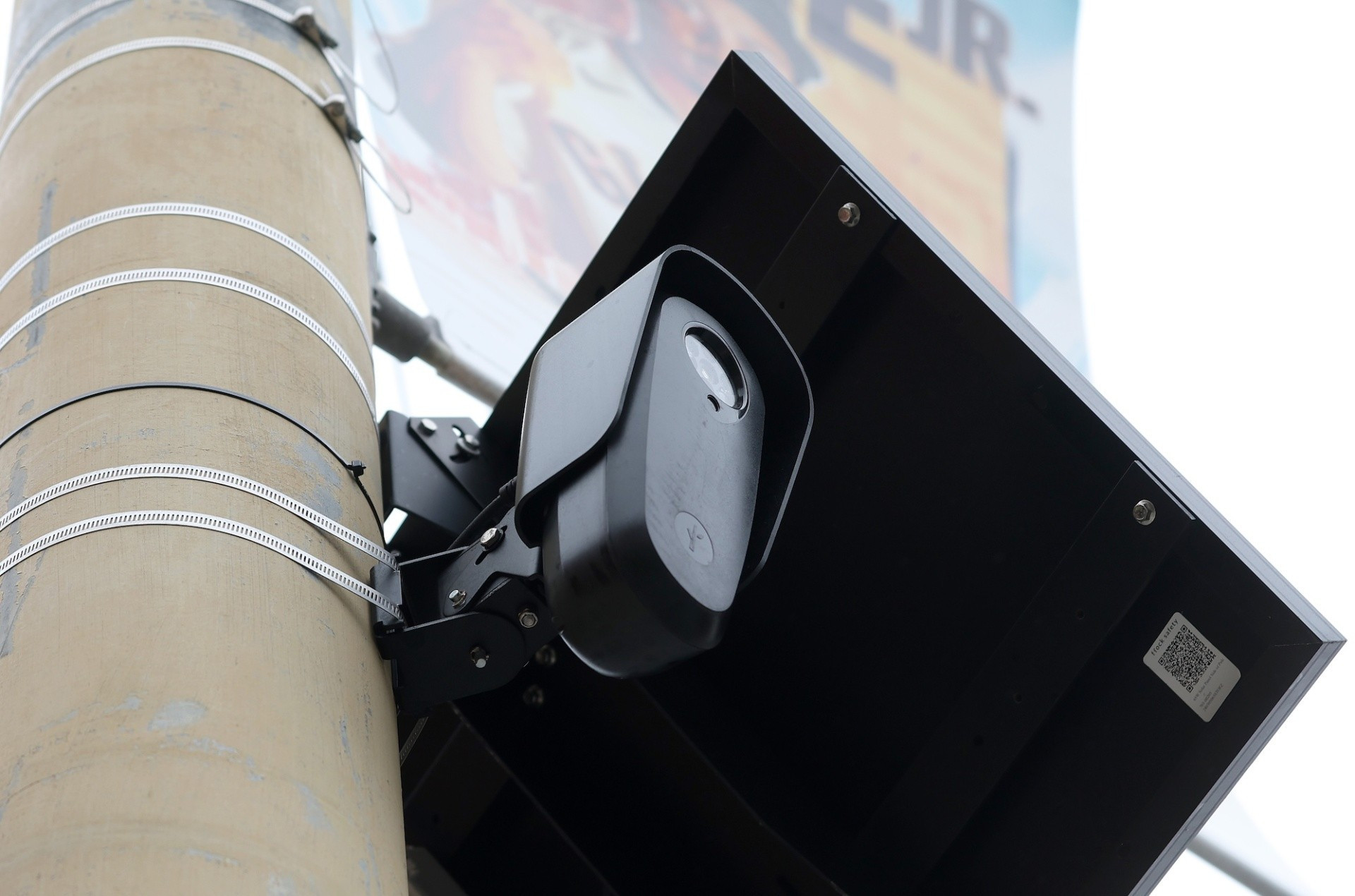
Flock Safety has announced a series of policy changes to its nationwide automated license plate reader network after mounting criticism from citizens, civil liberties organizations, and a growing number of local governments concerned about privacy, government overreach, and law enforcement misuse. The company says the reforms are intended to increase accountability by reducing default data retention periods, requiring officers to associate database searches with legitimate case numbers, and deploying automated auditing tools to identify suspicious search activity. While supporters argue the technology has helped solve crimes and locate missing persons, critics maintain the changes fall short because they leave oversight largely in the hands of law enforcement rather than independent judicial authorities. The controversy has prompted dozens of jurisdictions to reconsider or terminate contracts with the company while fueling a broader national debate over balancing public safety with constitutional protections.
Key Takeaways
- • Flock Safety is shortening default license plate data retention from 30 days to seven days while requiring stronger auditing and case-based justification for law enforcement searches.
- • Public opposition has intensified nationwide, leading numerous cities and municipalities to suspend, review, or end their participation in Flock’s surveillance network over privacy and civil liberties concerns.
- • The debate has evolved beyond one company’s policies into a broader discussion over whether expanding surveillance technologies should be governed primarily by local governments, courts, legislatures, or private companies.
In-Depth
Flock Safety’s decision to revise its operating policies reflects the growing political and public resistance to rapidly expanding surveillance technologies. Over the past several years, automated license plate readers have spread across thousands of communities, providing law enforcement with powerful investigative tools capable of tracking vehicle movements across jurisdictions. Supporters contend these systems have helped recover stolen vehicles, locate missing persons, and identify suspects in violent crimes, making them valuable force multipliers for increasingly resource-constrained police departments.
At the same time, critics argue that widespread deployment has outpaced meaningful public oversight. Reports of officers conducting unauthorized searches, concerns over long-term storage of travel data, and questions regarding potential use for immigration enforcement have heightened skepticism among many communities. In response, Flock now plans to mandate automated auditing systems, require documented investigative justifications for searches, and significantly reduce default data retention periods.
Whether these measures restore public confidence remains uncertain. Civil liberties advocates continue to argue that internal safeguards are insufficient without independent judicial oversight and clearer statutory limits on surveillance. Meanwhile, an increasing number of municipalities have delayed installations, paused deployments, or ended contracts altogether as elected officials respond to constituent concerns. The controversy illustrates a larger challenge facing emerging surveillance technologies: maintaining public safety while preserving constitutional protections and public trust. How policymakers ultimately strike that balance is likely to influence the future deployment of similar technologies across the United States.
Sources
- https://www.theepochtimes.com/us/flock-announces-platform-changes-after-public-backlash-to-its-camera-network-6074816
- https://apnews.com/article/2a93bc075e2f7ffcca9e04a35d75a3fe
- https://www.wsj.com/tech/flock-to-add-safeguards-to-ai-surveillance-tools-after-backlash-910eabee
- https://www.theverge.com/policy/979339/flock-ceo-audits-data-retention
- https://techcrunch.com/2026/07/13/lapd-lets-contract-with-surveillance-giant-flock-expire-citing-serious-concerns-over-civil-liberties-and-privacy/