

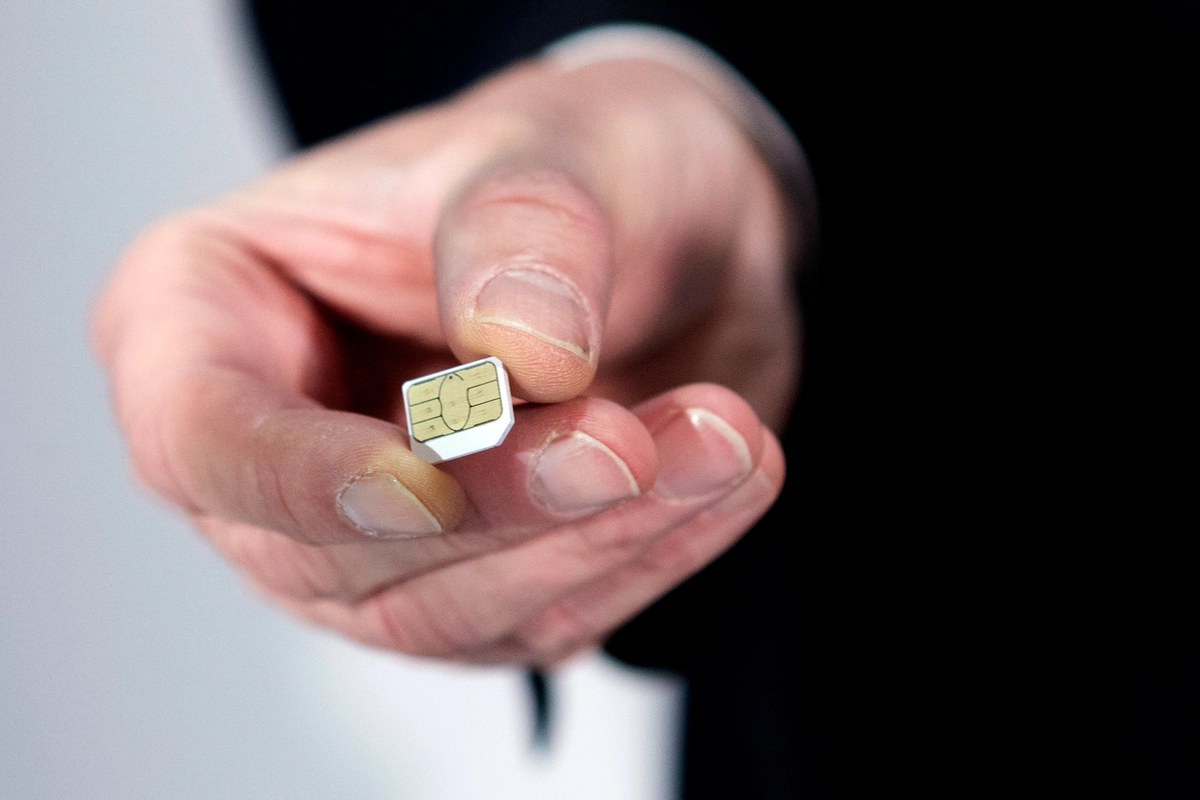
Federal authorities have announced the successful completion of Operation Signal Break, a nationwide enforcement campaign aimed at dismantling illegal “SIM farms” used by transnational criminal organizations to facilitate phishing attacks, scam calls, fraudulent text messaging campaigns, and other telecommunications crimes. Conducted between June 22 and July 10, the operation deployed specialized Homeland Security Investigations teams to California, Florida, Texas, Massachusetts, New York, and New Jersey, where investigators seized critical communications infrastructure and digital evidence. According to federal officials, the operation is part of a broader effort that has, since 2024, resulted in the seizure of more than 1,900 SIM boxes and over 500,000 SIM cards while disrupting dozens of criminal operations across multiple states. Authorities say the investigation will continue as forensic analysts trace financial proceeds allegedly connected to Chinese transnational criminal organizations, identify victims, pursue additional indictments, and seize criminal assets. The crackdown highlights growing concern over foreign-linked criminal networks exploiting America’s telecommunications infrastructure for financial fraud and other potentially more dangerous activities.
Sources
- https://www.theepochtimes.com/us/ice-dismantles-sim-farms-in-nationwide-operation-6068190
- https://www.ice.gov/news/releases/ice-hsi-dismantles-sim-farms-nationwide-cyber-fraud-crackdown
- https://www.kbtx.com/2026/07/25/texas-among-states-federal-sim-farm-raids-tied-text-scams
Key Takeaways
- Federal investigators dismantled numerous SIM farm operations used to disguise the origins of fraudulent text messages and telephone calls targeting Americans.
- Investigators believe illicit proceeds and operational links point toward Chinese transnational criminal organizations, with additional financial tracing and criminal prosecutions expected.
- The operation demonstrates an increasingly aggressive federal effort to protect U.S. telecommunications infrastructure from foreign-backed fraud networks and organized cybercrime.
In-Depth
Operation Signal Break underscores a growing recognition that America’s telecommunications infrastructure has become another battlefield where organized foreign criminal enterprises seek to exploit technological loopholes for enormous financial gain. SIM farms, while originally developed for legitimate communications routing, have evolved into powerful tools that allow criminals to mask the origin of phishing texts, robocalls, and fraudulent online account activity. By routing communications through thousands of legitimate SIM cards, these operations make it significantly more difficult for investigators and carriers to identify malicious traffic before Americans become victims.
Federal officials deserve credit for moving beyond simply reacting to individual fraud complaints and instead targeting the infrastructure that enables these criminal enterprises to operate at scale. Removing SIM boxes, seizing hundreds of thousands of SIM cards, and conducting forensic analysis of seized data offers investigators an opportunity not only to identify victims but also to map broader criminal networks and follow financial trails that extend beyond U.S. borders. If authorities successfully translate those investigations into asset forfeitures, sanctions, and criminal prosecutions, the operation could have a deterrent effect well beyond the immediate seizures.
The reported ties to Chinese transnational criminal organizations also reinforce broader concerns about foreign actors exploiting weaknesses in American digital infrastructure. Whether motivated by financial gain alone or used as platforms for more sophisticated criminal or intelligence activities, these networks represent vulnerabilities that demand sustained attention. Maintaining secure communications systems is not merely a law enforcement issue but a matter of national security, requiring continued coordination among federal agencies, telecommunications providers, and international partners to prevent increasingly sophisticated criminal organizations from weaponizing modern communications technology.