

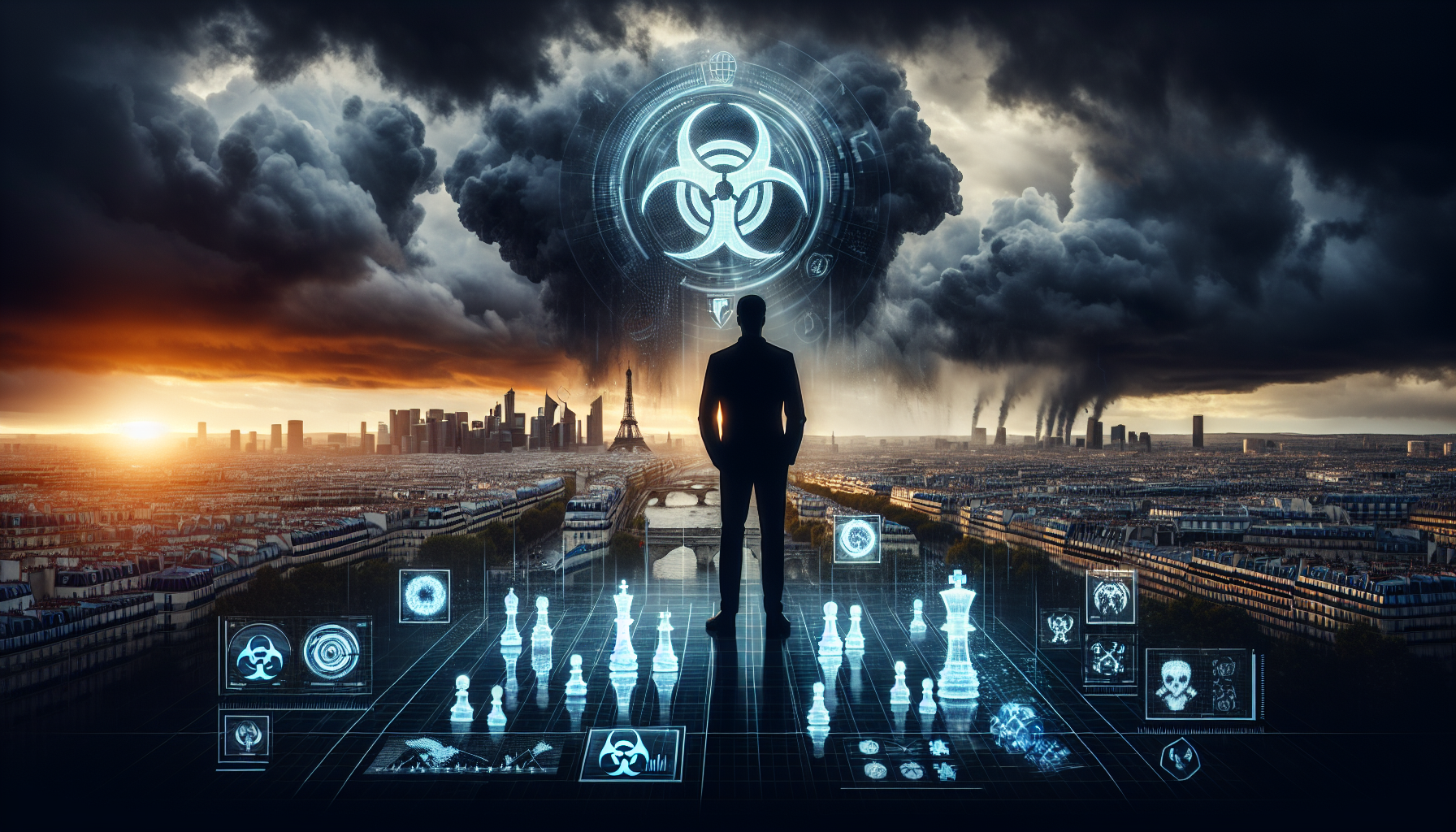
The rise of artificial intelligence has opened doors to extraordinary innovation, but it has also created a dangerous new frontier—one that terrorist organizations are beginning to exploit with unsettling speed. What was once the domain of sophisticated state actors is now increasingly accessible to decentralized, ideologically driven groups. The question is no longer whether terrorists will use AI, but how effectively they will weaponize it—and whether governments can adapt quickly enough to stop them.
At its core, AI is a force multiplier. It lowers barriers to entry, automates complex tasks, and amplifies the reach of those who wield it. For terrorist groups, this means they no longer need vast resources to achieve outsized impact. Propaganda, recruitment, operational planning, and even cyberattacks can now be conducted with unprecedented efficiency.
One of the most immediate threats lies in AI-driven propaganda. Extremist groups have long relied on media to spread their ideology, but AI allows them to produce highly sophisticated content at scale. Deepfake videos, synthetic voices, and AI-generated imagery can be used to fabricate events, impersonate leaders, or inflame tensions. The result is a potent mix of disinformation and psychological warfare that can destabilize societies from within. When truth itself becomes malleable, the battlefield shifts from physical terrain to the minds of citizens.
Recruitment is another area where AI offers terrorists a powerful advantage. Algorithms can analyze vast amounts of data from social media and online behavior to identify individuals who may be vulnerable to radicalization. Instead of casting a wide net, groups can now target specific individuals with tailored messaging designed to exploit personal grievances or ideological leanings. This level of precision was once reserved for advanced intelligence agencies; today, it is increasingly within reach of non-state actors.
Operationally, AI can assist in planning and executing attacks. Open-source AI tools can be used to simulate scenarios, optimize logistics, and analyze potential targets. While these systems are not perfect, they reduce the need for expertise and allow less experienced operatives to carry out more sophisticated operations. In the cyber domain, AI can automate hacking attempts, identify vulnerabilities, and adapt in real time to defensive measures. This creates a dynamic threat environment where attackers can evolve faster than traditional security systems can respond.
Perhaps most concerning is the potential for AI to intersect with other emerging technologies. Autonomous drones, for example, can be paired with AI for navigation and targeting, enabling low-cost, high-impact attacks. Similarly, AI-assisted research tools could theoretically be misused to accelerate the development of harmful substances or methods. While such scenarios may still be on the fringe, the trajectory is clear: the convergence of technologies is expanding the toolkit available to those with malicious intent.
Given these realities, the question becomes how governments can effectively counter this evolving threat. The answer lies not in a single solution, but in a layered, strategic approach that balances security with the preservation of civil liberties.
First, governments must prioritize intelligence and information sharing. AI-driven threats are inherently transnational, and no single country can address them in isolation. Enhanced cooperation between intelligence agencies, law enforcement, and private-sector technology companies is essential. This includes sharing data on emerging threats, coordinating responses, and developing مشتر tools to detect and counter malicious AI use.
Second, there must be a concerted effort to regulate the development and deployment of high-risk AI technologies. This does not mean stifling innovation, but rather establishing clear guardrails. Developers of powerful AI systems should be required to implement safeguards that prevent misuse, such as usage monitoring, access controls, and robust auditing mechanisms. Governments should also consider export controls on certain AI capabilities, particularly those with clear dual-use potential.
Third, investment in defensive technologies is critical. Just as AI can be used to attack, it can also be used to defend. Advanced detection systems can identify deepfakes, monitor online spaces for signs of radicalization, and flag suspicious activity before it escalates. Cybersecurity tools powered by AI can adapt to evolving threats and provide a more resilient defense against automated attacks.
Fourth, public resilience must not be overlooked. An informed and vigilant citizenry is one of the strongest defenses against disinformation and radicalization. Governments and institutions should invest in media literacy programs that help individuals recognize manipulated content and understand how AI can be used to deceive. Transparency from authorities, combined with consistent and credible communication, can also reduce the effectiveness of terrorist propaganda.
Finally, there must be a willingness to act decisively when threats are identified. This includes disrupting networks, prosecuting those who misuse technology for violent ends, and, when necessary, taking proactive measures to prevent attacks. While such actions must be carefully balanced against civil liberties, the cost of inaction in the face of evolving threats is simply too high.
The integration of AI into the tactics of terrorist organizations represents a profound shift in the nature of modern conflict. It challenges traditional notions of security and demands a response that is both innovative and grounded in principle. Governments that recognize this shift and act with clarity and resolve will be better positioned to protect their citizens. Those that fail to adapt risk being outpaced by adversaries who are all too willing to exploit the tools of the future for destructive ends.
In the end, the fight against AI-enabled terrorism is not just about technology; it is about maintaining the integrity of free societies in an age of rapid change. The stakes could not be higher, and the time to act is now.