

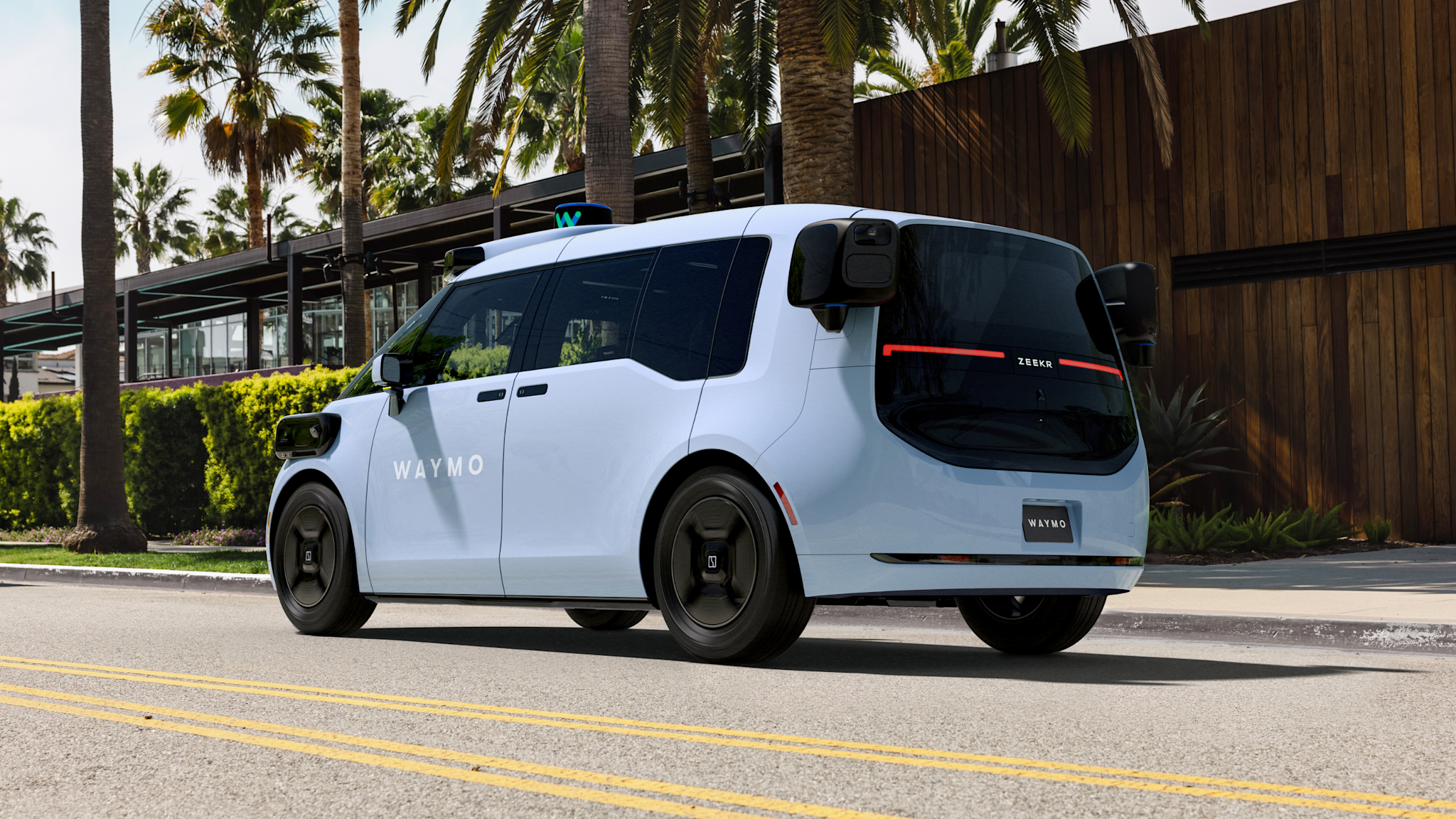
Waymo’s rapid expansion across the United States is exposing a fundamental reality of autonomous driving: as fleets grow, so does the number of rare and unpredictable “edge cases” that challenge artificial intelligence systems. While the company continues adding cities, vehicles, and millions of autonomous miles, unusual events—from unexpected roadway hazards and emergency situations to novel driver and pedestrian behavior—are occurring more frequently simply because the fleet is operating at a much larger scale. Engineers increasingly rely on these incidents to refine software and improve future performance, but each new operating environment introduces additional variables that require testing and adaptation. The continued expansion demonstrates both the technological progress of autonomous vehicles and the ongoing engineering challenges that remain before widespread nationwide deployment becomes routine.
Key Takeaways
- Autonomous vehicle fleets inevitably encounter more rare driving scenarios as they expand into additional cities and accumulate more driving miles, requiring continuous software refinement.
- Waymo continues to broaden its operational footprint despite these challenges, indicating confidence that identifying and resolving edge cases is an expected part of scaling autonomous transportation.
- The broader debate over autonomous vehicles increasingly centers less on routine driving and more on how safely AI systems respond to highly unusual, unpredictable situations that human drivers also find difficult to navigate.
In-Depth
The expansion of autonomous driving has reached a stage where success is measured less by whether vehicles can handle ordinary traffic and more by how effectively they respond to the extraordinary. As Waymo extends service into additional metropolitan areas, engineers are discovering that every new city introduces distinct road designs, weather patterns, construction practices, emergency responses, and human driving behaviors. What may appear to be an isolated anomaly becomes a recurring engineering challenge when a fleet operates millions of miles each week.
From a conservative perspective, this reality reinforces an important principle: technological advancement should be welcomed, but it must remain grounded in rigorous testing and accountability. Public confidence will depend not on marketing claims but on transparent performance, demonstrated safety, and a willingness to correct shortcomings before broader deployment. Expanding too aggressively without adequately addressing newly discovered failure modes risks undermining public trust in an otherwise promising technology.
At the same time, the increasing frequency of edge cases does not necessarily indicate declining performance. Rather, larger fleets naturally encounter a greater number of statistically rare events. Each incident provides developers with new data that can improve future software updates and operational procedures. The challenge for regulators, manufacturers, and consumers alike is determining when the technology has matured sufficiently to justify continued expansion while maintaining safety as the overriding priority. Autonomous vehicles are steadily progressing, but their ultimate success will depend on proving they can consistently manage not only everyday driving, but also the unpredictable situations that define real-world transportation.