

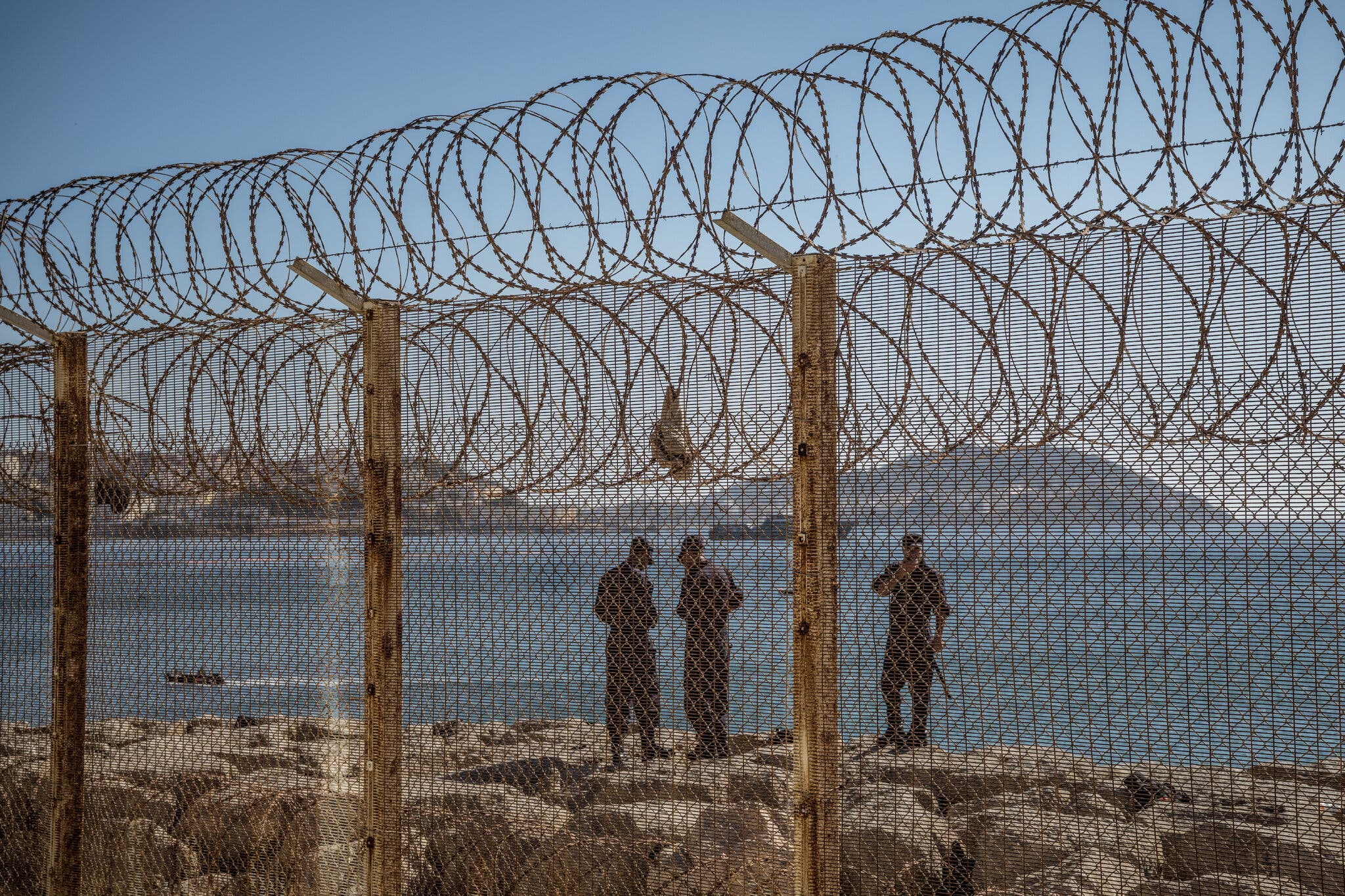
Spanish and Moroccan authorities are confronting the growing influence of social media in driving irregular migration to the Spanish enclave of Ceuta, where online videos, messaging groups, and rumors have encouraged thousands of people to attempt dangerous border crossings. Officials from both countries say misleading claims about open borders and simplified access to Europe have spread rapidly across digital platforms, prompting authorities to increase security, arrest individuals accused of encouraging illegal crossings, and launch public information campaigns to counter misinformation. The crisis has also heightened diplomatic tensions between Spain and Morocco while renewing debate over migration policy, border security, and the role technology platforms play in amplifying viral narratives during rapidly developing events.
Key Takeaways
- Social media platforms have become a major force in organizing and encouraging attempted crossings into Ceuta by spreading videos, instructions, and false claims about border conditions.
- Spain and Morocco have responded with expanded border security, arrests targeting alleged online organizers, and public messaging intended to discourage further attempts.
- The situation has evolved beyond a migration challenge into a broader political issue involving Spanish-Moroccan relations, European migration policy, and concerns about how digital misinformation can rapidly influence real-world events.
In-Depth
The migration emergency surrounding Spain’s North African enclave of Ceuta illustrates how digital communication can rapidly influence events on the ground. According to officials, videos circulating through social media and messaging applications promoted the idea that reaching Ceuta offered an accessible pathway into Europe, while false or misleading information about border conditions encouraged additional crossings. Authorities contend that these online campaigns substantially increased participation in already dangerous migration attempts.
In response, Morocco significantly reinforced security along its border with Ceuta and neighboring Melilla, deploying additional personnel and equipment while pursuing individuals accused of encouraging illegal crossings online. Spain likewise emphasized that its border remains closed and sought to counter inaccurate claims circulating across digital platforms. Both governments have framed misinformation as an important factor contributing to the crisis.
The events have also produced broader diplomatic consequences. Morocco has renewed discussion of its longstanding claims over Ceuta and Melilla, while Spain has reaffirmed that the territories are an integral part of the Spanish state and are not subject to sovereignty negotiations. At the same time, European policymakers continue to debate how migration management, humanitarian responsibilities, border enforcement, and the influence of social media should be balanced during rapidly evolving crises. Together, these developments demonstrate that migration pressures are increasingly shaped not only by economic and political conditions but also by the unprecedented speed with which online information—and misinformation—can spread across borders.
Sources
- https://www.nytimes.com/2026/08/11/technology/social-media-ceuta-spain-morocco.html
- https://apnews.com/article/cc19f6270dfe276aecd1b1fb559fcb5e
- https://www.reuters.com/world/africa/spain-rejects-discussing-sovereignty-enclaves-with-morocco-2026-08-12
- https://www.latimes.com/world-nation/story/2026-07-29/hundreds-of-migrants-swim-from-morocco-to-spains-ceuta