

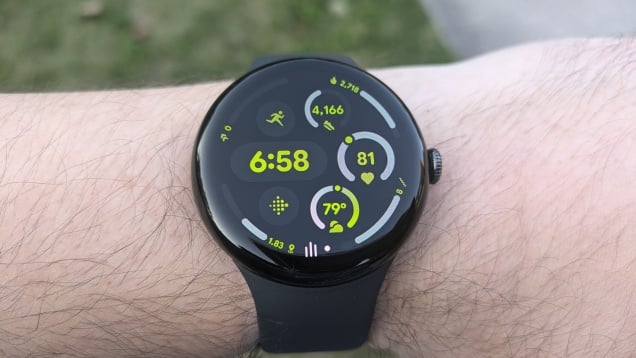
Google has introduced what it describes as a first-of-its-kind wearable capability that estimates insulin resistance trends using AI and data collected from compatible Pixel Watch and Fitbit devices, representing a significant expansion of consumer health monitoring. Rather than replacing traditional blood testing or diagnosing diabetes, the feature is designed to identify long-term metabolic patterns that may indicate increasing insulin resistance, a major risk factor for Type 2 diabetes. The technology builds upon Google’s WEAR-ME research program and employs machine learning models trained using wearable sensor data alongside validated clinical biomarkers. The company intends for the feature to encourage earlier medical consultation and lifestyle intervention rather than provide definitive medical conclusions. Experts generally view the technology as a potentially valuable screening tool, while emphasizing that physician evaluation and laboratory testing remain the standard for diagnosis and treatment decisions.
Key Takeaways
- Google is expanding consumer wearables beyond traditional fitness tracking by introducing AI-driven insulin resistance trend monitoring intended to identify long-term metabolic risk before diabetes develops.
- The technology estimates metabolic health using wearable sensor data and artificial intelligence rather than invasive blood sampling, making ongoing monitoring more accessible while stopping short of serving as a diagnostic device.
- Medical professionals are likely to view the feature as an early-warning aid rather than a substitute for physician care, reinforcing the importance of confirmatory laboratory testing and clinical evaluation.
In-Depth
Google’s latest wearable health initiative represents another step toward shifting consumer electronics from simple fitness accessories into preventive healthcare tools. By estimating insulin resistance trends through artificial intelligence and passive sensor data, the company is attempting to identify metabolic changes that often precede Type 2 diabetes by years. If the technology performs as intended in everyday use, it could encourage millions of users to seek medical evaluation before irreversible complications develop.
The announcement is noteworthy because insulin resistance has traditionally required laboratory testing or specialized clinical evaluation. Google’s approach instead analyzes long-term patterns in physiological signals gathered by wearable devices, producing periodic trend reports rather than real-time glucose measurements. That distinction is important. The watches are not replacing continuous glucose monitors, nor are they diagnosing diabetes. Instead, they serve as screening tools designed to encourage preventive action when risk indicators increase.
From a broader perspective, the technology reflects a growing movement toward earlier disease detection through artificial intelligence. Conservative observers may welcome innovations that empower individuals to take greater responsibility for their health while recognizing that consumer technology should complement—not replace—the physician-patient relationship. The ultimate success of Google’s approach will depend not only on algorithmic accuracy but also on whether users respond appropriately by improving lifestyle habits and consulting healthcare professionals when warranted.
Sources
- https://www.latimes.com/business/story/2026-08-13/googles-wearables-will-track-insulin-resistance-in-category-first
- https://research.google/blog/insulin-resistance-prediction-from-wearables-and-routine-blood-biomarkers
- https://www.nature.com/articles/s41586-026-10179-2
- https://blog.google/innovation-and-ai/technology/health/google-check-up-health-ai-updates-2026