

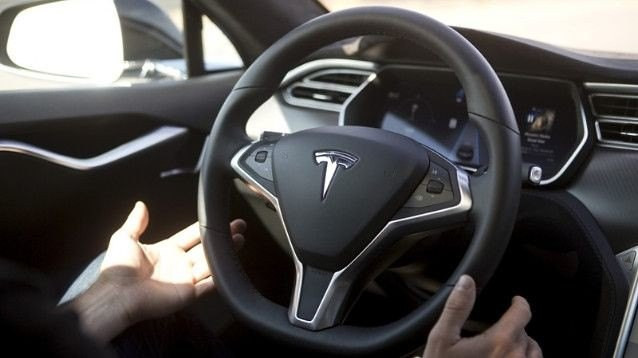
Tesla‘s latest generation of Full Self-Driving (Supervised) technology is changing how many owners interact with their vehicles, with some drivers now allowing the system to perform the overwhelming majority of driving tasks on city streets and highways. The report highlights growing consumer confidence among Tesla owners who believe the software has matured significantly, while also underscoring continuing concerns from researchers, regulators, and safety advocates that the technology remains a Level 2 driver-assistance system requiring constant human supervision. The contrast between enthusiastic adoption and persistent regulatory scrutiny illustrates the widening gap between consumer behavior and official safety expectations as autonomous driving technology continues its rapid evolution.
Key Takeaways
- Tesla owners are relying on Full Self-Driving (Supervised) far more extensively than in previous years, with some reporting the system performs the vast majority of their driving while they primarily monitor the roadway.
- Regulators continue to emphasize that Tesla’s system remains a Level 2 driver-assistance technology, meaning drivers retain full legal responsibility despite increasingly capable automation.
- Tesla’s strategy of deploying camera-based automation across a large customer fleet stands in contrast to competitors that rely on more expensive sensor suites and tightly controlled operating areas, reflecting two distinctly different paths toward autonomous transportation.
In-Depth
Tesla’s expanding deployment of Full Self-Driving (Supervised) technology reflects one of the most consequential shifts occurring in personal transportation. Owners increasingly describe the software as capable of navigating dense urban streets, highways, lane changes, parking maneuvers, and other routine driving situations with minimal physical input from the driver. That growing confidence is encouraging many users to allow the system to handle nearly every aspect of a trip while they remain behind the wheel to supervise.
The growing comfort level among drivers, however, has not eliminated concerns surrounding safety and public policy. Federal and state regulators continue to stress that Tesla’s technology does not constitute fully autonomous driving and still requires an attentive human operator prepared to intervene immediately. Critics argue that increased driver confidence can foster complacency, while supporters contend that continued software improvements and the enormous volume of real-world driving data are accelerating development faster than traditional approaches.
Tesla’s approach also differs fundamentally from competitors operating dedicated robotaxi services. Rather than relying on costly combinations of lidar, radar, and high-definition mapping within restricted operating zones, Tesla is pursuing a camera-centered system intended to scale across millions of customer vehicles. Whether that strategy ultimately proves superior remains uncertain, but the technology’s growing adoption demonstrates that many consumers already view advanced driver assistance as a practical everyday tool. The debate now extends beyond engineering to questions of regulation, public acceptance, liability, and the pace at which increasingly automated vehicles should become part of normal traffic.
Sources