

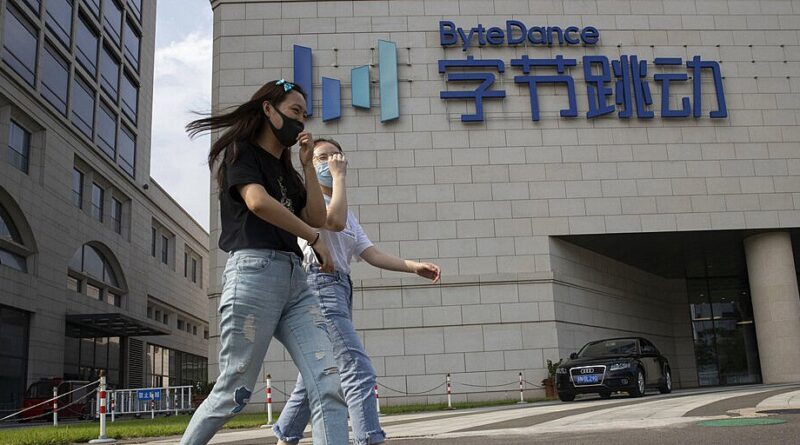
The Motion Picture Association and ByteDance have reached an agreement establishing new copyright safeguards for ByteDance’s AI-powered Seedance video and Seedream image-generation platforms, marking a notable shift from confrontation to cooperation after months of legal pressure from Hollywood. The agreement follows a February cease-and-desist campaign in which major studios and the MPA accused ByteDance of training its AI models on copyrighted material and allowing users to generate infringing content with insufficient protections. While the precise technical measures were not publicly disclosed, the accord reflects the entertainment industry’s determination to force AI developers to implement meaningful guardrails before deploying powerful generative tools. It also illustrates a broader trend in which AI companies increasingly recognize that long-term commercial success will require stronger intellectual property protections rather than relying on legal ambiguity surrounding copyrighted training data and generated outputs.
Key Takeaways
- • The agreement demonstrates that sustained legal and economic pressure from copyright holders can compel AI developers to strengthen safeguards protecting creative works without immediately resorting to prolonged litigation.
- • Hollywood continues to embrace artificial intelligence as a production tool while insisting that AI deployment occur within established copyright law and with protections for creators, performers, and studios.
- • The ByteDance settlement may become a template for future negotiations between AI companies and other copyright-intensive industries, encouraging negotiated compliance over courtroom battles.
In-Depth
The agreement between the Motion Picture Association and ByteDance represents one of the most significant developments yet in the ongoing struggle between artificial intelligence developers and America’s creative industries. Rather than letting the dispute drag on for years of expensive litigation, both sides reached a negotiated framework to strengthen copyright protections for ByteDance’s rapidly advancing AI image and video generation platforms.
Only months earlier, the relationship was far more confrontational. Hollywood studios accused ByteDance of building AI systems trained on copyrighted material without authorization, while also enabling users to generate content featuring recognizable characters, actors, and cinematic properties. The Motion Picture Association argued that meaningful safeguards had been absent and demanded immediate corrective action. Those complaints reflected growing concern throughout the entertainment industry that unchecked generative AI could undermine decades of investment in intellectual property.
For conservatives and advocates of strong property rights, the outcome reinforces a longstanding principle: innovation should not come at the expense of lawful ownership. Artificial intelligence offers remarkable opportunities to improve creativity and productivity, but those benefits are difficult to defend if they rely on the unauthorized use of another party’s work. The agreement suggests that technological advancement and intellectual property protection need not be mutually exclusive.
The broader implications extend well beyond Hollywood. Publishers, musicians, software developers, and other content creators are watching closely as similar disputes emerge across multiple industries. If effective guardrails can reduce infringement while preserving legitimate AI innovation, negotiated solutions like this one may provide a more practical path forward than years of uncertain court rulings.
Sources
- https://www.latimes.com/entertainment-arts/business/story/2026-08-17/motion-picture-association-reaches-agreement-with-bytedance-over-ai-guardrails
- https://www.reuters.com/legal/litigation/bytedance-signs-ai-copyright-pact-with-hollywood-trade-group-2026-08-17
- https://www.motionpictures.org/advocacy/fostering-responsible-innovation