

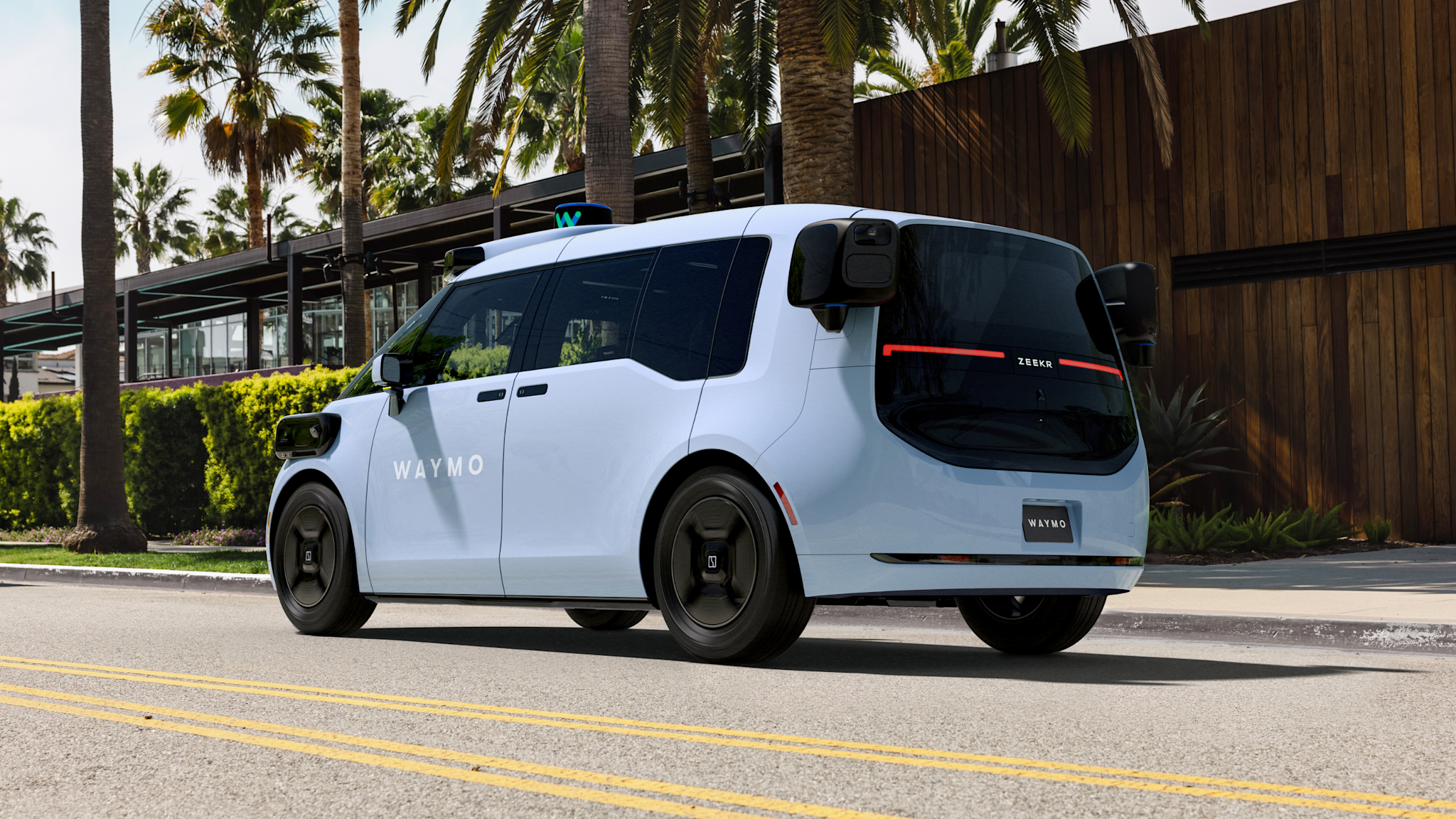
Waymo has officially launched its next-generation Ojai robotaxi for public passenger service throughout San Francisco, marking another significant milestone in the company’s effort to expand autonomous transportation. The new electric minivan replaces the company’s aging Jaguar fleet with a more spacious, accessibility-focused design featuring flat floors, larger cargo capacity, higher-resolution sensors, and the sixth-generation Waymo Driver autonomous system capable of handling more challenging weather and road conditions. The rollout comes as California regulators approve broader geographic expansion for Waymo’s service area while competition intensifies from rival autonomous vehicle companies preparing to deploy their own driverless fleets.
Key Takeaways
- Waymo’s new Ojai robotaxi is now carrying paying passengers in San Francisco, offering improved accessibility, greater interior space, and upgraded autonomous driving technology.
- The sixth-generation Waymo Driver uses fewer but more capable cameras and lidar sensors, enabling improved perception and operation in more difficult environments, including adverse weather and mountain roads.
- The launch coincides with regulatory approval for expanded California operations and growing competition from other autonomous vehicle developers seeking to establish their own commercial robotaxi networks.
In-Depth
Waymo’s decision to place the Ojai into full passenger service represents more than a simple fleet upgrade. It signals the company’s confidence that autonomous transportation is moving beyond limited pilot programs into broader commercial deployment. Purpose-built for ride-hailing rather than adapted from an existing consumer vehicle, the Ojai emphasizes passenger comfort, accessibility, and operational efficiency while incorporating Waymo’s latest autonomous driving technology.
Among the most notable improvements is the vehicle’s interior design. Flat floors, wide elevator-style doors, generous legroom, and expanded cargo space make the Ojai better suited for families, travelers, and riders with mobility challenges. Waymo has also reduced the overall number of cameras and lidar units compared with its previous Jaguar fleet, relying instead on higher-resolution sensors that provide improved environmental awareness while simplifying vehicle production and maintenance.
The rollout also reflects the rapidly evolving competitive landscape surrounding autonomous transportation. While Waymo has established a substantial lead in commercial robotaxi operations, competitors are accelerating their own deployments throughout California. At the same time, California regulators continue authorizing broader operating territories, allowing autonomous services to expand beyond dense urban centers into increasingly diverse driving environments. That combination of technological maturation, regulatory acceptance, and marketplace competition suggests autonomous ride-hailing is transitioning from a novelty into a growing segment of everyday transportation. Success, however, will continue to depend on demonstrating consistent safety, reliability, and public trust as these services expand into more cities and increasingly complex driving conditions.
Sources
- https://www.sfchronicle.com/sf/article/waymo-launching-ojai-passenger-service-22395055.php
- https://waymo.com/blog/2026/05/welcoming-riders-in-the-ojai/
- https://support.google.com/waymo/answer/17144766?hl=en
- https://www.latimes.com/business/story/2026-07-09/waymo-is-expanding-robotaxi-service-to-san-diego