

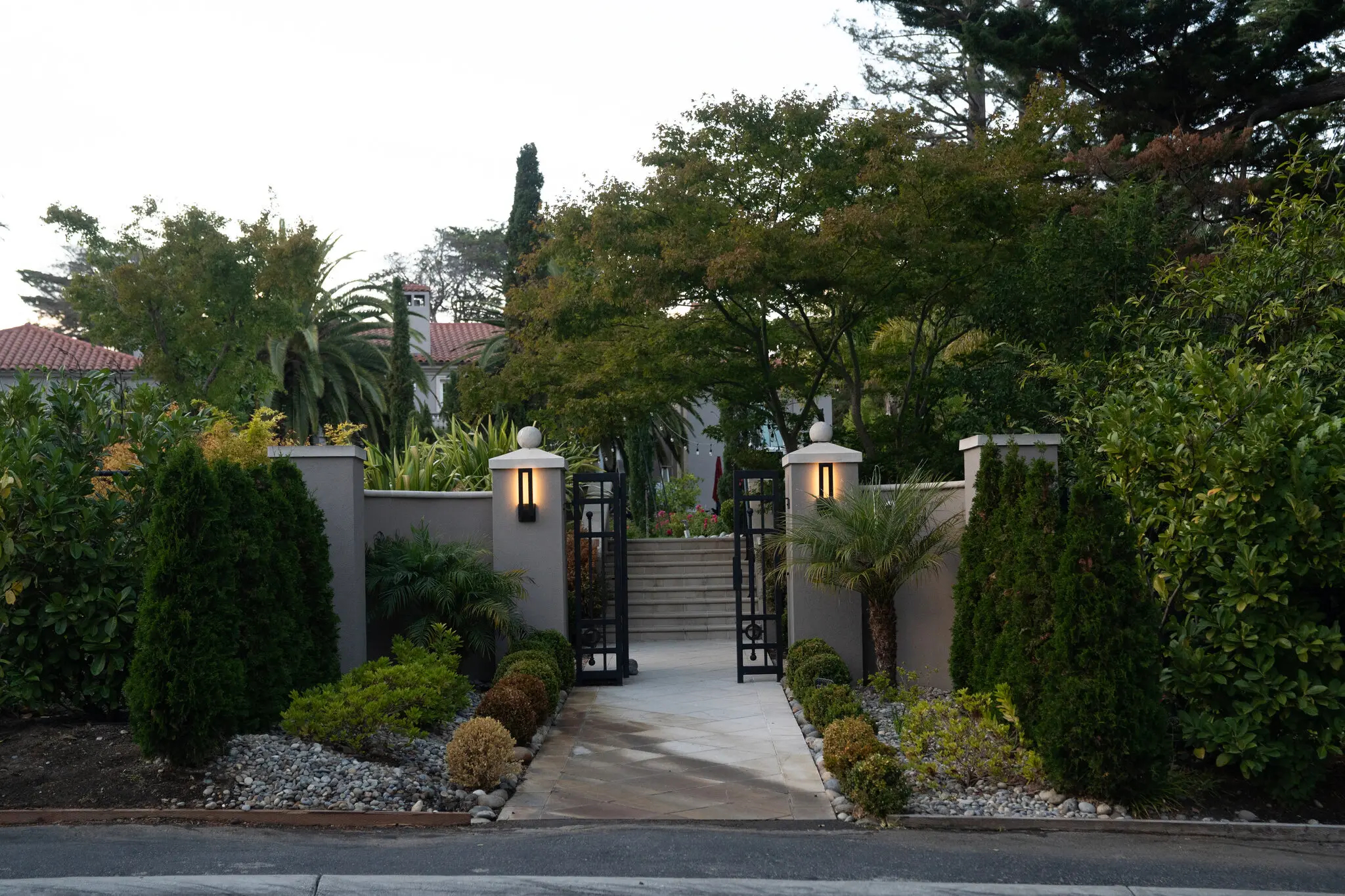
Silicon Valley’s booming artificial-intelligence industry has turned communal “hacker houses” into powerful networking hubs where young founders, engineers and investors can gain extraordinary access to money, talent and influential technology figures. But the culture surrounding some of these houses has also produced serious allegations and repeated conflicts with neighbors and authorities. At the prominent AGI House in Hillsborough, California, police have reportedly logged 37 incidents since 2022, including numerous complaints involving large parties and an incident in which a woman told police that a male resident repeatedly pressured her for sex before she escaped by climbing over a gate. Other AI-oriented communal houses have faced allegations involving sexual assault, disruptive parties, property damage and neighborhood disturbances. The controversy exposes an uncomfortable tension inside the AI boom: private communities built to accelerate innovation can generate valuable professional connections, but prestige, venture capital and technological ambition do not excuse disorder or eliminate the need for ordinary standards of responsibility.
Key Takeaways
- AGI House became an influential gathering point for AI founders, researchers and investors, but police records reportedly show 37 incidents at the Hillsborough property since 2022, including at least 17 connected with large gatherings and events.
- The problems extend beyond a single property. Other Bay Area technology houses have generated complaints involving noise, parking, property damage and alleged sexual misconduct, demonstrating the risks of combining residential living, business networking and large social events with limited institutional oversight.
- Hacker houses can genuinely accelerate innovation by concentrating ambitious people, investors and technical talent, but the controversies demonstrate that technological achievement and elite connections are no substitute for personal responsibility, property rights, neighborhood standards and competent management.
In-Depth
Silicon Valley’s latest AI boom has revived an old technology-industry institution: the hacker house, where founders, engineers and investors mix work, networking and communal living. But the culture surrounding some homes shows what can happen when money, ambition and access operate with weak boundaries and little accountability. The Hillsborough property known as AGI House became a gateway to influential figures, hackathons and venture capital, while police records reportedly document 37 incidents there since 2022, including complaints about parties and an allegation that a woman was pressured for sex before escaping over a gate.
The significance goes beyond one mansion. AI houses have become informal institutions within the Bay Area technology ecosystem, compressing networking, investment opportunities, social life and housing into the same spaces. That can accelerate collaboration, but it can also blur lines separating business relationships from personal conduct. Earlier reporting had already documented neighborhood disputes, zoning concerns and a battle over the AGI House name.
There is an irony. An industry promising to redesign work, intelligence and perhaps society itself is discovering that basic rules of conduct still matter. Innovation does not eliminate the need for property rights, public order, personal boundaries or responsible management. The accomplishments associated with these communities are real: founders, companies and technical projects have emerged from their networks. Yet prestige cannot substitute for standards. If hacker houses want to function as institutions rather than exclusive party scenes, operators will be judged not merely by who attends, but by how responsibly they govern communities they create.
Sources
- https://www.washingtonpost.com/technology/2023/03/15/ai-cerebral-valley-hacker-house/
- https://www.forbes.com/sites/sarahemerson/2024/05/06/the-techbro-turf-war-over-ais-most-hardcore-hacker-house/
- https://www.sec.gov/Archives/edgar/data/2060017/000121390026056001/xslFormDX08/primary_doc.xml
- https://ttabvue.uspto.gov/ttabvue/ttabvue-92087769-CAN-11.pdf