

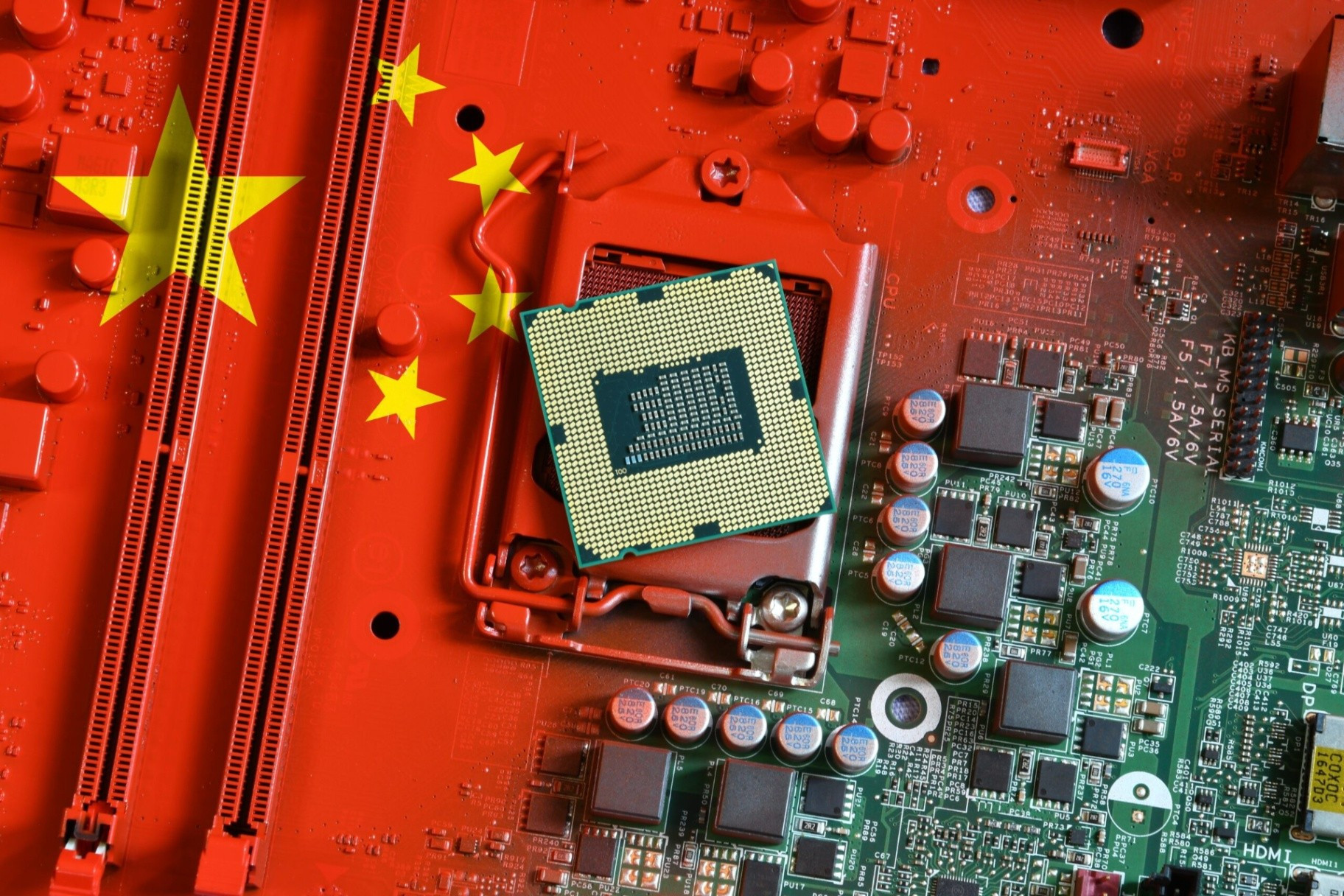
China’s drive to close the artificial-intelligence gap with the United States is accelerating despite diplomatic engagement between Presidents Donald Trump and Xi Jinping, with the strategic competition increasingly centered on advanced semiconductors, AI models, computing infrastructure and the enormous energy supplies needed to power them. The primary analysis argues that whatever understandings emerge from U.S.-China negotiations, Beijing is unlikely to ease its technological ambitions and instead will intensify efforts to develop domestic chips, larger models and greater computing capacity. Recent developments support that assessment: Alibaba has unveiled a new domestically designed AI processor, announced plans for models containing as many as 10 trillion parameters and targeted more than 20 gigawatts of data-center capacity by 2032. The emerging contest therefore extends well beyond software, making electricity generation, critical minerals, semiconductor manufacturing and industrial resilience increasingly important components of national power.
Key Takeaways
- China is pursuing technological self-sufficiency across the entire AI stack—chips, models, data centers and energy—rather than depending indefinitely on access to American semiconductor technology.
- Alibaba’s new Zhenwu V900 processor, plans for AI models reaching 5 trillion to 10 trillion parameters, and goal of exceeding 20 gigawatts of data-center capacity illustrate the extraordinary scale of Chinese investment.
- America retains substantial advantages in advanced semiconductors, AI development and private-sector innovation, but maintaining that lead increasingly requires abundant electricity, faster infrastructure development, domestic manufacturing and secure critical-mineral supply chains.
In-Depth
The central strategic contest between the United States and China is increasingly about the physical foundations of artificial intelligence: semiconductors, computing capacity, electrical power and the industrial systems required to scale them. Diplomacy between Washington and Beijing may produce agreements or reassuring language, but neither side has much incentive to slow the technological competition shaping economic and military power.
China’s recent moves demonstrate the scale of that effort. Alibaba has unveiled its Zhenwu V900 AI processor, which the company says delivers three times the performance of its previous chip, while planning future Qwen models containing as many as 10 trillion parameters. The company also intends to expand global data-center capacity beyond 20 gigawatts by 2032. Huawei is simultaneously pushing domestic AI hardware, reinforcing Beijing’s effort to reduce dependence on American technology.
Energy may prove equally consequential. Artificial intelligence requires reliable electricity supplies, turning generation capacity, transmission infrastructure and permitting into national competitive advantages. China has explicitly linked AI development with energy policy and is expanding nuclear power alongside other generation sources. The United States retains major strengths in advanced chips, software, capital markets and private-sector innovation, but power constraints and infrastructure delays could erode those advantages.
The larger lesson is that AI leadership cannot be secured by diplomatic declarations or semiconductor restrictions alone. Export controls can complicate China’s access to cutting-edge technology, but they also create incentives for domestic substitution. Washington therefore faces the challenge: preserve America’s technological lead while expanding energy, manufacturing, critical-mineral processing and computing infrastructure at home.
Sources
- https://www.zerohedge.com/markets/xi-will-return-and-put-his-foot-pedal-develop-better-chips-better-models-and-energy-drive ZeroHedge
- https://www.reuters.com/business/retail-consumer/alibaba-plans-ai-model-with-5-trillion-10-trillion-parameters-unveils-new-chip-2026-09-22/ Reuters
- https://apnews.com/article/alibaba-ai-chip-qwen-zhenwu-china-us-b29908e516faff9f5a82b201ba954aab AP News
- https://www.nea.gov.cn/20260508/4dae97ca01d348e4871bb8654be34b3a/c.html National Energy Administration
- https://blogs.nvidia.com/blog/securing-the-infrastructure-of-intelligence/ blogs.nvidia.com