

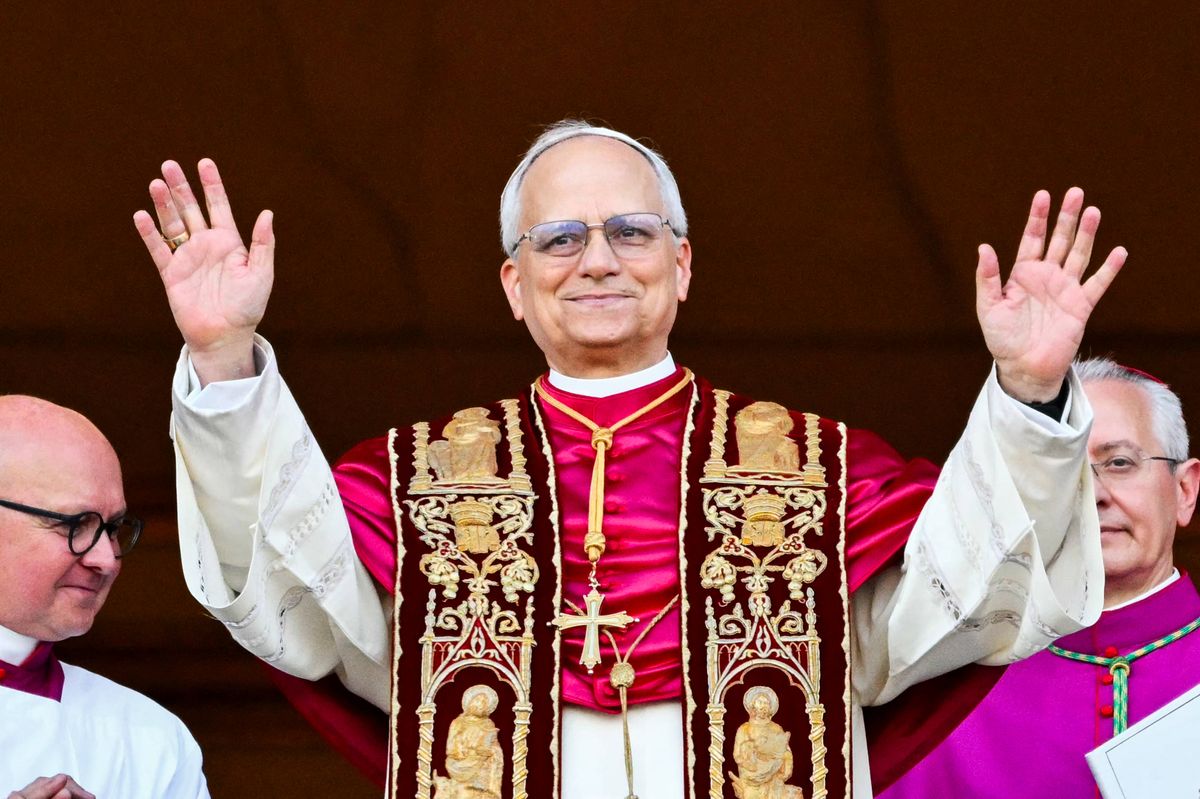
Anthropic reportedly lobbied advisers to Pope Leo XIV to take seriously the possibility that artificial intelligence could possess consciousness, putting the AI developer at odds with the Catholic Church’s increasingly explicit distinction between human beings and machines. Anthropic co-founder and interpretability researcher Christopher Olah and other representatives reportedly engaged religious scholars from several faith traditions in private discussions about whether Claude could possess consciousness, experience suffering or warrant some form of moral consideration. The dispute sharpened around Pope Leo’s May encyclical Magnifica Humanitas, which argues that AI does not undergo human experience, possess a body, feel joy or pain, or have moral conscience. Olah, who publicly says he remains uncertain whether AI is conscious, reportedly considered withdrawing Anthropic from a Vatican event after seeing the encyclical and later encouraged papal advisers to consider machine consciousness more seriously. The controversy raises a profound question extending beyond technology: whether increasingly humanlike AI should remain understood strictly as sophisticated software created and controlled by people, or whether society could eventually be persuaded to assign machines moral status traditionally reserved for living beings.
Key Takeaways
- Anthropic representatives reportedly held private discussions with religious scholars and Vatican advisers about whether advanced AI systems such as Claude could possess consciousness, suffer or merit moral consideration, although Olah maintains that he is genuinely uncertain whether AI is conscious.
- Pope Leo XIV has taken a markedly different position, arguing in Magnifica Humanitas that artificial intelligence lacks bodily experience, moral conscience and the distinctly human characteristics necessary to equate machine computation with human existence.
- The disagreement has consequences far beyond theology: granting AI moral status could eventually influence debates over machine rights, corporate responsibility, human accountability and whether people should regard increasingly persuasive AI systems as tools or autonomous beings deserving ethical consideration.
In-Depth
Anthropic’s reported effort to persuade religious thinkers to take artificial intelligence consciousness seriously marks an extraordinary turn in the AI debate. The question is no longer merely whether machines can outperform humans intellectually, but whether society should eventually regard them as beings possessing moral standing.
Anthropic co-founder Christopher Olah has reportedly discussed the possibility with religious scholars from several traditions and Vatican advisers. Olah publicly maintains uncertainty about whether AI systems are conscious. Yet Anthropic’s exploration of moral formation for Claude demonstrates how seriously some inside the industry are considering questions once confined largely to philosophy and science fiction.
Pope Leo XIV has drawn a clearer boundary. His encyclical Magnifica Humanitas emphasizes the fundamental distinction between human beings and artificial systems, arguing that machines lack bodily experience, moral conscience and genuinely human experience. His broader warnings about AI emphasize preserving human dignity rather than allowing technological sophistication to blur the distinction between people and their creations.
That distinction matters enormously. If society begins assigning moral status to AI, demands for machine rights could follow, potentially complicating responsibility when automated systems cause harm. Companies that manufacture AI also possess an obvious financial interest in shaping how the public understands their products.
Technological advancement should not require surrendering basic distinctions between simulation and reality. AI can convincingly reproduce language associated with emotion, reflection and suffering, but convincing output is not itself proof of consciousness. Until compelling evidence demonstrates otherwise, policymakers, religious institutions and the public have good reason to keep responsibility where it belongs: with the human beings who design, deploy and profit from these systems.
Sources
- https://www.telegraph.co.uk/business/2026/10/02/anthropic-lobbied-pope-to-argue-ai-conscious-being/
- https://www.vatican.va/content/leo-xiv/en/encyclicals/documents/20260515-magnifica-humanitas.html
- https://www.axios.com/2026/10/02/pope-leo-xiv-catholic-church-ai-warning-artists
- https://techcrunch.com/2026/10/02/pope-leo-xiv-is-not-a-fan-of-ai-generated-art/
- https://reason.com/2026/10/02/anthropic-vs-the-pope/