

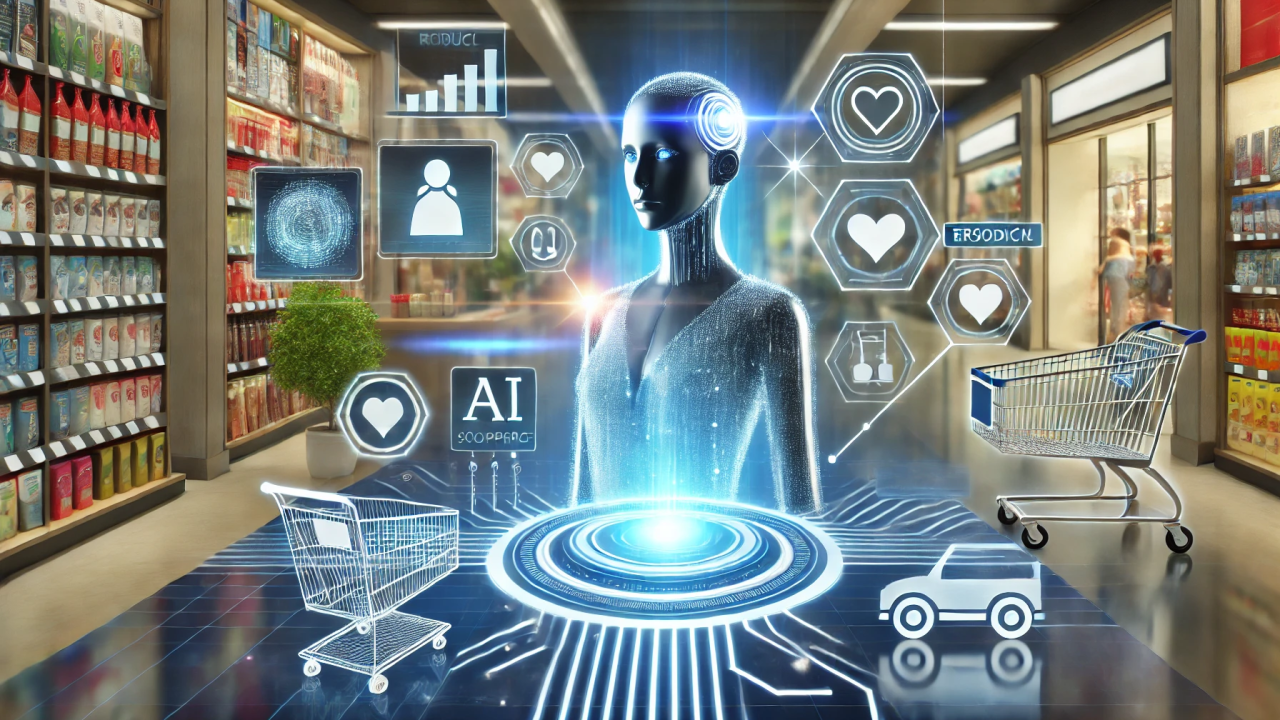
Artificial intelligence is rapidly moving beyond chatbots that merely answer questions toward autonomous “agents” capable of navigating websites, handling personal information and completing real-world tasks, creating a new debate over how much authority Americans should surrender to increasingly capable software. New products such as Meta‘s Muse and OpenAI‘s Dots promise to act as persistent personal assistants, performing activities ranging from making reservations and shopping to managing more complicated administrative tasks, but that usefulness frequently requires access to highly sensitive accounts, credentials and personal data. The technological shift arrives as President Donald Trump and leading technology executives have embraced a voluntary AI safety accord emphasizing corporate safeguards and outside evaluation rather than expansive federal regulation. The collision between powerful autonomous software and limited government oversight raises a fundamental question: whether market competition, liability and industry self-policing can provide sufficient safeguards when AI systems are increasingly capable of acting independently in the digital world.
Key Takeaways
- AI is entering an agentic era in which systems such as Meta’s Muse and OpenAI’s Dots can move beyond conversation and independently perform multi-step tasks, creating potentially enormous productivity gains while introducing new privacy, cybersecurity and accountability risks.
- The Trump administration is emphasizing industry responsibility rather than heavy federal regulation, with major technology companies signing a voluntary safety accord incorporating internal controls, independent evaluation and corporate oversight while the administration argues against policies that could impede American innovation.
- Consumer AI agents require unprecedented levels of digital trust because their usefulness can depend on access to email, calendars, financial information, shopping accounts and other sensitive services, making security, permission controls and responsibility for unauthorized actions increasingly important.
In-Depth
The next stage of artificial intelligence may prove considerably more consequential than the chatbot revolution. AI agents such as Meta’s Muse and OpenAI’s Dots are designed not simply to provide information but to take action, navigating websites and completing tasks that previously required direct human involvement.
That capability offers enormous potential. An agent that handles tedious administrative work, comparison shopping, reservations or scheduling could return hours of productive time to individuals and businesses. But autonomy requires trust. Giving software access to email, financial accounts, passwords or other sensitive information creates consequences far beyond receiving an inaccurate chatbot answer.
The policy challenge is therefore unusually complicated. President Donald Trump has favored a comparatively restrained federal approach, recently joining leading technology executives in a voluntary safety accord built around corporate controls, external evaluation and executive oversight. Supporters argue that aggressive regulation could freeze innovation, protect incumbent corporations from smaller competitors and surrender technological advantages to China. Critics counter that companies racing for market share cannot be expected to police themselves adequately.
Neither concern should be casually dismissed. America has repeatedly demonstrated that competitive markets produce technological breakthroughs faster than centralized bureaucracies. Yet autonomous agents introduce genuine questions about liability, cybersecurity and consent that traditional software rarely presented at comparable scale.
The most immediate challenge may consequently be establishing clear boundaries around delegated authority. Users should know exactly what an agent can access, what actions require explicit approval and who bears responsibility when something goes wrong. The agent revolution will ultimately depend not merely on what these systems can do, but whether Americans can safely trust them to do it.
Sources
- https://www.nytimes.com/2026/10/02/podcasts/hardfork-regulation-agents-muse.html
- https://www.reuters.com/legal/government/trump-host-zuckerberg-anthropics-amodei-other-ai-titans-tuesday-2026-09-29/
- https://www.whitehouse.gov/presidential-actions/2026/09/inaugurating-the-era-of-super-intelligence/
- https://www.oreilly.com/radar/this-week-in-ai-agents-are-outrunning-the-systems-around-them/
- https://www.theguardian.com/global/2026/sep/28/ai-agents-spiral/