

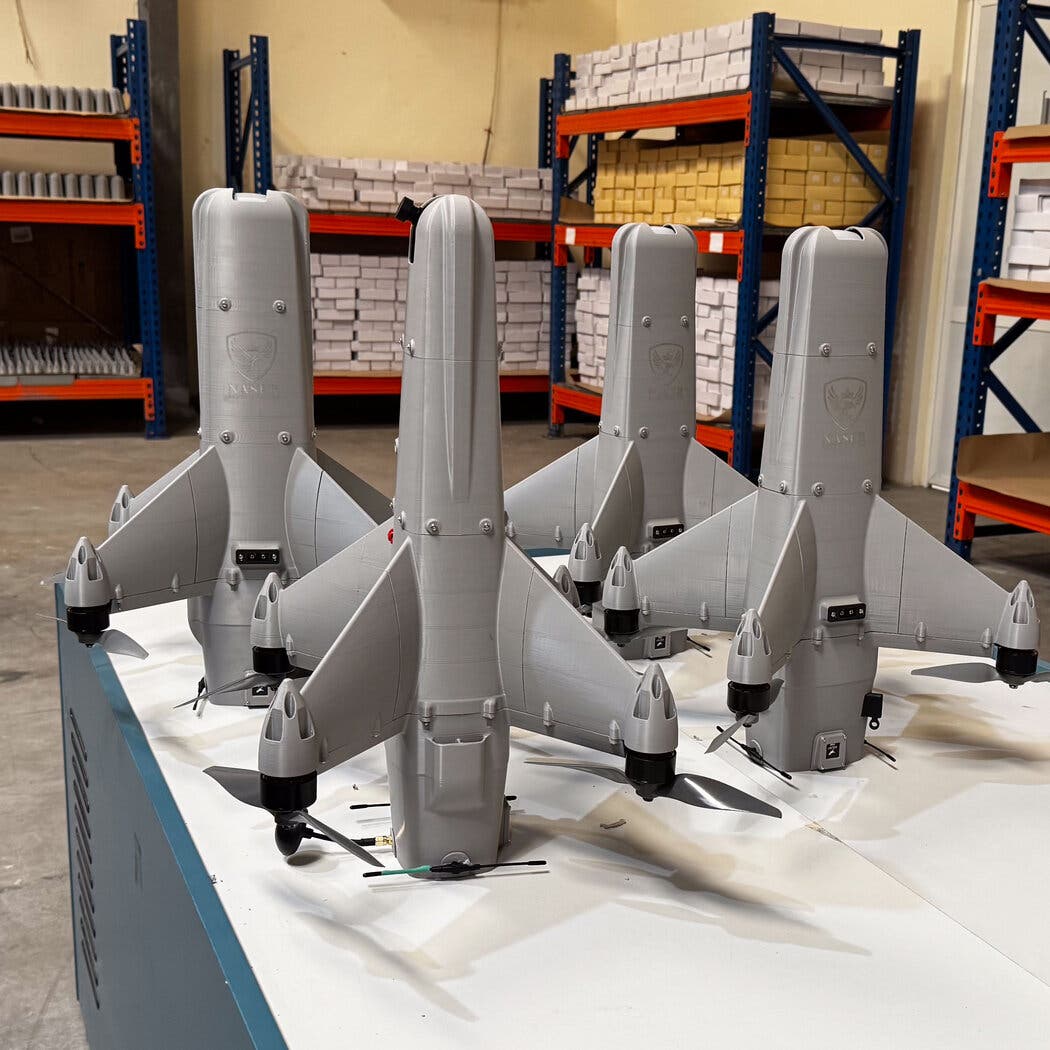
- Australia’s Defence Department is considering exemptions from emerging federal artificial intelligence regulations to protect classified military operations and national security capabilities.
- Defence officials warn that rigid AI restrictions could undermine operational readiness as military applications expand and international competitors accelerate technological development.
- Existing government AI policies exclude Defence and intelligence agencies, while proposed national standards raise questions about military flexibility, accountability and oversight.
Australia’s Department of Defence is considering whether it needs exemptions from emerging federal artificial intelligence rules to protect military operations and national security. At an Oct. 30 parliamentary hearing, Chief Artificial Intelligence Officer Chris Crozier described a department rapidly expanding its use of AI while assessing how governmentwide requirements could affect classified and time-sensitive work. Defence has not publicly identified specific new exemptions it would seek or require.
The debate comes as Canberra develops tougher standards for advanced AI systems, including expectations that developers demonstrate effective safety testing. Existing government AI policy already excludes Defence and national intelligence agencies, although they may voluntarily adopt suitable provisions. Defence maintains its own framework requiring lawful use, individual accountability, human oversight and risk-based safeguards. Officials are also pursuing AI for operational capability and administrative efficiency, reflecting the technology’s growing importance to military readiness and Australia’s ability to respond to evolving security threats and challenges.
Why It Matters
Australia’s military cannot afford regulations that slow critical decisions or expose classified capabilities. Artificial intelligence could improve intelligence analysis, defensive operations and battlefield responsiveness, particularly as competitors accelerate their own technological development. A national framework written primarily for civilian agencies may not fit combat conditions, where seconds matter and sensitive systems cannot be openly documented.
Yet a defence exemption should not become an exemption from responsibility. Errors in military AI can carry consequences far beyond those of ordinary commercial applications. Clear lines of human accountability, rigorous testing and compliance with Australian and international law remain essential, even when operational details must stay secret. Policymakers should distinguish necessary flexibility from blanket immunity, with oversight suited to classified programs. That approach would protect national security without sacrificing public trust. The central question is whether Canberra can establish practical, enforceable safeguards while allowing its armed forces to innovate at the speed modern threats demand.
Sources
- https://www.theepochtimes.com/world/defence-flags-possible-exemptions-from-impending-ai-rules-6110953
- https://www.itnews.com.au/news/defence-declares-absolute-acceleration-in-its-ai-adoption-630051
- https://www.digital.gov.au/ai/AI-in-government-policy/implementation
- https://www.defence.gov.au/about/governance/artificial-intelligence
- https://www.abc.net.au/news/2026-10-08/federal-politics-ai-regulation-andrew-charlton-speech/107241674