

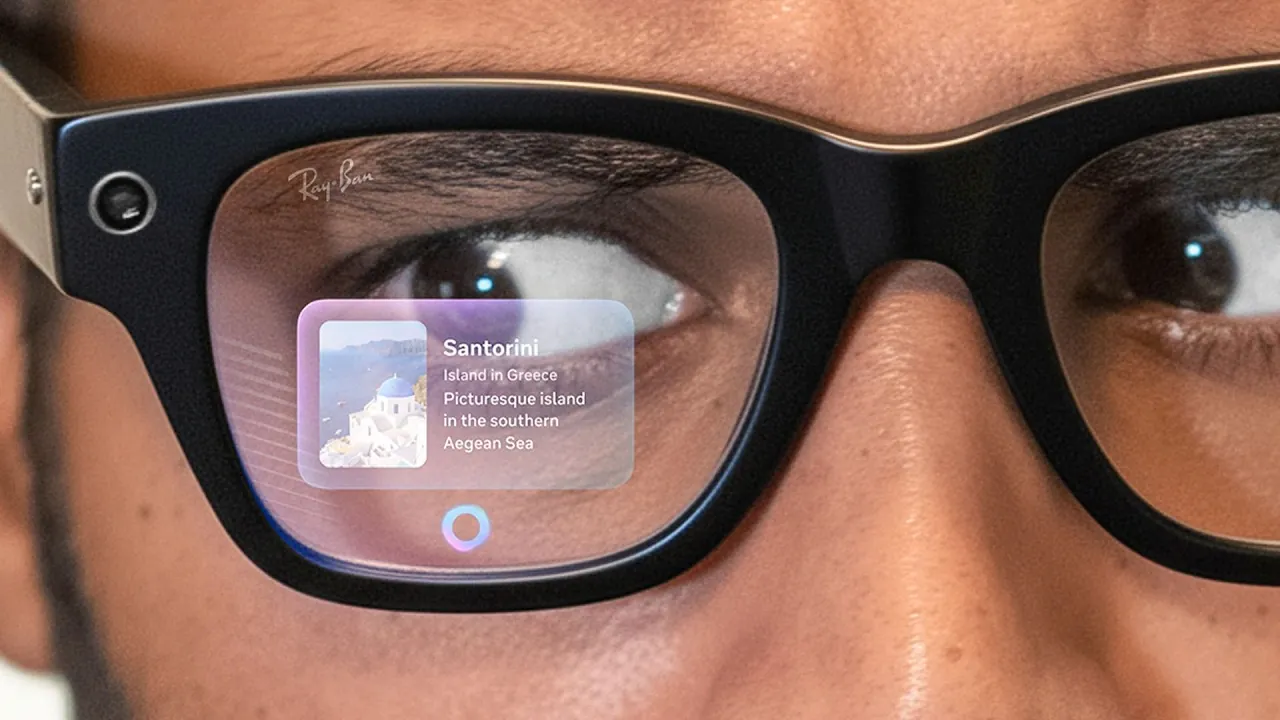
- San Francisco startup Subvocal has developed AI-powered glasses that translate silent mouth movements into text, with claimed speeds exceeding 200 words per minute.
- The company raised $1.3 million and is accepting preorders for $499, with initial shipments expected in the first quarter of 2027.
- The technology promises greater workplace productivity and hands-free communication but raises concerns about accuracy, personal privacy and potential surveillance.
A San Francisco startup is developing AI-powered glasses designed to convert silent mouth movements into written text, potentially giving workers a faster, quieter alternative to keyboards and voice dictation. Founded by Aarush Yadav and Arnav Kumar, The Subvocal Company says its prototype uses low-power radio-frequency signals to track facial muscle movement and interpret deliberately mouthed words. The founders claim transcription speeds exceeding 200 words per minute, although independent testing has not established that performance.
The company has raised $1.3 million and is accepting U.S. reservations for a 2027 release. Its advertised early price is $499, requiring a refundable $199 deposit, compared with a $699 regular price. The technology could support messaging, document creation and interactions with AI assistants without audible speech. Related research demonstrates that wearable sensors can recognize some silent speech commands, but accuracy, privacy protections and reliability in everyday conditions remain unanswered questions for prospective customers and employers.
Why It Matters
If reliable, silent speech glasses could change how Americans work by allowing employees to draft messages, operate AI tools and communicate without disrupting colleagues or surrendering their hands to a keyboard. That opportunity deserves serious consideration, particularly in workplaces where efficiency matters and voice dictation is impractical. It also could widen access to computer interfaces for some people with speech or mobility limitations, although those benefits require testing rather than assumptions.
The larger question is whether employers and consumers will retain control over an increasingly intimate form of personal data. Technology that interprets facial movements should not become another excuse for invasive workplace surveillance or unnecessary collection of sensitive information. Companies should disclose what data they gather, where processing occurs and who may access the results. Independent accuracy testing, meaningful privacy safeguards and voluntary adoption should come before sweeping productivity claims. Innovation succeeds when it earns trust, not merely attention.
Sources
- https://nypost.com/2026/11/02/tech/ai-powered-glasses-can-replace-talking-typing-in-workplace/
- https://www.digitaltrends.com/computing/subvocals-glasses-promise-to-let-you-talk-to-your-computer-in-complete-silence/
- https://www.hindustantimes.com/trending/aarush-yadav-arnav-kumar-raise-1-3-million-for-eyeglasses-that-let-people-type-without-speaking-aloud-101793416126767.html
- https://pubmed.ncbi.nlm.nih.gov/39599144/
- https://subvocal.company/preorder