

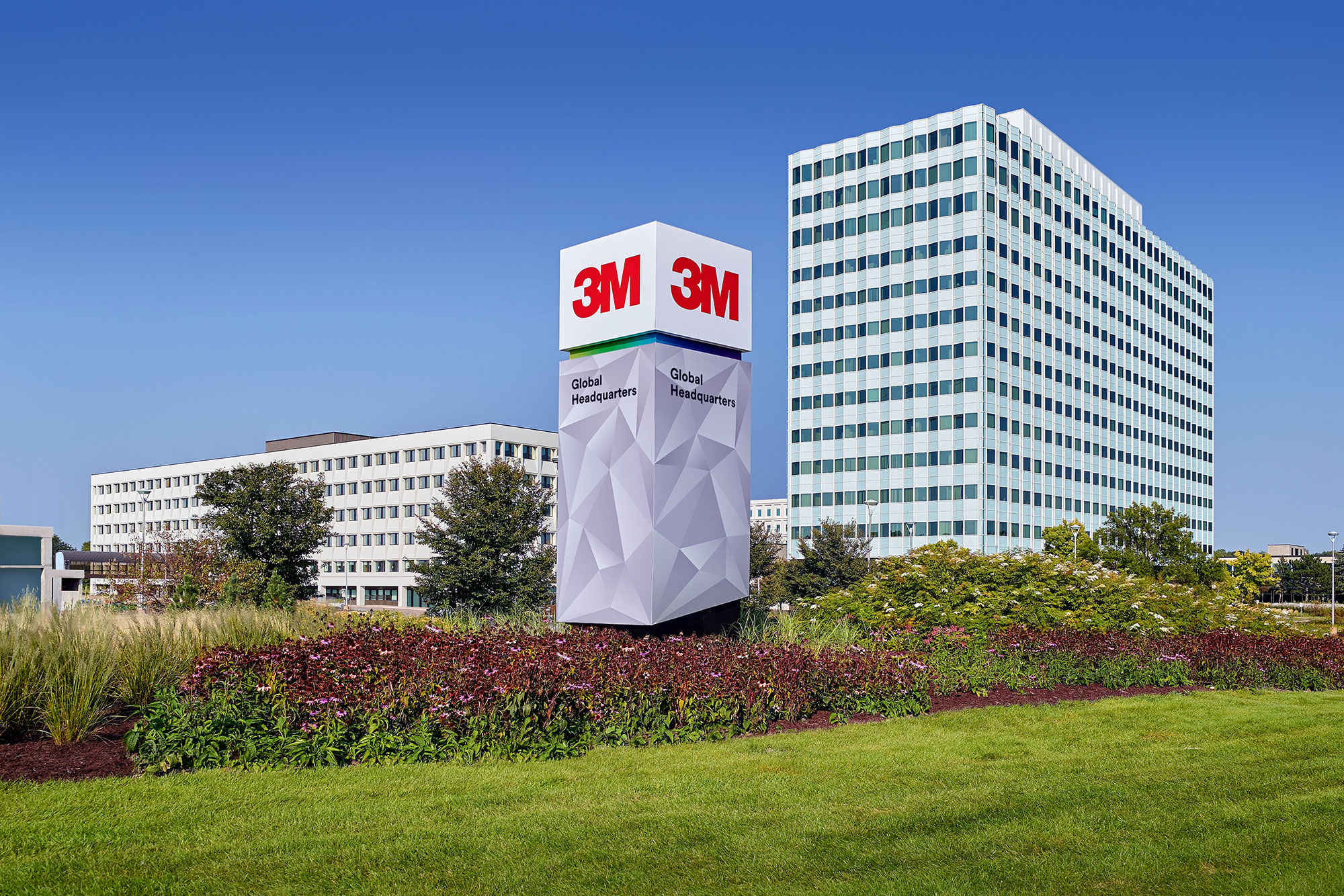
- 3M has agreed to a $7.35 billion settlement covering approximately 115,000 to 120,000 plaintiffs alleging injuries from PFAS chemicals used in firefighting foam.
- The nine-year agreement addresses approximately 99% of existing personal injury claims, with a $5.8 billion pretax charge expected in the fourth quarter of 2026.
- The settlement follows years of litigation involving alleged cancer risks and environmental contamination, although 3M maintains that the agreement does not constitute an admission of liability.
3M has agreed to pay $7.35 billion over nine years to resolve personal injury lawsuits alleging harm from PFAS chemicals used in firefighting foam. The agreement potentially covers 115,000 to 120,000 plaintiffs and approximately 99% of existing personal injury claims tied to federal multidistrict litigation and related cases. The company will record a $5.8 billion pretax charge in the fourth quarter of 2026, reflecting the settlement’s present value.
The payment schedule begins with $50 million in 2026, skips 2027 and extends through 2034. A $680 million reserve within the settlement addresses remaining and future claims. Plaintiffs have alleged illnesses including cancer following exposure to chemicals that persist in the environment. Federal health authorities recognize associations between exposure to some PFAS and kidney or testicular cancer, among other health concerns. 3M maintains that the agreement does not constitute an admission of liability and says the resolution reduces uncertainty surrounding its legal exposure.
Why It Matters
The agreement highlights the enormous financial consequences businesses can face when products generate decades of health and environmental litigation. For injured workers and families, compensation offers a potential measure of relief, but payment eligibility and individual awards will depend on the settlement’s terms. For shareholders, spreading payments across nine years could make a multibillion-dollar obligation more manageable, even as the fourth-quarter accounting charge underscores its scale.
The broader lesson is that public health protection, responsible manufacturing and predictable legal standards must work together. Companies should be held accountable when wrongdoing is established, while courts should scrutinize claims carefully and protect due process. The settlement itself is not a finding of liability. It also cannot eliminate the public costs of persistent contamination or resolve every future dispute. Policymakers should prioritize reliable scientific evidence, transparent cleanup obligations and clear rules that protect communities without substituting sweeping regulatory assumptions for proof in individual legal proceedings.
Sources
- https://www.wsj.com/business/3m-announces-7-4-billion-settlement-in-forever-chemicals-injuries-case-17dd1e41
- https://www.prnewswire.com/news-releases/3m-reaches-broad-resolution-of-afff-personal-injury-litigation-302928535.html
- https://www.cdc.gov/niosh/pfas/about/index.html
- https://epa.illinois.gov/topics/water-quality/pfas/firefighting-foam-and-pfas.html
- https://www.atsdr.cdc.gov/pfas/about/health-effects.html