

• Tesla plans to wind down Cybertruck production at its Texas Gigafactory by mid-2027, redirecting manufacturing resources toward its autonomous Cybercab.
• Cybertruck sales plunged 48% in 2025 to approximately 20,000 vehicles, dramatically missing Elon Musk‘s earlier projection of 250,000 annual sales.
• Recalls, high prices, unconventional styling and regulatory challenges have undermined Cybertruck demand as Tesla increasingly prioritizes artificial intelligence, robotics and autonomous transportation.
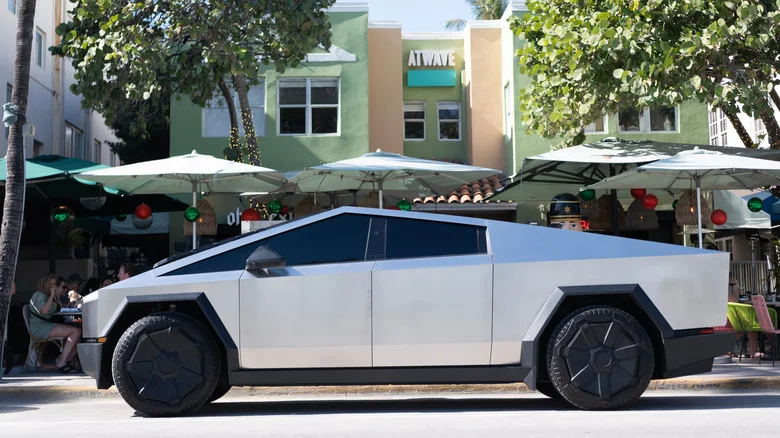
Tesla CEO Elon Musk says the company will wind down Cybertruck production at its Gigafactory near Austin, Texas, around mid-2027, freeing manufacturing capacity for its Cybercab autonomous vehicle. The announcement raises questions about the future of Tesla’s angular electric pickup, which began reaching customers in 2023. Musk has not specified whether Cybertruck manufacturing will move elsewhere or stop entirely. Tesla’s Texas facility is the only known plant equipped to make the truck’s specialized components.
The decision follows disappointing sales, repeated recalls and questions about the vehicle’s price, design and reliability. U.S. Cybertruck sales fell 48% in 2025 to just over 20,000, a fraction of Musk’s earlier projection of more than 250,000 annually. Tesla is instead directing resources toward Cybercab production as Musk emphasizes autonomous transportation, artificial intelligence and robotics. The shift reflects a significant change in priorities, although regulatory scrutiny and commercial uncertainty still surround Tesla’s driverless ambitions at scale.
Why It Matters
Tesla’s retreat from Cybertruck production is a reminder that bold engineering and aggressive marketing cannot substitute for sustained consumer demand. American pickup buyers expect durability, utility, reasonable pricing and dependable service. The Cybertruck attracted attention, but its unusual appearance, costly positioning and recurring recalls limited its reach beyond enthusiasts. Its sales trajectory also demonstrates why manufacturers must remain accountable to customers rather than rely on ambitious forecasts.
The transition to Cybercab is another substantial bet. Autonomous transportation could eventually create new opportunities for American manufacturing, technology development and productivity, but the business case depends on safety, regulatory approval and paying customers. Tesla must show that its replacement strategy can deliver measurable results rather than simply shift expectations from one futuristic product to another. For workers, investors and existing Cybertruck owners, unanswered questions about production, support and long-term value underscore the importance of clear corporate communication and disciplined execution over time.
Sources
- https://nypost.com/2026/11/06/business/tesla-to-wind-down-cybertruck-production-at-texas-factory-as-it-struggles-to-win-appeal/
- https://www.ttnews.com/articles/tesla-wind-down-cybertruck
- https://www.sfchronicle.com/tech/article/tesla-cybertruck-production-end-22516782.php
- https://www.worktruckonline.com/news/tesla-to-wind-down-cybertruck-production-in-texas-by-mid-2027
- https://www.latimes.com/business/story/2026-11-06/tesla-will-phase-out-cybertruck-production-next-year-musk-says