

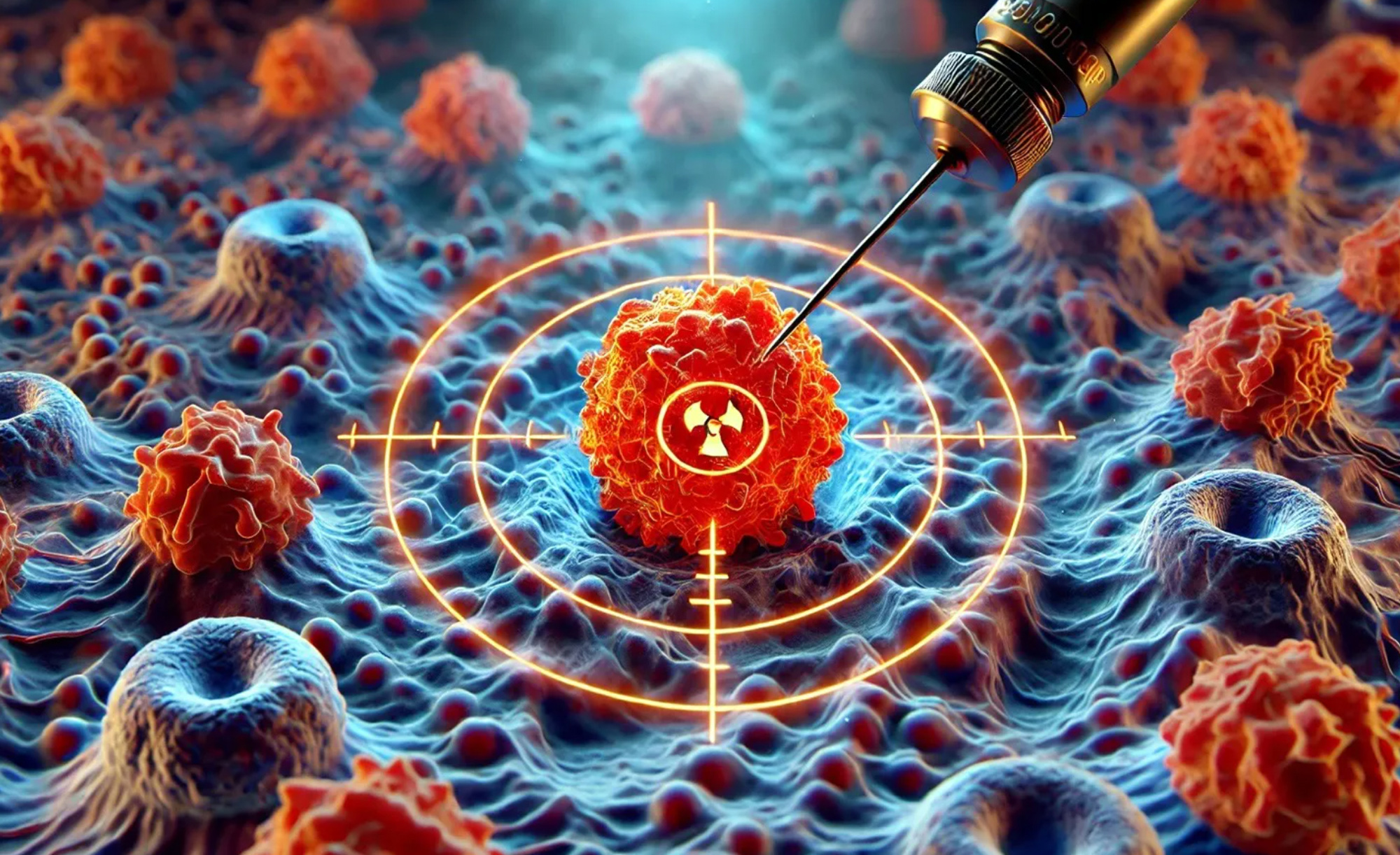
– Anthropic CEO Dario Amodei predicts artificial intelligence could dramatically accelerate medical breakthroughs, potentially leading to cancer treatments within five to 10 years.
– Researchers warn that promising AI-generated discoveries remain largely unproven in humans, with approximately 95% of cancer drugs entering clinical trials failing to reach the market.
– Anthropic is expanding laboratory operations, acquiring biotechnology companies and partnering with pharmaceutical developers, but scientists insist clinical results must substantiate its ambitious predictions.
Anthropic is aggressively expanding into biotechnology, promoting artificial intelligence as a potential breakthrough in cancer treatment and pharmaceutical development. CEO Dario Amodei predicts AI could compress decades of biological research into just a few years. The company has established laboratory operations, acquired biotechnology startups and partnered with pharmaceutical developers to accelerate experimental treatments. Its Claude AI system has demonstrated promising capabilities in molecular research and drug design. However, independent scientists caution that laboratory discoveries frequently fail when subjected to human clinical trials. No AI-developed drug has received full Food and Drug Administration approval, raising questions about the industry’s increasingly ambitious promises.
Researchers emphasize that biological complexity, regulatory requirements and unpredictable patient responses remain substantial obstacles. Anthropic itself acknowledges that its research is largely preclinical and that pharmaceutical development carries significant financial and scientific risks. While AI could meaningfully improve drug discovery, experts argue that measurable clinical success, rather than technological predictions, must determine whether these innovations represent genuine medical breakthroughs.
Why It Matters
Artificial intelligence could transform American medicine by reducing research costs, accelerating pharmaceutical innovation and improving treatment options for patients facing life-threatening diseases. However, extravagant predictions about curing cancer risk creating unrealistic expectations among vulnerable patients and investors. Scientific credibility depends on reproducible results, rigorous clinical trials and demonstrated improvements in patient outcomes, not corporate announcements or speculative timelines.
Anthropic’s biotechnology ambitions also raise questions about corporate accountability, regulatory oversight and whether technological enthusiasm could pressure policymakers to weaken essential medical safeguards. Faster innovation is desirable, but replacing evidence-based standards with optimistic projections would undermine patient protection and public confidence.
The private sector should remain free to pursue ambitious medical advances while accepting responsibility for proving their effectiveness. Government regulators must distinguish legitimate scientific progress from promotional exaggeration without unnecessarily obstructing innovation. Ultimately, the measure of AI’s contribution to medicine will be safe, effective treatments delivered to patients, rather than promises from Silicon Valley executives.
Sources
– https://www.wired.com/story/anthropic-says-it-will-revolutionize-biology-some-day/