

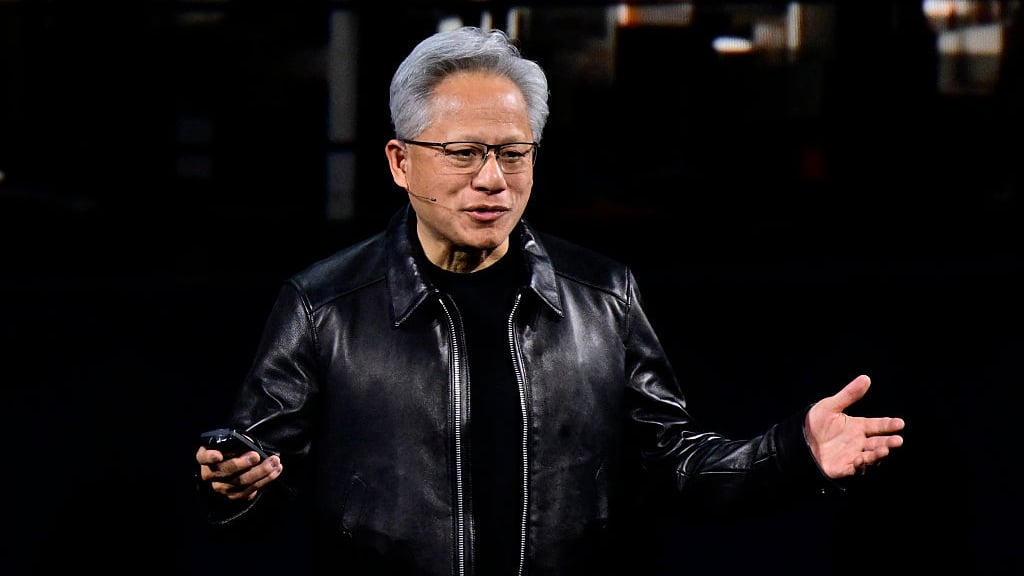
– Nvidia and CEO Jensen Huang face a shareholder class-action lawsuit alleging they concealed an affair involving a suspected Chinese intelligence operative, misleading investors about national security and financial risks.
– Federal authorities are investigating potential violations of U.S. export restrictions involving Megaspeed, a Singapore-based company reportedly responsible for billions of dollars in Nvidia chip purchases.
– Nvidia’s board has launched an independent investigation as shareholders seek damages, raising concerns about corporate transparency, executive accountability and the protection of sensitive American artificial intelligence technology.
Nvidia and CEO Jensen Huang face a shareholder class-action lawsuit alleging they misled investors about a relationship with Alice Huang, a former executive at Singapore-based Megaspeed who has been identified in reports as a suspected Chinese intelligence asset. Filed in federal court in San Jose, California, the complaint argues that Nvidia failed to disclose potential national security and business risks while reassuring investors about Megaspeed’s compliance with U.S. export restrictions. The allegations remain unproven, and Jensen Huang has not been charged with espionage.
Huang has acknowledged marital infidelity and apologized to his family and company. Nvidia’s independent directors have initiated an investigation, while federal authorities are examining potential export-control violations involving Megaspeed, which reportedly purchased billions of dollars in Nvidia chips. A shareholder seeks unspecified damages following a decline in Nvidia’s stock price. The controversy raises questions about corporate disclosures, executive judgment and protections surrounding advanced American artificial intelligence technology.
Why It Matters
The dispute extends beyond an executive’s private conduct. Nvidia produces advanced chips central to America’s artificial intelligence capabilities, making the protection of its technology an economic and national security concern. If a senior executive’s undisclosed relationship created material exposure to foreign intelligence efforts, shareholders have a legitimate interest in knowing whether corporate safeguards and public assurances were adequate. Investigators must establish the facts rather than treat suspicions as proof.
The case also tests whether existing corporate governance and export enforcement mechanisms can protect sensitive technology without imposing unnecessary restrictions on American enterprise. Directors must examine conflicts, regulators must determine whether disclosure or export laws were violated, and prosecutors must distinguish misconduct from speculation. A credible resolution requires transparency, due process and accountability based on evidence. Protecting investors and American technological leadership depends on both rigorous security and consistent enforcement of the law, regardless of an executive’s prominence or political connections.
Sources
– https://www.cbsnews.com/news/nvidia-jensen-huang-shareholder-lawsuit-affair-chinese-spy/
– https://apnews.com/article/nvidia-china-ai-jensen-huang-affair-1f060e52b308cb2c649807518d5081e2