

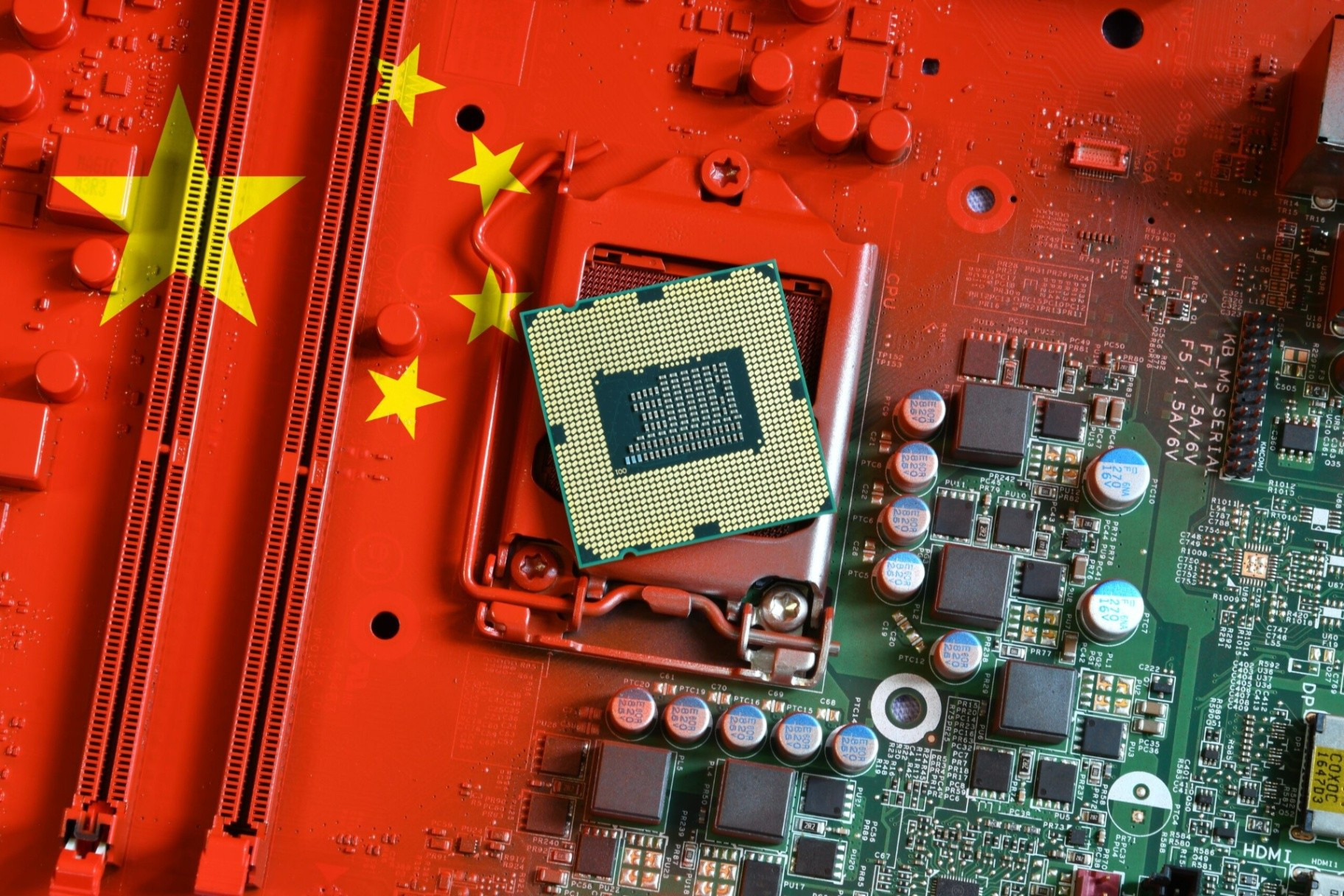
• Alibaba reportedly helped finance more than $4 billion in Nvidia AI chip purchases through Singapore-based Megaspeed, raising concerns about Chinese access to restricted American technology.
• Alibaba co-founded Zhejiang Lab, a research facility connected to China’s military that has explored automated cyberattacks and simulated warfare, although direct use of Megaspeed’s chips remains unproven.
• Congressional disclosures reveal U.S. approval of more than 879,000 AI chip exports to Chinese companies, intensifying questions about export controls and national security oversight.
Alibaba helped finance access to Nvidia artificial intelligence chips through Singapore-based Megaspeed while maintaining ties to a Chinese research laboratory associated with the country’s military, according to an investigation. Megaspeed purchased more than $4 billion in Nvidia hardware, with computing capacity deployed in Malaysia and made remotely available to Alibaba. Zhejiang Lab, which Alibaba helped establish, has conducted research involving automated cyberattacks and military war-game simulations. However, investigators have not established that Megaspeed’s chips reached the laboratory or were used for military purposes.
The disclosures intensified scrutiny of American semiconductor export controls and the companies operating around them. Congressional findings released Thursday showed U.S. regulators approved licenses for 879,000 chips destined for Chinese customers, including 75,000 associated with Alibaba. Those approvals do not establish actual deliveries. Alibaba denies providing military services, while Nvidia says it complies with export restrictions and has stopped shipping H200 chips to China.
Why It Matters
The controversy exposes a weakness in American technology safeguards: restricting physical chip exports does not necessarily prevent Chinese companies from accessing American computing systems through overseas data centers. When commercial partnerships overlap with research organizations connected to Beijing’s military, regulators face challenges verifying how sensitive technology is ultimately used.
China’s pursuit of advanced computing raises stakes beyond ordinary trade competition. Artificial intelligence can strengthen cyberwarfare, battlefield planning and weapons development, making access to leading processors a national security concern. Yet allegations of military connections must not be confused with proof that a particular shipment supported military operations.
Congress now has reason to demand tougher scrutiny of licensing decisions, overseas computing arrangements and the ultimate users of restricted technology. Protecting America’s technological advantage requires enforceable safeguards, transparent oversight and consequences for violations, without assuming every commercial transaction is illicit. Economic opportunity should not override the responsibility to protect sensitive American capabilities.
Sources
• https://www.nytimes.com/2026/11/18/technology/nvidia-alibaba-china-military.html
• https://thenextweb.com/news/alibaba-megaspeed-zhejiang-lab-military-nvidia-chips-nyt