

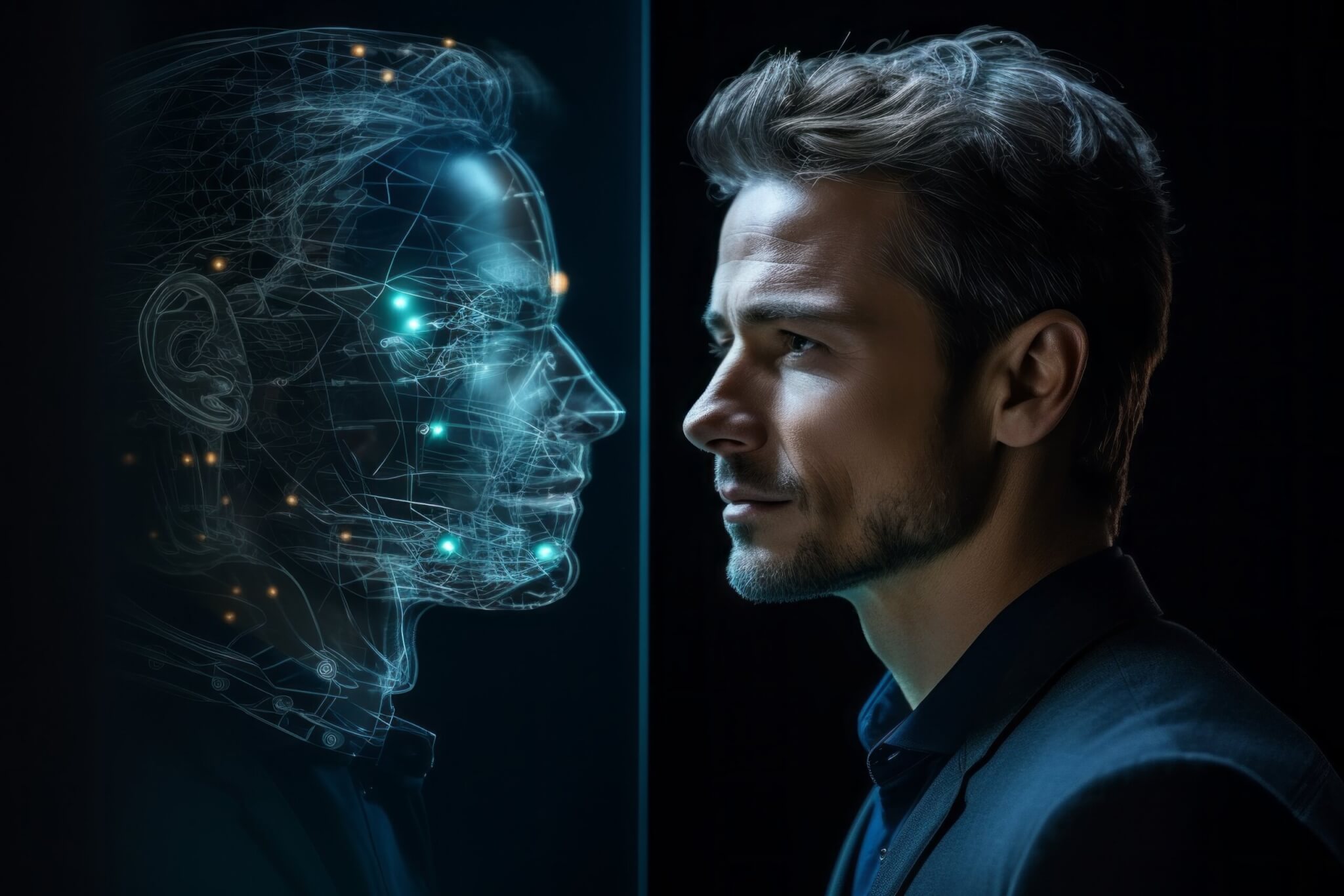
• Cambridge Dictionary selected “human” as its 2026 Word of the Year, reflecting growing concerns about artificial intelligence replacing human creativity, judgment and authentic relationships.
• Writers, artists and performers are increasingly challenging AI-generated imitations, unauthorized use of original work and the erosion of intellectual property protections.
• The selection highlights growing demands for human oversight, personal accountability and protections against technology displacing essential human responsibilities.
Cambridge Dictionary has selected “human” as its 2026 Word of the Year, reflecting growing concern about artificial intelligence and its influence on creativity, personal identity and everyday decision-making. The adjective describes the qualities, faults and feelings associated with people rather than machines. Dictionary officials said rapidly advancing AI has prompted renewed interest in what distinguishes human judgment, relationships and artistic expression from automated output. Other contenders included “agent,” describing increasingly autonomous AI systems, and “analogue,” associated with experiences outside digital technology.
The selection follows mounting objections from writers, performers and other creators over unauthorized AI replicas and the use of original works to develop machine-generated content. Some authors have embraced labeling that identifies books written by people. Bill Gates argued that certain responsibilities, including caregiving, should remain centered on human beings, while acknowledging AI’s potential benefits. The choice underscores a wider demand for authenticity and accountability as powerful technology reshapes work, culture and communication.
Why It Matters
The choice of “human” highlights a fundamental question facing Americans and institutions worldwide: Will artificial intelligence remain a tool serving people, or will convenience gradually replace human responsibility? As automated systems enter classrooms, workplaces, newsrooms and creative industries, the distinction between machine efficiency and human judgment becomes increasingly important. Technology can accelerate productive work, but speed alone cannot establish truth, moral accountability or public trust.
The debate also reaches beyond employment. Writers, artists and performers have legitimate interests in protecting their identities and original work from unauthorized reproduction. Families and communities have equally strong reasons to preserve personal contact in education, caregiving and other relationships where compassion matters. Safeguarding those priorities does not require rejecting innovation. It requires transparent standards, meaningful consent and decisions made by accountable people rather than unexamined algorithms. Cambridge’s selection captures a growing recognition that technological progress should strengthen human independence, creativity and dignity instead of quietly diminishing them.
Sources
• https://www.cam.ac.uk/news/cambridge-dictionary-reveals-word-of-the-year-2026
• https://www.cambridge.org/news-and-insights/human-is-Cambridge-dictionary-word-of-the-year-2026
• https://apnews.com/article/cambridge-dictionary-word-of-year-human-2969577a1e4a5e7afad81349dfecc992
• https://dictionaryblog.cambridge.org/2026/11/18/word-of-the-year-2026/