

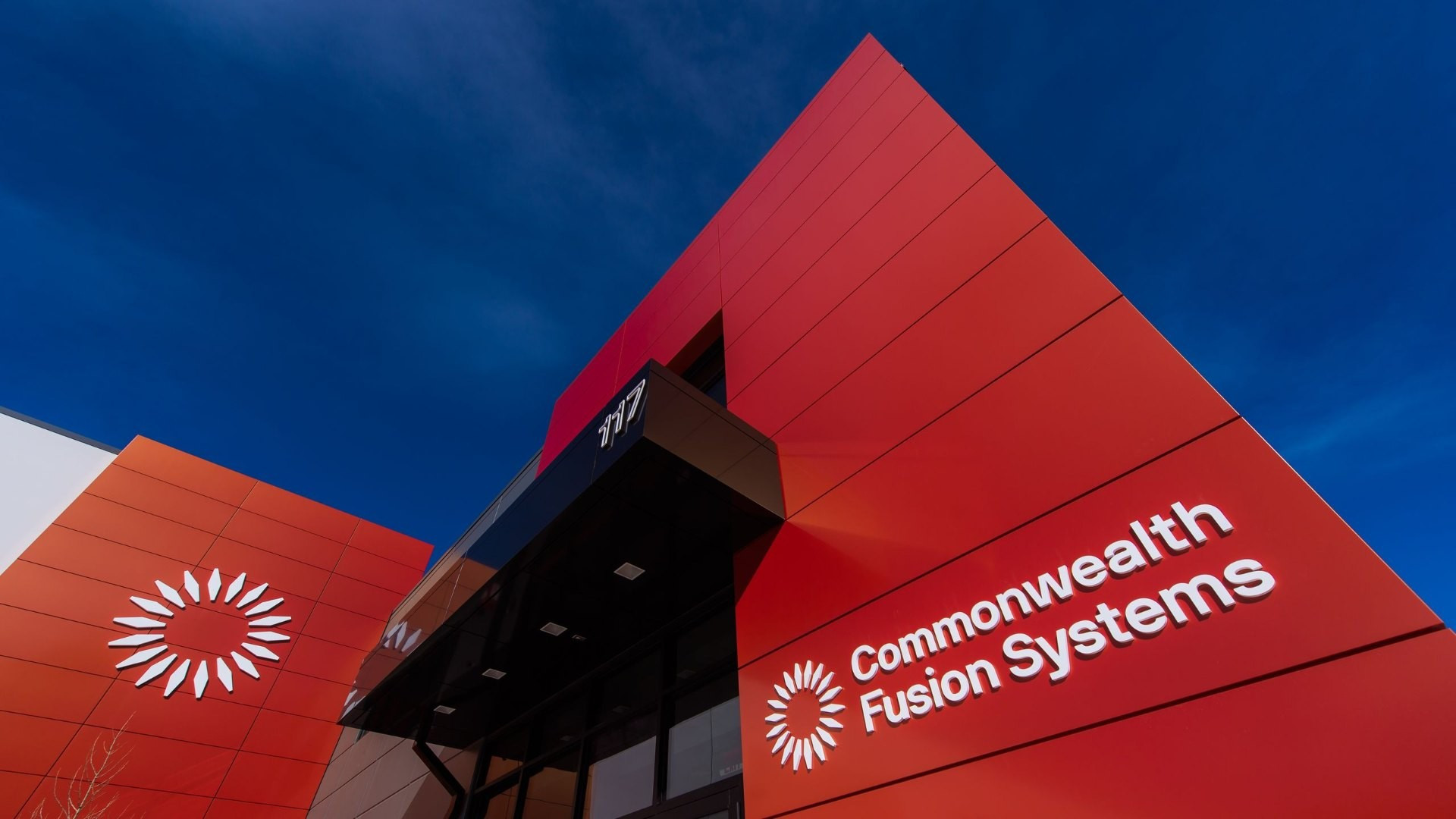
Commonwealth Fusion Systems (CFS), a U.S. fusion startup spun out of MIT, has struck a power purchase agreement with Italian energy company Eni valued at more than USD 1 billion to buy electricity from CFS’s planned 400-megawatt ARC reactor in Virginia, expected to be operational in the early 2030s. The deal is situated in Chesterfield County, near Richmond, not far from dense clusters of data centers, and it builds on a prior agreement with Google from June for 200 MW of the ARC plant’s output. Neither CFS nor Eni disclosed precise delivery timelines or detailed pricing under the Eni contract. The ARC project is part of CFS’s broader plan to commercialize fusion, following its demonstration initiative SPARC in Massachusetts, leveraging advanced high-temperature superconducting magnet technology and having raised nearly USD 3 billion in private funding so far.
Sources: TechCrunch, Reuters
Key Takeaways
– Major Vote of Confidence in Fusion’s Commercial Path: The Eni agreement shows that large energy firms are willing to lock in future fusion power even before the complete project costs and timeline are fully confirmed, indicating growing belief in fusion’s potential as a stable, zero-carbon baseload energy source.
– Strategic Ties with High-Demand Sectors: The location of the ARC reactor near data centers, plus previous deals like CFS’s with Google, hint at rising demand for reliable, clean power to support tech infrastructure and AI workloads, sectors with increasingly insatiable electricity needs.
– Technological and Financial Momentum, with Uncertainties: CFS has raised almost $3B, is pushing forward with its SPARC demonstration reactor, and is deploying advanced superconducting magnet tech. Still, ARC’s project cost, schedule, and ability to deliver on the promised fusion energy gains remain subject to engineering, regulatory, and materials challenges.
In-Depth
Fusion energy has long been one of those promises just over the horizon; decades of research have suggested its potential for virtually limitless, clean electricity, but making it practical and commercial has proved enormously difficult. Now, with the ARC reactor deal between Commonwealth Fusion Systems (CFS) and Eni, this hope seems to be tipping into something more concrete. CFS, leveraging technology originally developed at MIT, has built momentum: its SPARC pilot reactor is aiming to demonstrate net fusion output in a realistic setting, and the ARC plant is conceived as its first commercial-scale power plant (400 MW) to supply the grid. The Eni agreement—over USD 1B—is a large financial commitment to buy fusion-generated power from ARC in Virginia, even though the precise cost, timelines, and regulatory details are not yet fully locked in.
What makes this significant is that it isn’t just about research or promises; it’s about contracts. Eni and CFS are entering into binding arrangements that anticipate a future fusion source delivering gigawatts of electricity. Google’s earlier deal for 200 MW of ARC output underscored demand from tech firms for stable clean energy, particularly as data centers and AI workloads are becoming huge consumers of electricity. This marriage of demand with supply ambition gives fusion projects a stronger foundation.
Technically, CFS is relying on high-temperature superconducting magnets (a critical innovation) to build more compact, more efficient tokamak designs. The financing is large but not infinite; nearly USD 3 billion has been raised so far, which has allowed progress toward SPARC, engineering milestones, and planning for ARC. But the uncertainties remain: building fusion plants at scale implies solving for durability of materials under extreme conditions, rigorously validating that the net energy gain is sustained and cost-effective, scaling supply chains, managing permitting and regulation, and integrating into electric grids.
In short, the deal with Eni marks a turning point: fusion is moving from theoretical promise, through scientific demonstration, toward commercial contracts. If all goes well, ARC could begin delivering around the early 2030s, transforming the energy landscape. But getting there will require that CFS deliver on its technical goals, that policy and regulatory environments cooperate, and that costs are kept under control. The stakes are high, but for the first time in a long time, the trajectory toward fusion power seems plausibly real rather than wishful.