

Close Menu

    Subscribe to Updates

    Get the latest creative news from FooBar about art, design and business.

    What's Hot

    Memory Market Mayhem: RAM Prices Skyrocket and Could “10x” by 2026, Analysts Warn

    January 14, 2026

    Replit CEO: AI Outputs Often “Generic Slop”, Urges Better Engineering and “Vibe Coding”

    January 14, 2026

    Ralph Wiggum Plugin Emerges as a Trending Autonomous AI Coding Tool in Claude

    January 14, 2026
    Facebook X (Twitter) Instagram
    • Tech
    • AI News
    Facebook X (Twitter) Instagram Pinterest VKontakte
    TallwireTallwire
    • Tech

      Replit CEO: AI Outputs Often “Generic Slop”, Urges Better Engineering and “Vibe Coding”

      January 14, 2026

      Memory Market Mayhem: RAM Prices Skyrocket and Could “10x” by 2026, Analysts Warn

      January 14, 2026

      New Test-Time Training Lets Models Keep Learning Without Costs Exploding

      January 14, 2026

      Ralph Wiggum Plugin Emerges as a Trending Autonomous AI Coding Tool in Claude

      January 14, 2026

      Smart Ring Shake-Up: Oura’s Patent Win Shifts U.S. Market Landscape

      January 13, 2026
    • AI News
    TallwireTallwire
    Home»Tech»Google to Block Sideloading of ‘Unverified’ Android Apps Starting Next Year
    Tech

    Google to Block Sideloading of ‘Unverified’ Android Apps Starting Next Year

    Updated:December 25, 20252 Mins Read
    Facebook Twitter Pinterest LinkedIn Tumblr Email
    Google to Block Sideloading of ‘Unverified’ Android Apps Starting Next Year
    Google to Block Sideloading of ‘Unverified’ Android Apps Starting Next Year
    Share
    Facebook Twitter LinkedIn Pinterest Email

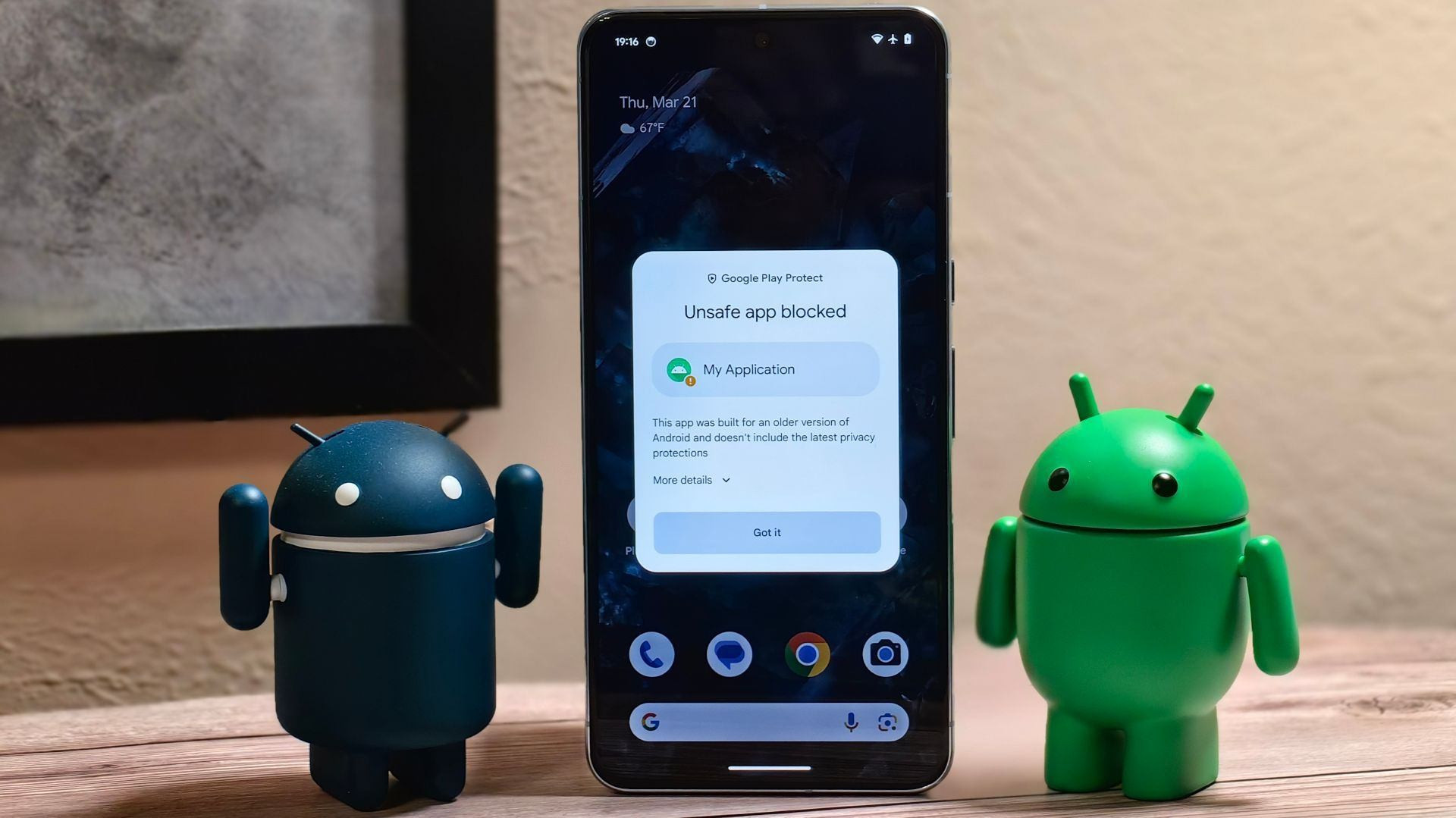
    Google has announced that beginning next year, Android devices will no longer allow sideloading of apps from developers who haven’t gone through a new identity-verification process—an approach the company likens to checking IDs at the airport. This move aims to bolster protection against malware, fraud, and untrustworthy code distributed outside the Play Store, reinforcing Google’s ongoing efforts to tighten app security by combining developer accountability with Play Protect’s technical safeguards.

    Sources: ARS Technica, Android Authority, Puri.sm

    Key Takeaways

    – Google will require developers of apps distributed outside the Play Store to verify their identity via a new Android Developer Console—only apps from verified developers can be sideloaded on certified Android devices.

    – An early-access program starts in October 2025, with broader rollout in 2026 and global implementation expected by 2027—beginning in countries like Brazil, Singapore, and Thailand to curb fraud where it’s most prevalent.

    – While the change improves security, critics warn it curtails Android’s openness and sideloading freedom, potentially stifling innovation and consolidating Google’s control over app distribution.

    In-Depth

    Google’s upcoming policy to block sideloading from unverified developers marks a pivotal shift in Android’s open-ecosystem philosophy. The company is introducing a new identity-verification process: developers will register via an Android Developer Console, similar to Google Play’s, submitting legal and contact details to gain “verified” status. The policy applies only to Android devices certified with Play Services, so uncertified systems may remain unaffected—but for most mainstream users, this effectively bars unverified apps outside Google’s walled garden.

    Launch is staged carefully: developers can opt into early access by October 2025, with full developer access in March 2026; geographic roll-out begins with high-risk regions in September 2026 and ramps globally through 2027. For Google, this isn’t a matter of policing app content—but user safety: Play Protect already scans apps for malware, but anonymity enables bad actors to distribute harmful apps undeterred.

    That said, the implications reach beyond security. Android’s sideloading support has long empowered hobbyists, indie developers, and situations where mainstream app stores fall short. Restricting unverified app installs could strip this flexibility, echoing more locked-down platforms. Observers argue that while the gains in reducing malware and fraud are clear, the cost may be diminished autonomy and innovation—arguably pushing Android closer to an Apple-style curated ecosystem.

    Share. Facebook Twitter Pinterest LinkedIn Tumblr Email
    Previous ArticleGoogle Teams With Qualcomm to Build Android-PC, Posing Fresh Threat to Windows
    Next Article Google to Pay $30M in YouTube Kids Data Settlement

    Related Posts

    Replit CEO: AI Outputs Often “Generic Slop”, Urges Better Engineering and “Vibe Coding”

    January 14, 2026

    Memory Market Mayhem: RAM Prices Skyrocket and Could “10x” by 2026, Analysts Warn

    January 14, 2026

    New Test-Time Training Lets Models Keep Learning Without Costs Exploding

    January 14, 2026

    Ralph Wiggum Plugin Emerges as a Trending Autonomous AI Coding Tool in Claude

    January 14, 2026
    Add A Comment
    Leave A Reply Cancel Reply

    Editors Picks

    Replit CEO: AI Outputs Often “Generic Slop”, Urges Better Engineering and “Vibe Coding”

    January 14, 2026

    Memory Market Mayhem: RAM Prices Skyrocket and Could “10x” by 2026, Analysts Warn

    January 14, 2026

    New Test-Time Training Lets Models Keep Learning Without Costs Exploding

    January 14, 2026

    Ralph Wiggum Plugin Emerges as a Trending Autonomous AI Coding Tool in Claude

    January 14, 2026
    Top Reviews
    Tallwire
    Facebook X (Twitter) Instagram Pinterest YouTube
    • Tech
    • AI News
    © 2026 Tallwire. Optimized by ARMOUR Digital Marketing Agency.

    Type above and press Enter to search. Press Esc to cancel.