

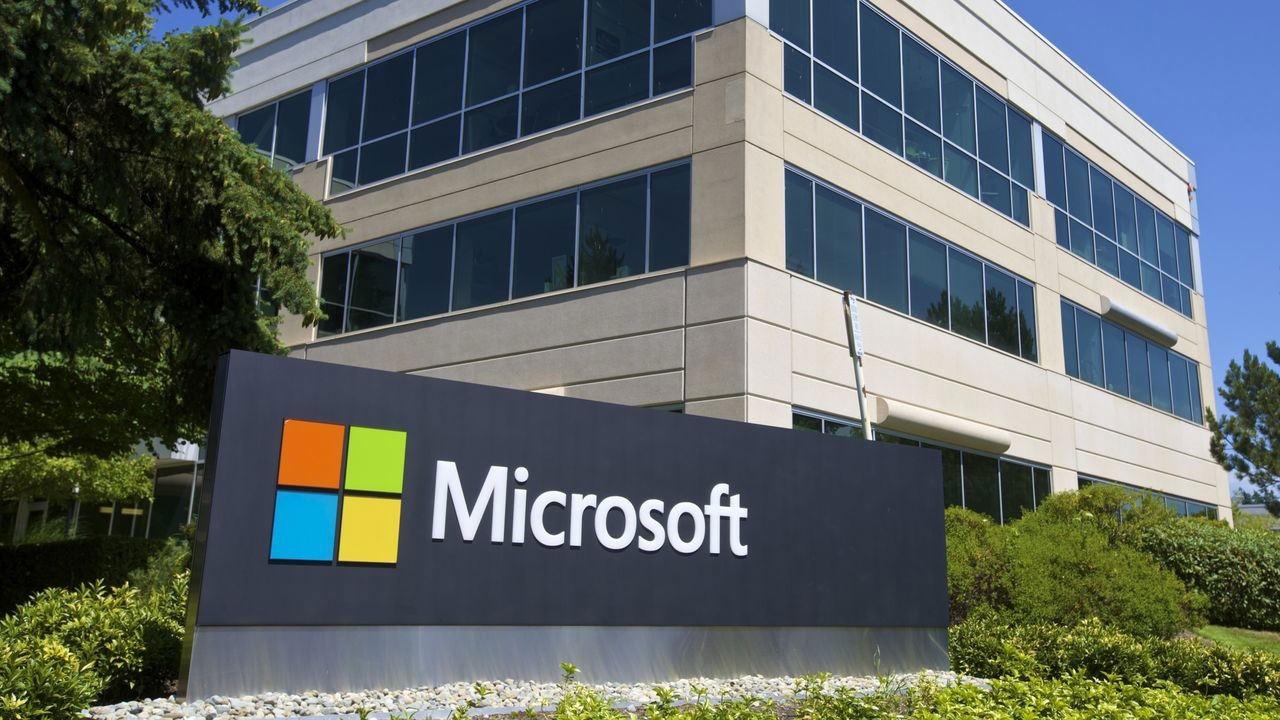
Microsoft has become the first major global tech giant to join the World Nuclear Association (WNA), a move that marks a bold step in its quest for carbon-free energy to power surging demands from data centers and AI infrastructure. The company is betting on small modular reactors (SMRs) and fusion as reliable solutions that can fill gaps left by intermittent renewables. To that end, Microsoft has already signed a 20-year power purchase agreement with Constellation Energy to restart the Crane Clean Energy Center (formerly Three Mile Island Unit 1) and is one of the earliest corporate partners to secure fusion energy from Helion. Through its Energy Technology team led by Dr. Melissa Lott, Microsoft will engage with WNA’s technical working groups to help streamline regulations, bolster supply chains, and pioneer commercial models that scale nuclear deployment. This partnership isn’t just about energy—it’s about laying a foundation for future digital resilience and climate progress.
Sources: Data Center Dynamics, World Nuclear, TechRadar
Key Takeaways
– Powering Tomorrow’s Infrastructure – Microsoft’s WNA membership underscores a commitment to consistent, carbon-free electricity via SMRs and fusion, beyond what wind and solar alone can support.
– Strategic Energy Deals in Play – With long-term agreements like the 20-year PPA for Three Mile Island and a fusion energy deal with Helion, Microsoft is investing in both current and emerging nuclear solutions.
– Industry-Wide Implications – Microsoft’s involvement brings credibility and attention to the nuclear sector, helping to promote regulatory efficiency, supply-chain resilience, and scalable energy models for the digital age.
In-Depth
Microsoft just made waves—and not just in tech—by joining the World Nuclear Association. This isn’t some symbolic move. It’s a calculated, business-savvy play to secure steady, carbon-free energy for its explosion of data centers and AI infrastructure. Renewables like wind and solar are great—but when the sun goes down or the wind welcomes a slow day, they can’t always carry the load. That’s where nuclear comes in, riding shotgun with reliability.
At the core of the announcement are Small Modular Reactors (SMRs) and fusion energy—technologies with big potential. SMRs are compact, scalable, and built to reduce upfront costs and deployment times. Fusion, still in its early stages, promises a cleaner, safer future if it pans out. Microsoft has already inked a 20-year power deal with Constellation Energy to revive the old Three Mile Island Unit 1 as the Crane Clean Energy Center. Plus, they’ve lined up one of the earliest corporate fusion agreements with Helion. These are not half-measures; these are long-term strategic bets.
Microsoft’s Energy Technology team, led by Dr. Melissa Lott, is diving into WNA working groups—helping shape regulatory frameworks, push for better supply-chain infrastructure, and test out new commercial models. It’s a smart move: align the tech sector’s future with nuclear’s steady hand, reduce reliance on uneven renewables, and signal to policymakers and markets that nuclear energy deserves a seat at the clean-energy table.
For energy policy watchers and business circles, Microsoft’s leap into the nuclear arena is more than just PR—it could be the tipping point for a new era of energy-grid thinking.