

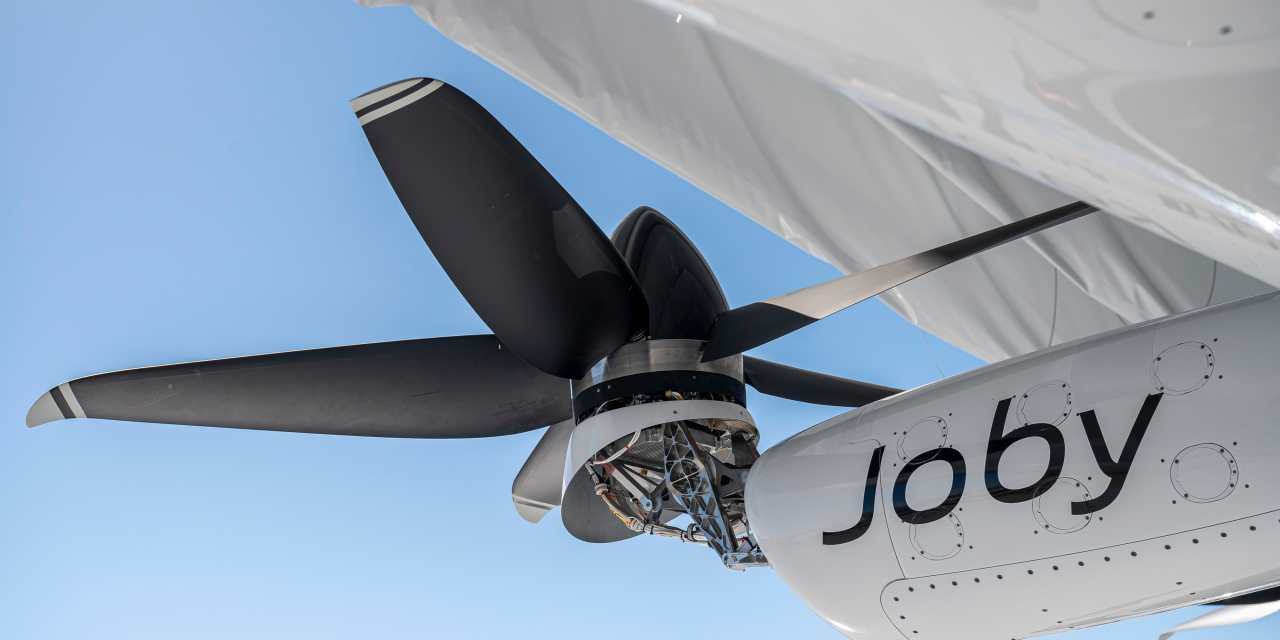
Uber and Joby Aviation have announced that starting as early as 2026, Blade Air Mobility’s helicopter and seaplane services will be integrated into the Uber app — first on high-demand routes such as New York City and Southern Europe. This move follows Joby’s purchase of Blade’s passenger business for around $125 million, while its medical‐transport operations remain separate. Though the initial launch will rely on conventional helicopters, the long‐term plan is to transition over to Joby’s electric vertical takeoff and landing (eVTOL) aircraft once regulatory approvals (particularly from the FAA) are in place. The deal also builds on past collaborations: Uber had previously set up the “Elevate” air taxi division, which Joby acquired in 2020, and Blade had already offered some limited helicopter service via Uber promotions.
Sources: Travel & Leisure, TechCrunch, Reuters
Key Takeaways
– Bridging Today and Tomorrow: The integration starts with traditional helicopters and seaplanes via Blade’s existing operations, but it is explicitly a stepping stone toward eVTOL deployment — quieter, cleaner, and aimed at meeting regulatory and environmental milestones.
– Strategic Market Selection: Launch markets are likely to include New York City and Southern Europe, especially in high‐density, high‐traffic airport routes (e.g. Manhattan to JFK or Newark), where the time savings are greatest and customer willingness to pay is higher.
– Challenges Ahead: Regulatory (FAA) certification for eVTOLs, noise and emissions concerns, safety oversight, cost and pricing, and scaling infrastructure (landing pads, charging stations) remain significant obstacles before full deployment of electric air taxis.
In-Depth
Uber’s announcement with Joby Aviation signals a notable shift in urban transportation: the ride-hail giant is set to offer helicopter and seaplane rides through its app starting in 2026, using Blade Air Mobility’s existing services. Priced today like premium helicopter transit (e.g. Manhattan to JFK or Newark), these initial services are meant to leverage demand in high-traffic corridors, where ground traffic delays can be unpredictable and severe. While this isn’t yet the futuristic flying taxi model many have speculated about, the move is clearly designed to lay the foundation for one.
Joby acquired Blade’s passenger operations for about $125 million, giving it access to a capital base, customer network, and infrastructure (heliports, terminals) that it otherwise would have had to build from scratch. This gives Joby a leg up in the competition among eVTOL startups — many of which are racing to get FAA approval, refine battery technology, reduce noise, and ensure safety. The plan is to rely initially on Blade’s helicopters and seaplanes, then phase in eVTOL aircraft once regulatory hurdles are cleared and the technology is sufficiently mature.
For users, this means that starting in “populated cities” with likely airport routes, booking a helicopter ride via Uber will become an option. But it will likely remain a niche, premium service, at least initially — pricing is expected to reflect that, and not everyone will find it accessible or necessary. Over time, as eVTOLs reduce operating costs, become quieter, and gain regulatory approval, the service may become more mainstream.
From a policy perspective, cities will have to grapple with noise, zoning, air traffic control, and safety oversight. Infrastructure investment (landing pads, charging or fueling facilities) will also be critical. For Uber and Joby, the deal underscores their long-standing collaboration: Uber’s Elevate was merged into Joby, Uber holds a stake in Joby, and Blade had already done small promotional flights via Uber.
If everything goes as planned, 2026 will mark the first step of a broader vision: urban air mobility that blends app-based ground rides with aerial segments, reducing travel times, easing congestion, and lowering environmental impact. But success depends not just on technology and investment, but regulatory alignment, public acceptance, cost control, and ensuring safety and reliability. This isn’t overnight, but it’s a meaningful push into what could be the next big chapter in how we move inside cities.