

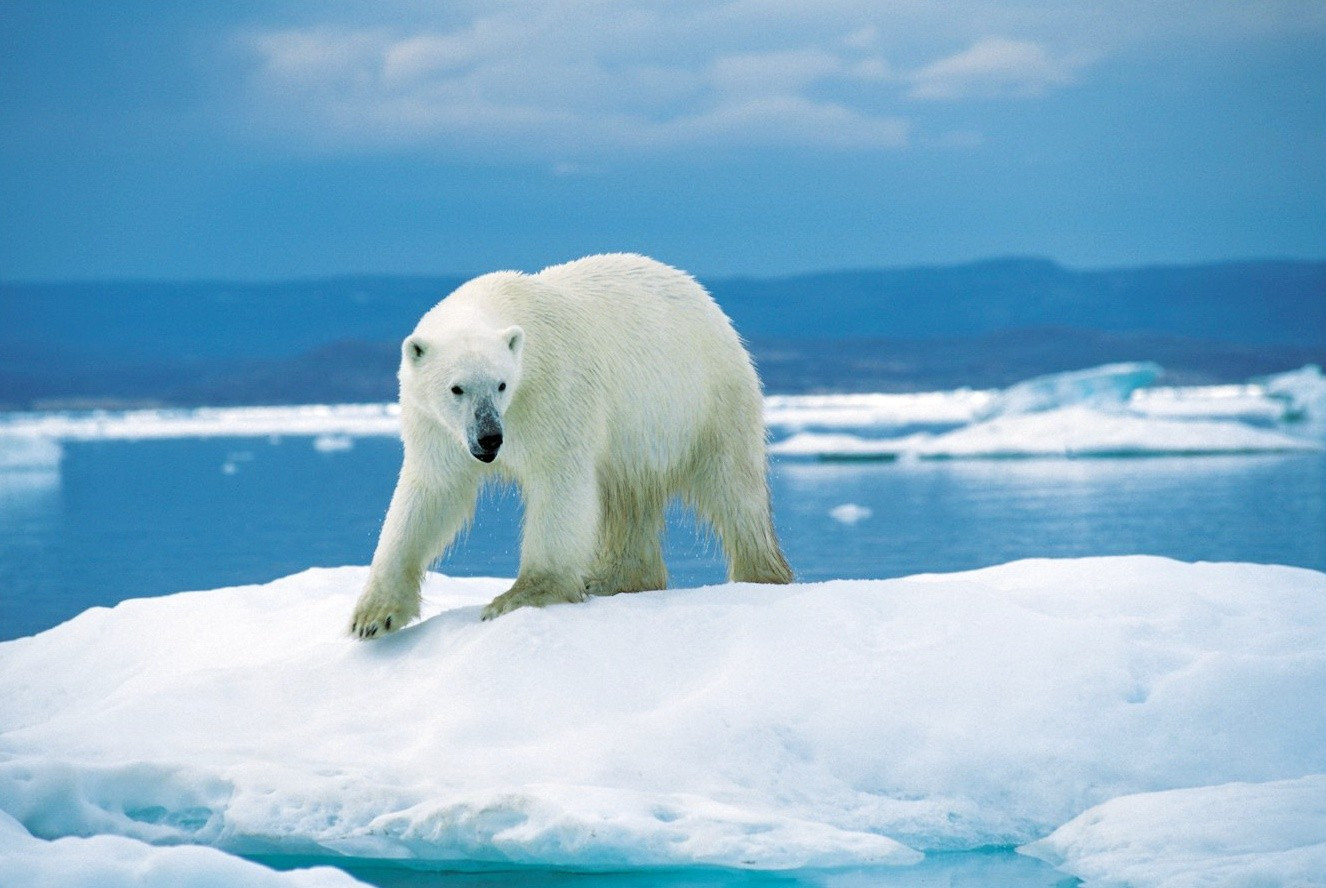
Researchers are deploying advanced radar systems powered by artificial intelligence to detect the presence of polar bears near Arctic communities, enabling early alerts and helping avert dangerous human-bear encounters while also supporting conservation efforts for the species. The initiative, led by organisations such as Polar Bears International in partnership with radar-technology firm Spotter Global, has moved from controlled testing (including a zoo setting in Winnipeg) to operational deployment in remote regions like Eureka, Nunavut. Beyond detection, the systems link to alert mechanisms (lights, alarms, texts) to give residents time to use non-lethal deterrents. At the same time, these technologies double as tools for tracking bear movements in a warming Arctic where sea ice loss forces more land-based bear activity and greater potential for conflict.
Sources: Weather.com, ArcticWWF.org
Key Takeaways
– AI-driven radar systems can now distinguish polar bears from other moving objects (humans, vehicles, other wildlife) in remote Arctic environments, enabling automated early alerts to communities.
– The increased time polar bears spend on land due to shrinking sea-ice is elevating risk of human-bear interactions; technology like this provides a non-lethal intervention option that benefits both public safety and conservation.
– Deployment of such systems in harsh conditions (extreme cold, darkness, snow) marks an important convergence of wildlife protection, community safety, and advanced tech — suggesting a model for other species/regions as climate pressures mount.
In-Depth
In the high Arctic, where shifts in climate are stretching the habitat of iconic species such as the polar bear, communities and conservationists alike face a rising dilemma: as sea ice retreats, bears spend more time on shore, wandering into human-occupied zones, often in search of food. This creates not only ecological concerns, but also direct safety risks for residents and tourists in remote northern hubs. Recognising this evolving challenge, a coalition of wildlife agencies and tech firms has advanced a new tool: radar systems fitted with artificial intelligence that can detect and alert to the presence of a polar bear before a potentially dangerous encounter.
One such system — dubbed “Bear-dar” — developed by the non-profit organisation Polar Bears International in collaboration with Spotter Global, uses medium-range radar to monitor wide tracts of tundra and coastline, while AI algorithms analyse radar signatures to identify when a moving object is a polar bear. Initial test phases took place at the Assiniboine Park Zoo in Winnipeg, where known bear movements and other activity gave the AI multiple data sets — distinguishing polar bear traces from those of people, cars, and other animals. The project then graduated to field trials in Churchill, Manitoba, and ultimately deployed in real-world conditions at Eureka, Nunavut. The system can trigger alarms, activate lights, or send text notifications to local responders when a bear is approaching a human-occupied area.
The practical implications are significant. Conventional bear-alert methods rely heavily on human patrols and visual spotting, which in Arctic conditions can be hampered by darkness, weather, and rough terrain. The radar-AI system provides a technological supplement, offering longer-range and 24-hour capability even in fog, snow or polar night. For residents of small northern communities, that extra notice matters: it gives them time to enact deterrents (noise makers, lights, flares) rather than resorting to lethal options. From the conservation perspective, it offers a tangible way to reduce bear-human conflict — a key factor not only for human safety but for bear survival, as frightened or habituated animals often face removal or harm.
Furthermore, the innovation is timely given alarming population trends. For example, studies indicate the western Hudson Bay subpopulation of polar bears has declined by nearly half since 1979, with sea-ice loss driving longer shore-bound periods and diminished hunting opportunities. The radar-AI approach thus serves a dual purpose: protecting people while providing researchers with data on bear movements, body condition, and land-use patterns in a changing Arctic. It also underscores a broader principle — that investment in high-tech conservation tools and early warning systems may become increasingly important as wildlife adapts to climate-driven habitat shifts.
As with any tech deployment in remote regions, practical questions remain: power supply in extreme cold, maintenance in harsh weather, false alarm rates and community acceptance of the system. But early reports suggest the radar-AI combination holds great promise for building coexistence models where wildlife and humans share shrinking landscapes. For communities and media makers alike — including content creators like yourself focused on environment-justice, technology and outreach — this story can serve as a case study of how conservative values of human safety, efficient tech investment and wildlife stewardship align to produce practical, real-world solutions.