

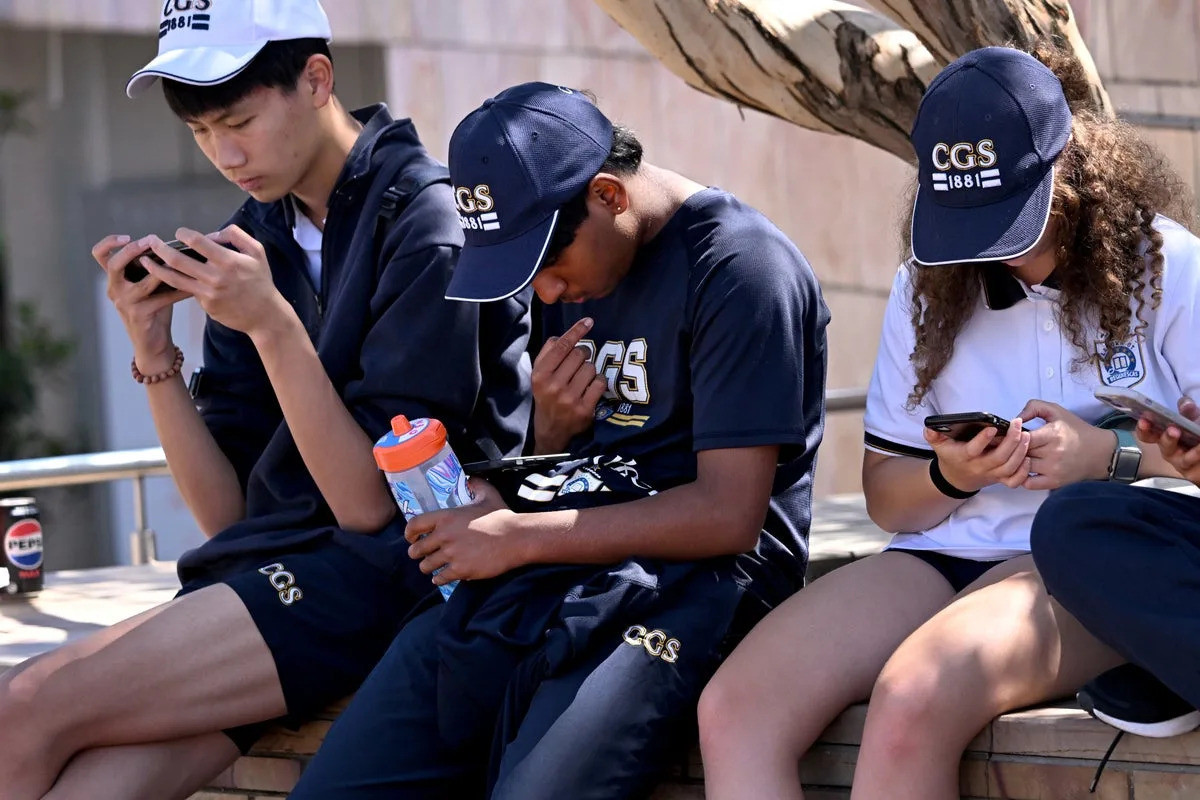
A campaign group backed by two 15-year-olds has filed a constitutional challenge in Australia’s High Court seeking to block a sweeping law that will ban children under 16 from holding accounts on major social media platforms. The law—passed last year as the Online Safety Amendment (Social Media Minimum Age) Act 2024—takes effect December 10, 2025, and requires platforms such as Facebook, Instagram, TikTok, Snapchat, X, YouTube and others to bar access for minors or face fines of up to AUD 50 million. The campaign argues the measure violates an implied constitutional right to political communication for youths and represents a “grossly excessive” infringement on free expression. The government, for its part, maintains the ban is necessary to protect children’s mental health and online safety, and has rejected efforts to delay its rollout.
Sources: Reuters, The Guardian
Key Takeaways
– The ban would deactivate over one million existing under-16 accounts across major social media platforms when it begins December 10, 2025.
– Plaintiffs argue the legislation violates youths’ implied constitutional right to political and social communication, potentially silencing future young voters.
– The government defends the law as a parental-safety measure, citing concerns over minors’ mental health, online bullying and exposure to harmful content.
In-Depth
Late November 2025 has become a pivotal moment in the global debate over youth access to social media, as Australia stands on the brink of enforcing what many are calling the world’s first nationwide under-16 social media ban. The law, which passed as the Online Safety Amendment (Social Media Minimum Age) Act 2024, requires major platforms—including Facebook, Instagram, TikTok, Snapchat, X (formerly Twitter), YouTube, Reddit, Twitch and more—to prevent sign-ups or ongoing access by users under the age of 16. Those who fail to comply risk fines of up to AUD 50 million. Effective December 10, the ban will lead to the immediate deactivation of over one million youth accounts.
On November 26, a campaign group calling itself the Digital Freedom Project (DFP) filed a constitutional challenge in Australia’s High Court on behalf of two 15-year-olds, Noah Jones and Macy Neyland, seeking an injunction to block the law. The group contends the legislation violates an implied constitutional guarantee of political communication—arguing that social media serves as a vital forum for civic engagement, social interaction, and youth voices. “We are the true digital natives,” one plaintiff said. “We shouldn’t be silenced.” The challenge describes the blanket under-16 ban as “grossly excessive,” depriving young people of meaningful political and social participation at a formative stage of life.
Supporters of the law—led by the government under Anthony Albanese and Anika Wells—respond that the legislation is a necessary step to protect children from the well-documented harms of social media: online bullying, misinformation, predatory content and adverse effects on mental health and self-esteem. The measure is pitched as a parental-safety tool rather than censorship, and officials have rejected calls for parental consent or delayed implementation. Platforms and governments worldwide are watching closely, as the outcome could influence similar legislation elsewhere.
Critics warn the ban could backfire—pushing youths toward unregulated platforms, VPNs, or fake accounts, with inadequate oversight. Others point out the disproportionate impact on vulnerable groups: rural youth, disabled adolescents, LGBTIQ youth, and those who rely on social media for ideological, educational, or community connection. The DFP suggests age-appropriate safeguards—digital-literacy education, verification tools, and moderated but not blanket exclusion—would be a more balanced alternative.
The coming days could see the High Court decide whether to grant an injunction. If successful, the ban might be delayed or overturned—preserving under-16 access. If not, Australia will move ahead with enforcing what could be a model (or warning) for global social media regulation. The stakes are high: the decision touches on free expression, governmental reach, youth rights, parental authority, and the evolving role of social media in modern civic life.