

Close Menu

    Subscribe to Updates

    Get the latest tech news from Tallwire.

      What's Hot

      Federal Government Grants Five-Year Safety Exemption for Self-Driving Trucks

      October 10, 2026

      Trump Honors Six Technology Leaders With Nation’s Highest Science and Innovation Awards

      October 10, 2026

      Who Takes the Wheel When Nobody Is Driving?

      October 10, 2026
      Facebook X (Twitter) Instagram
      • Tech
      • AI
      • Get In Touch
      Facebook X (Twitter) LinkedIn
      TallwireTallwire
      • Tech

        Trump Honors Six Technology Leaders With Nation’s Highest Science and Innovation Awards

        October 10, 2026

        Micron Workers Authorize Strike in Taiwan as AI Chip Shortages Threaten Global Technology Markets

        October 10, 2026

        Poll Finds 64 Percent of Americans Believe Artificial Intelligence Is Developing Too Fast

        October 10, 2026

        SpaceX Challenges America’s Wireless Giants With Major Spectrum Acquisition

        October 10, 2026

        Musk Embraces Trump’s “Super Intelligence” Rebrand With SpaceXSI

        October 9, 2026
      • AI

        Federal Government Grants Five-Year Safety Exemption for Self-Driving Trucks

        October 10, 2026

        Micron Workers Authorize Strike in Taiwan as AI Chip Shortages Threaten Global Technology Markets

        October 10, 2026

        Watchdog Investigation Finds ChatGPT’s Teen Safety Protections Fail to Deliver on Promises

        October 10, 2026

        Poll Finds 64 Percent of Americans Believe Artificial Intelligence Is Developing Too Fast

        October 10, 2026

        Meta’s Muse Builds Detailed Profiles of Users’ Friends, Family and Colleagues

        October 9, 2026
      • Security

        Watchdog Investigation Finds ChatGPT’s Teen Safety Protections Fail to Deliver on Promises

        October 10, 2026

        FBI Arrests ShinyHunters Suspect Following Massive Security Breach Exposing Federal Agents’ Personal Data

        October 10, 2026

        Meta’s Muse Builds Detailed Profiles of Users’ Friends, Family and Colleagues

        October 9, 2026

        Federal Judge Rules Warrantless Flock Camera Search Violated Fourth Amendment

        October 9, 2026

        Norway Moves Toward Temporary Smart-Glasses Ban Over Growing Privacy Concerns

        October 7, 2026
      • Health

        AI Nurse Scheduling Raises Safety Concerns as Hospitals Turn to Automation

        October 9, 2026

        Short-Form Video Addiction May Be Eroding Teens’ Ability to Think About the Future

        October 8, 2026

        Nobel Prize Honors Scientists Who Learned to Control Brain Cells With Light

        October 8, 2026

        Kennedy Touts AI As A Powerful Second Opinion For American Patients

        October 1, 2026

        Oz Says AI Will Raise Healthcare Costs Before Driving Long-Term Savings

        September 30, 2026
      • Science

        Musk Embraces Trump’s “Super Intelligence” Rebrand With SpaceXSI

        October 9, 2026

        Cal State Bets Millions on AI as Students Question Whether It Will Save Their Jobs

        October 9, 2026

        Short-Form Video Addiction May Be Eroding Teens’ Ability to Think About the Future

        October 8, 2026

        Nobel Prize Honors Scientists Who Learned to Control Brain Cells With Light

        October 8, 2026

        Pentagon Backs Space-Based Solar Power Project With 2028 Orbital Test

        October 6, 2026
      • Tech

        Poll Finds 64 Percent of Americans Believe Artificial Intelligence Is Developing Too Fast

        October 10, 2026

        Meta’s Muse Builds Detailed Profiles of Users’ Friends, Family and Colleagues

        October 9, 2026

        AI Nurse Scheduling Raises Safety Concerns as Hospitals Turn to Automation

        October 9, 2026

        AI DJs Gain Ground as Radio Broadcasters Face a Fight Over Jobs and Human Connection

        October 9, 2026

        ‘Tinder Swindler’ Reinvents Himself With ‘Scam-Proof’ Dating App

        October 8, 2026
      TallwireTallwire
      Home»Tech»Digital Detox Gains Ground as Screen-Time Backlash Mounts
      Tech

      Digital Detox Gains Ground as Screen-Time Backlash Mounts

      4 Mins Read
      Facebook Twitter Pinterest LinkedIn Tumblr Email
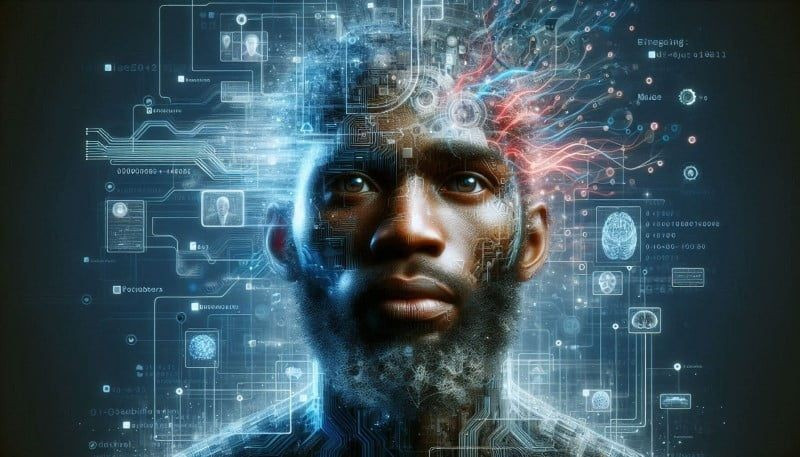
      Digital Detox Gains Ground as Screen-Time Backlash Mounts
      Digital Detox Gains Ground as Screen-Time Backlash Mounts
      Share
      Facebook Twitter LinkedIn Pinterest Email

      The push to unplug from devices is becoming more mainstream, as more adults and young people embrace a “digital detox” to reduce screen time and restore mental-wellness equilibria. According to a feature in The Epoch Times, wellness experts say modest reductions in daily digital engagement can alleviate symptoms of depression, improve sleep, and lower cortisol levels. Supporting this, recent research at Georgetown University shows even partial screen-time reduction correlated with meaningful improvements in mood, anxiety, and focus. A systematic study from BMC Medicine found that reducing smartphone use to two hours or less over three weeks in young adults produced significant gains in sleep quality, lower stress, and fewer depressive symptoms. Together, these pieces of evidence suggest that the widespread cultural tension against constant connectivity is turning into actionable wellness strategies.

      Sources: Epoch Times, Georgetown.edu

      Key Takeaways

      – Reducing screen time, even modestly, has measurable benefits for mood, sleep and stress levels.

      – The digital-detox trend crosses generational lines, with both younger and older users seeking relief from constant connectivity.

      – While full device abstinence is not required to see improvement, intentional limitation of digital engagement and digital-free zones can enhance focus, presence, and emotional well-being.

      In-Depth

      In our hyper-connected era, the idea of stepping away from screens is no longer a niche self-help tactic—it’s fast becoming a mainstream component of wellness strategy. The trend toward a “digital detox” is driven in part by growing recognition that the tools built to keep us engaged (smartphones, apps, social platforms) may also undermine our mental clarity, sleep patterns and overall emotional health. The deep-dive feature in The Epoch Times illustrates how health experts are alerting us to the hidden costs of screen overload: elevated cortisol, degraded sleep and diminished presence.

      What makes this wave especially interesting for those watching wellness and culture is how it ties into broader trends of intentional living and minimizing distraction. The Georgetown University article reveals that even partial reduction—say, turning off internet access on a phone for part of the day—can yield sizable gains. Participants in the study who reduced phone internet access for two weeks saw improved mood and focus. This highlights an important point: you don’t necessarily have to go fully “unplugged” to get value. Intentionality matters.

      Meanwhile, the BMC Medicine randomized study adds some scientific heft. In that trial, young adults who cut their smartphone use to two hours a day or less for three weeks posted measurable improvements in sleep quality, lower depressive symptoms and less stress. It’s hard to ignore when the data point toward a causal relationship between screen time and mental-health markers.

      From a conservative-leaning perspective, the digital detox movement resonates with values of personal responsibility, self-discipline and protecting the primacy of real-world relationships. Rather than assuming technology is benign or unstoppable, this outlook says: Yes, technology has useful roles—but it doesn’t have to dominate our lives. Unplugging or limiting use becomes a tool of agency. It aligns with the idea that power ultimately lies in the individual to set boundaries, not simply surrender to 24/7 connectivity.

      And there are practical knock-on benefits: sharper focus, more meaningful face-to-face interaction, clearer separation between work and rest, and the room for deeper thought and creativity. Especially for professionals and creators—such as podcasters, writers, marketers—who depend on clarity and presence, reducing digital noise can sharpen the edge.

      Of course, it’s not a panacea. Some reviews note that while depressive symptoms can drop, broader life satisfaction gains are less certain. But that doesn’t undercut the shift itself—it simply signals that digital detox is one component among others (exercise, social connection, purposeful work) in a holistic wellness regimen.

      In conclusion: The rising momentum behind unplugging isn’t simply a trend—it’s a sign that many people are questioning the cost of constant connectivity. The data suggest that when we choose to place limits on screen time, we often reclaim something valuable—more restful nights, sharper focus and the ability to engage more deeply with life beyond the feed. For those committed to self-possession, real-world connection and clarity of mind, the digital-detox movement offers a timely and practical path.

      Share. Facebook Twitter Pinterest LinkedIn Tumblr Email
      Previous ArticleDeloitte Draws Fresh Scrutiny Over AI-Generated Errors in Government Reports
      Next Article Director Guillermo del Toro Sounds Alarm On AI-Generated Art

      Related Posts

      Trump Honors Six Technology Leaders With Nation’s Highest Science and Innovation Awards

      October 10, 2026

      Micron Workers Authorize Strike in Taiwan as AI Chip Shortages Threaten Global Technology Markets

      October 10, 2026

      Poll Finds 64 Percent of Americans Believe Artificial Intelligence Is Developing Too Fast

      October 10, 2026

      SpaceX Challenges America’s Wireless Giants With Major Spectrum Acquisition

      October 10, 2026
      Add A Comment
      Leave A Reply Cancel Reply

      Editors Picks

      Trump Honors Six Technology Leaders With Nation’s Highest Science and Innovation Awards

      October 10, 2026

      Micron Workers Authorize Strike in Taiwan as AI Chip Shortages Threaten Global Technology Markets

      October 10, 2026

      Poll Finds 64 Percent of Americans Believe Artificial Intelligence Is Developing Too Fast

      October 10, 2026

      SpaceX Challenges America’s Wireless Giants With Major Spectrum Acquisition

      October 10, 2026
      Popular Topics
      SpaceX Sundar Pichai Satya Nadella Viral Samsung starlink Taiwan Tech Software UAE Tech trending Space Stocks Series A Tesla Cybertruck Satellite Series B Tesla spotlight Tim Cook Startup
      Major Tech Companies
      • Apple News
      • Google News
      • Meta News
      • Microsoft News
      • Amazon News
      • Samsung News
      • Nvidia News
      • OpenAI News
      • Tesla News
      • AMD News
      • Anthropic News
      • Elbit News
      AI & Emerging Tech
      • AI Regulation News
      • AI Safety News
      • AI Adoption
      • Quantum Computing News
      • Robotics News
      Key People
      • Sam Altman News
      • Jensen Huang News
      • Elon Musk News
      • Mark Zuckerberg News
      • Sundar Pichai News
      • Tim Cook News
      • Satya Nadella News
      • Mustafa Suleyman News
      Global Tech & Policy
      • Israel Tech News
      • India Tech News
      • Taiwan Tech News
      • UAE Tech News
      Startups & Emerging Tech
      • Series A News
      • Series B News
      • Startup News
      Tallwire
      Facebook X (Twitter) LinkedIn Threads Instagram RSS
      • Tech
      • Entertainment
      • Business
      • Government
      • Academia
      • Transportation
      • Legal
      • Press Kit
      © 2026 Tallwire. Optimized by ARMOUR Digital Marketing Agency.

      Type above and press Enter to search. Press Esc to cancel.