

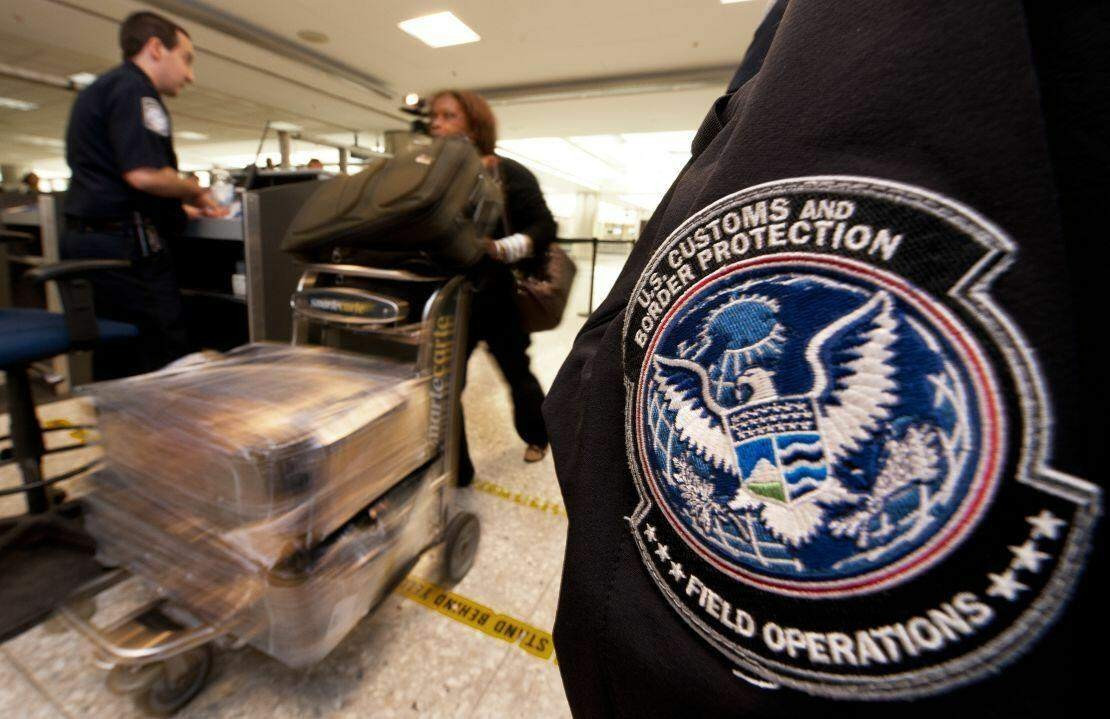
The U.S. government is proposing a new rule that would require most foreign visitors from visa-waiver countries to provide up to five years of their social media history as part of the Electronic System for Travel Authorization (ESTA) application before entering the United States, significantly expanding data collection beyond current practices to include phone numbers, email history, and potentially other personal information, with the goal of enhancing national security but sparking criticism over privacy concerns and potential impacts on tourism.
Sources: Epoch Times, Reuters
Key Takeaways
– The proposal would make disclosure of five years of social media activity mandatory for travelers from visa-waiver countries when applying through ESTA.
– Additional personal data fields, such as past phone numbers, email addresses, and family information, could also be required under the rule.
– Critics warn that the expanded vetting may deter tourism, raise privacy issues, and strain diplomatic relations with allied countries.
In-Depth
The latest proposal from the U.S. government signals a major shift in how international travelers are screened before entering the country. Under this planned rule, individuals visiting from the 42 countries in the visa waiver program — including many European allies, Australia, Japan, and others — would be required to include detailed personal information as part of their travel authorization process. Most notably, applicants would need to disclose up to five years of social media history as a mandatory data point when submitting their Electronic System for Travel Authorization (ESTA) applications. This moves beyond the current standard, where providing social media details has largely been optional and limited, to a broad, compulsory transparency into an individual’s online past.
Proponents within the Department of Homeland Security and U.S. Customs and Border Protection argue that integrating social media history into the vetting process enhances national security screening and helps identify potential threats before they arrive. They contend that sweeping global events and evolving security challenges call for more comprehensive background checks and that using online data can support traditional vetting methods by corroborating identity and travel history.
However, the response from privacy advocates, travel industry representatives, and even allied governments has been sharply critical. Opponents warn that such intrusive requirements risk deterring visitors, harming U.S. tourism and economic interests, and infringing on fundamental privacy rights. Many international travelers see these proposals as overly invasive, with some already choosing alternative destinations or reconsidering travel plans in response. They also argue that mandatory social media scrutiny could chill free expression, as people may self-censor online out of fear that their personal views might affect their ability to enter the U.S.
Compounding these concerns is the possible expansion of data collection beyond social media. Discussions around allowing authorities to request past phone numbers, email histories stretching back a decade, and detailed familial information have raised additional alarms about the breadth of personal data that might be subject to review. There’s also speculation about future inclusion of biometric data, such as fingerprints or other identifiers, though such specifics are still evolving and subject to public comment.
Businesses and travel groups have weighed in, stressing that while safety is paramount, the approach must strike a balance that doesn’t unduly burden legitimate visitors or weaken the attractiveness of the U.S. as a destination. As public commentary continues and policymakers weigh the feedback, this proposal could alter how nearly every tourist and short-term visitor experiences travel to the United States in the years ahead.