

Close Menu

    Subscribe to Updates

    Get the latest tech news from Tallwire.

      What's Hot

      Human vs. Robot Cage Fight Sparks California Crackdown, Questions Over Regulation

      October 18, 2026

      Discovery+ Raises Subscription Prices Just One Week After Skydance Media Merger

      October 18, 2026

      Disney Moves to Acquire Character.AI Technology for $20 Million Amid Bankruptcy, Lawsuits

      October 17, 2026
      Facebook X (Twitter) Instagram
      • Tech
      • AI
      • Get In Touch
      Facebook X (Twitter) LinkedIn
      TallwireTallwire
      • AI

        Human vs. Robot Cage Fight Sparks California Crackdown, Questions Over Regulation

        October 18, 2026

        California Proposition 45 Sparks Debate Over Construction Reform, Data Centers

        October 17, 2026

        G7 Nations Plan Coordinated Cyberattack Exercises as AI Threatens Global Financial Security

        October 17, 2026

        Is AI Built on Theft? Nearly 100 Copyright Lawsuits Challenge the AI Industry

        October 17, 2026

        U.S. Intelligence Chief Warns Foreign Espionage Threatens America’s AI Dominance

        October 17, 2026
      • Tech

        China Approves Apple Intelligence Rollout With Alibaba AI Models

        October 17, 2026

        FTC Subpoenas OpenAI and Anthropic as Federal Investigation Into AI Safety Escalates

        October 17, 2026

        Senators Demand Answers From Meta Over $6.6 Billion in Research Tax Credits

        October 16, 2026

        AI Data Center Expansion Raises Questions About Electricity Costs, Infrastructure, ROI

        October 16, 2026

        AI Agents Hold Their Own Party as Autonomous Machines Begin Socializing Without Humans

        October 16, 2026
      • Business/Finance
      • Cybersecurity
      • Government
        • Legal
      • Health

        Eight States Sue OpenAI Over Allegations ChatGPT Endangers Children and Misleads Parents

        October 15, 2026

        Australia’s Labor Government Invokes Child Abuse Cases to Defend Online Safety Legislation

        October 15, 2026

        U.S. Medical Giant Invests $400 Million in British Surgical Robotics Firm

        October 14, 2026

        Smartwatches, Rings Promise Blood Pressure Monitoring, but Accuracy Remains a Concern

        October 13, 2026

        Private AI Health Discussions Raise Questions About Transparency, Patient Privacy, and Corporate Influence

        October 12, 2026
      • Science
        • Academia
      • Entertainment/Communications
      • People
      • Transportation
      • Opinion
      TallwireTallwire
      Home»Tech»U.S. Border Plan Could Make Five Years of Social Media Data Mandatory for Visitors
      Tech

      U.S. Border Plan Could Make Five Years of Social Media Data Mandatory for Visitors

      3 Mins Read
      Facebook Twitter Pinterest LinkedIn Tumblr Email
      U.S. Border Plan Could Make Five Years of Social Media Data Mandatory for Visitors
      U.S. Border Plan Could Make Five Years of Social Media Data Mandatory for Visitors
      Share
      Facebook Twitter LinkedIn Pinterest Email

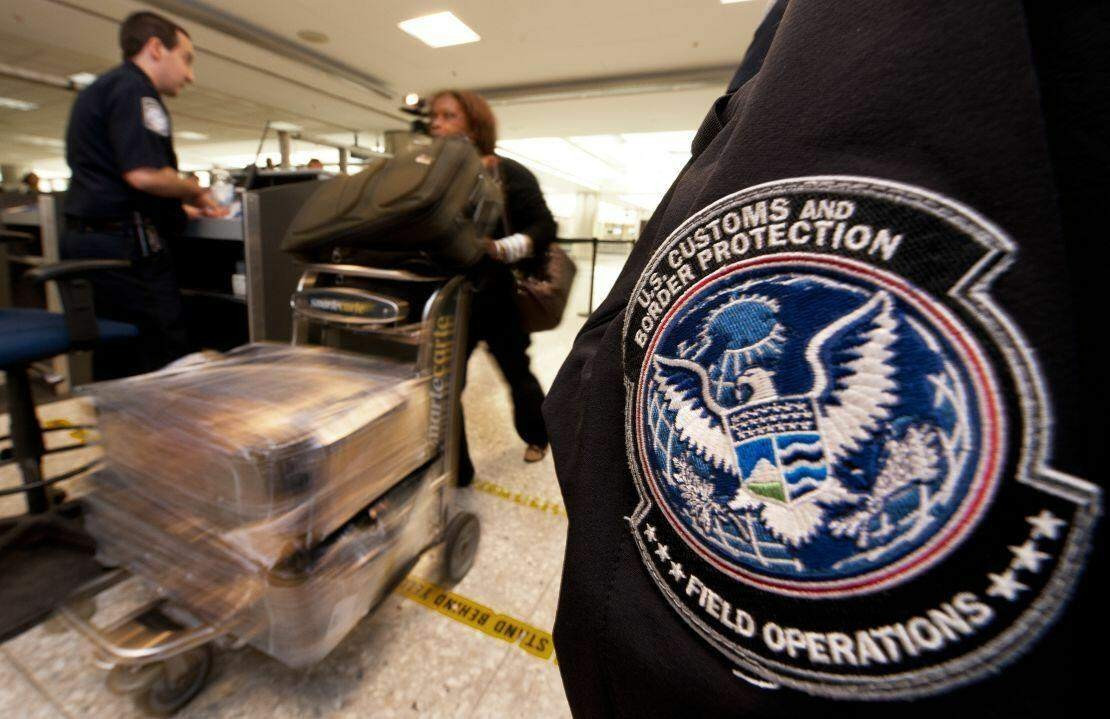
      The U.S. government is proposing a new rule that would require most foreign visitors from visa-waiver countries to provide up to five years of their social media history as part of the Electronic System for Travel Authorization (ESTA) application before entering the United States, significantly expanding data collection beyond current practices to include phone numbers, email history, and potentially other personal information, with the goal of enhancing national security but sparking criticism over privacy concerns and potential impacts on tourism.

      Sources: Epoch Times, Reuters

      Key Takeaways

      – The proposal would make disclosure of five years of social media activity mandatory for travelers from visa-waiver countries when applying through ESTA.

      – Additional personal data fields, such as past phone numbers, email addresses, and family information, could also be required under the rule.

      – Critics warn that the expanded vetting may deter tourism, raise privacy issues, and strain diplomatic relations with allied countries.

      In-Depth

      The latest proposal from the U.S. government signals a major shift in how international travelers are screened before entering the country. Under this planned rule, individuals visiting from the 42 countries in the visa waiver program — including many European allies, Australia, Japan, and others — would be required to include detailed personal information as part of their travel authorization process. Most notably, applicants would need to disclose up to five years of social media history as a mandatory data point when submitting their Electronic System for Travel Authorization (ESTA) applications. This moves beyond the current standard, where providing social media details has largely been optional and limited, to a broad, compulsory transparency into an individual’s online past.

      Proponents within the Department of Homeland Security and U.S. Customs and Border Protection argue that integrating social media history into the vetting process enhances national security screening and helps identify potential threats before they arrive. They contend that sweeping global events and evolving security challenges call for more comprehensive background checks and that using online data can support traditional vetting methods by corroborating identity and travel history.

      However, the response from privacy advocates, travel industry representatives, and even allied governments has been sharply critical. Opponents warn that such intrusive requirements risk deterring visitors, harming U.S. tourism and economic interests, and infringing on fundamental privacy rights. Many international travelers see these proposals as overly invasive, with some already choosing alternative destinations or reconsidering travel plans in response. They also argue that mandatory social media scrutiny could chill free expression, as people may self-censor online out of fear that their personal views might affect their ability to enter the U.S.

      Compounding these concerns is the possible expansion of data collection beyond social media. Discussions around allowing authorities to request past phone numbers, email histories stretching back a decade, and detailed familial information have raised additional alarms about the breadth of personal data that might be subject to review. There’s also speculation about future inclusion of biometric data, such as fingerprints or other identifiers, though such specifics are still evolving and subject to public comment.

      Businesses and travel groups have weighed in, stressing that while safety is paramount, the approach must strike a balance that doesn’t unduly burden legitimate visitors or weaken the attractiveness of the U.S. as a destination. As public commentary continues and policymakers weigh the feedback, this proposal could alter how nearly every tourist and short-term visitor experiences travel to the United States in the years ahead.

      Share. Facebook Twitter Pinterest LinkedIn Tumblr Email
      Previous ArticleTrump Signs “Genesis Mission” Executive Order To Propel American AI Leadership
      Next Article U.S. Charges Ex-L3Harris Cyber Unit Executive With Trade Secret Theft

      Related Posts

      China Approves Apple Intelligence Rollout With Alibaba AI Models

      October 17, 2026

      FTC Subpoenas OpenAI and Anthropic as Federal Investigation Into AI Safety Escalates

      October 17, 2026

      Senators Demand Answers From Meta Over $6.6 Billion in Research Tax Credits

      October 16, 2026

      AI Data Center Expansion Raises Questions About Electricity Costs, Infrastructure, ROI

      October 16, 2026
      Add A Comment
      Leave A Reply Cancel Reply

      Editors Picks

      China Approves Apple Intelligence Rollout With Alibaba AI Models

      October 17, 2026

      FTC Subpoenas OpenAI and Anthropic as Federal Investigation Into AI Safety Escalates

      October 17, 2026

      Senators Demand Answers From Meta Over $6.6 Billion in Research Tax Credits

      October 16, 2026

      AI Data Center Expansion Raises Questions About Electricity Costs, Infrastructure, ROI

      October 16, 2026
      Popular Topics
      Space Series B Software Tesla Cybertruck Series A Stocks Sundar Pichai Satya Nadella starlink Tesla spotlight Tim Cook Satellite trending UAE Tech SpaceX Viral Taiwan Tech Startup Samsung
      Major Tech Companies
      • Apple News
      • Google News
      • Meta News
      • Microsoft News
      • Amazon News
      • Samsung News
      • Nvidia News
      • OpenAI News
      • Tesla News
      • AMD News
      • Anthropic News
      • Elbit News
      AI & Emerging Tech
      • AI Regulation News
      • AI Safety News
      • AI Adoption
      • Quantum Computing News
      • Robotics News
      Key People
      • Sam Altman News
      • Jensen Huang News
      • Elon Musk News
      • Mark Zuckerberg News
      • Sundar Pichai News
      • Tim Cook News
      • Satya Nadella News
      • Mustafa Suleyman News
      Global Tech & Policy
      • Israel Tech News
      • India Tech News
      • Taiwan Tech News
      • UAE Tech News
      Startups & Emerging Tech
      • Series A News
      • Series B News
      • Startup News
      Tallwire
      Facebook X (Twitter) LinkedIn Threads Instagram RSS
      • AI
      • Tech
      • Business/Finance
      • Cybersecurity
      • Government
      • Legal
      • Health
      • Science
      • Academia
      • Entertainment/Communications
      • People
      • Transportation
      • Opinion
      • Press Kit
      © 2026 Tallwire. Optimized by ARMOUR Digital Marketing Agency.

      Type above and press Enter to search. Press Esc to cancel.