

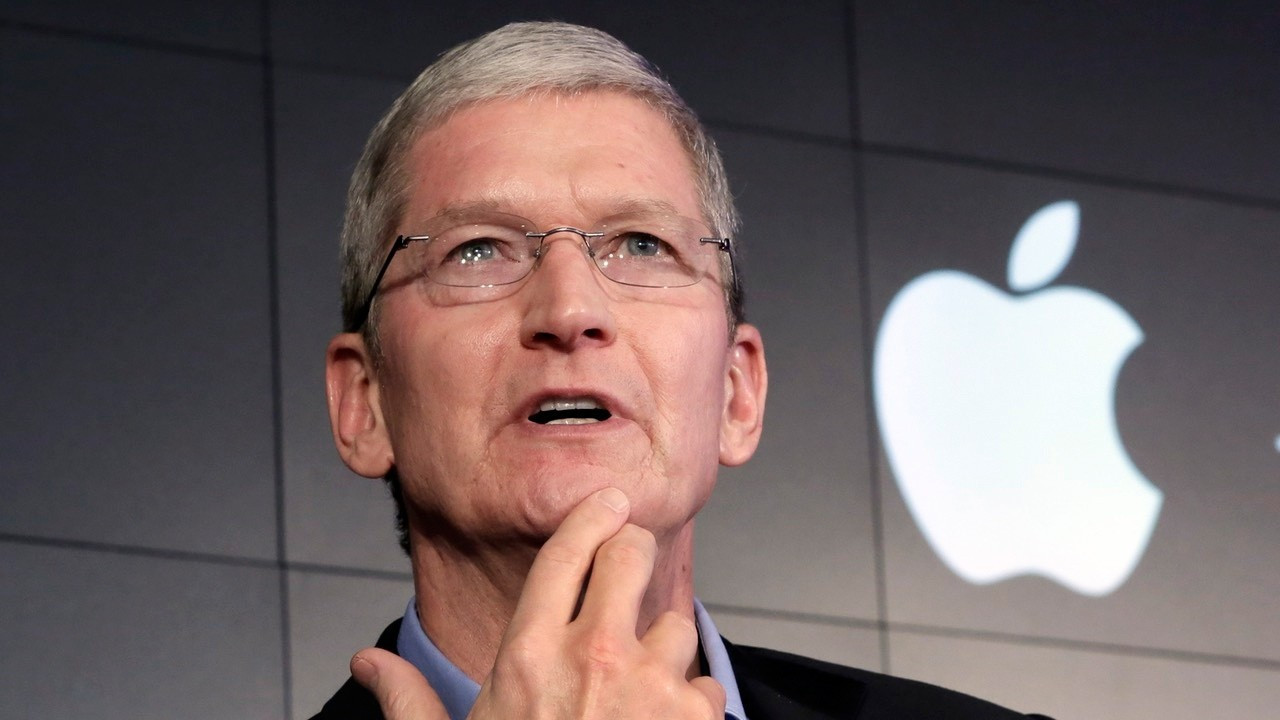
Tim Cook is stepping down as Apple‘s chief executive after 15 years, handing control to longtime hardware engineering chief John Ternus on September 1 while remaining with the company as executive chairman. The carefully planned transition comes at a pivotal moment, just days before Apple’s September 9 product event, where the company is expected to unveil its newest iPhone lineup and potentially its long-awaited first foldable iPhone. Ternus inherits a financially formidable company but also one facing pressure to demonstrate renewed product innovation, compete more effectively in artificial intelligence and navigate supply-chain constraints. The anticipated foldable iPhone could provide an early test of whether Apple’s new leadership can translate its traditional hardware strengths into another significant growth cycle.
Key Takeaways
- Tim Cook ends his 15-year tenure as Apple CEO on August 31 and becomes executive chairman, while John Ternus assumes the chief executive position September 1.
- Ternus faces an unusually immediate leadership test, with Apple preparing for a September 9 product event expected to include its newest iPhones and potentially the company’s first foldable smartphone.
- Apple’s leadership change appears structured around continuity, but Ternus will nevertheless face pressure to accelerate innovation, strengthen Apple’s artificial-intelligence position and demonstrate that the company can create new sources of growth beyond its established product ecosystem.
In-Depth
Tim Cook’s final day as Apple chief executive closes a 15-year tenure defined less by the disruptive product launches associated with Steve Jobs than by operational discipline, global expansion and financial growth. Cook becomes executive chairman September 1, while longtime hardware engineering leader John Ternus takes over as CEO. The timing places Ternus under scrutiny: Apple’s September 9 product event is expected to feature its next iPhone lineup and potentially the company’s first foldable handset.
The transition appears designed to preserve continuity rather than invite corporate upheaval. Ternus has spent roughly a quarter-century at Apple and has overseen hardware engineering across major product lines. That background may prove important as the company confronts criticism that recent innovations have been incremental while competitors moved aggressively into artificial intelligence and foldable devices.
The expected foldable iPhone therefore carries significance beyond another premium smartphone. Apple is entering a category already established by rivals, and analysts expect foldables to remain one of the stronger areas of a difficult global handset market. A successful launch could demonstrate that Apple can still enter an existing category late and reshape consumer expectations through engineering, software integration and its enormous customer base.
Cook, meanwhile, is not disappearing. His move to executive chairman preserves his experience and relationships, particularly with policymakers, while allowing Ternus to establish authority over products and operations. The arrangement gives Apple stability during a consequential leadership change, but responsibility for proving the company can produce its next generation of growth now shifts unmistakably to Ternus.
Sources
- https://www.apple.com/ca/newsroom/2026/04/tim-cook-to-become-apple-executive-chairman-john-ternus-to-become-apple-ceo/
- https://www.reuters.com/technology/apple-sets-sept-9-date-next-iphone-launch-event-2026-08-26/
- https://www.theverge.com/tech/986832/read-tim-cooks-final-message-as-ceo-to-apple-staff