

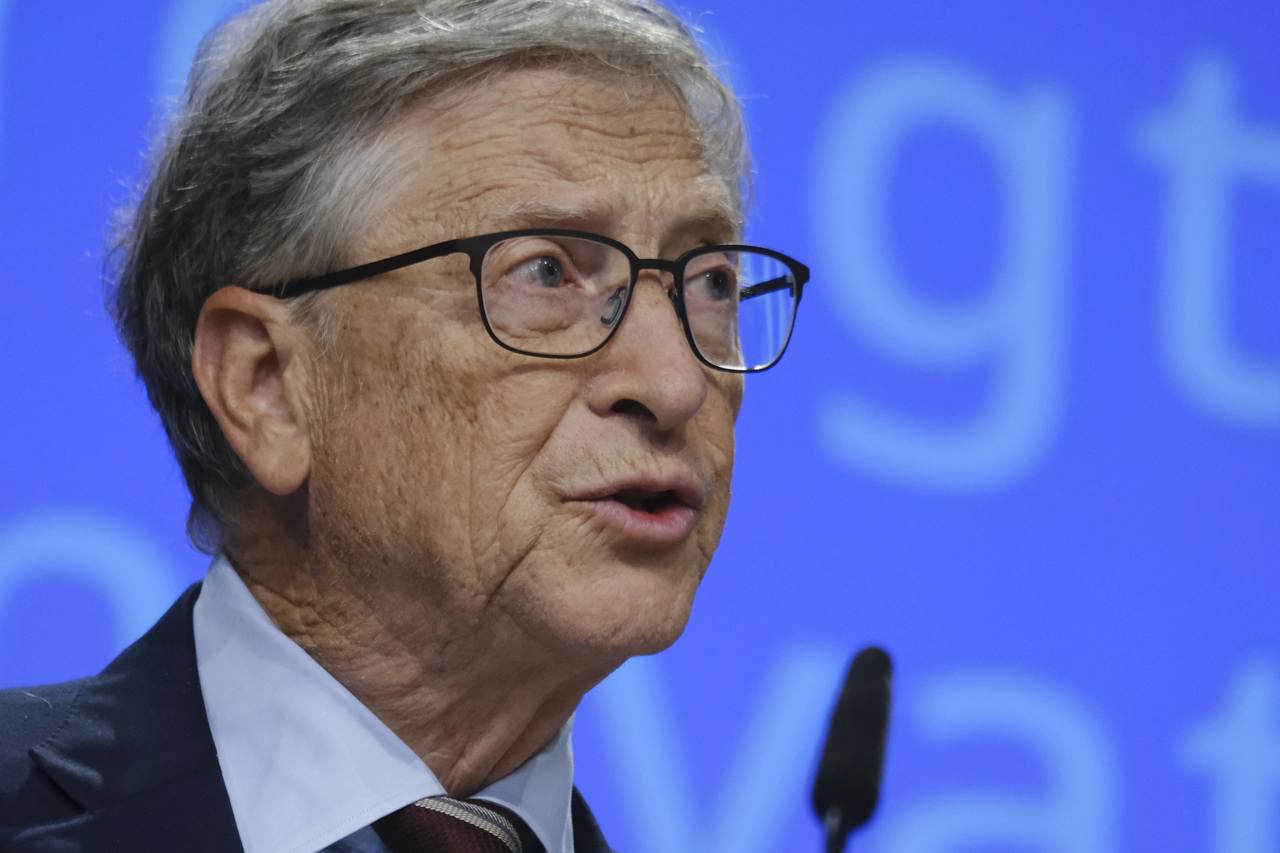
Microsoft co-founder Bill Gates is warning that artificial intelligence could unleash a significant escalation in cyberattacks over the next year as criminals exploit powerful technologies without adequate safeguards. Gates argues that the immediate danger is not autonomous AI escaping human control but malicious individuals weaponizing existing systems to penetrate financial institutions, extort businesses, steal sensitive information, and potentially facilitate biological terrorism. His warning comes amid mounting evidence that AI is making cybercrime faster, cheaper, and more accessible, with cybersecurity researchers documenting increasingly sophisticated attacks. Gates is calling for enforceable safeguards and government involvement rather than relying exclusively on technology companies to police themselves, raising questions about how Washington can protect national security without surrendering innovation to excessive federal regulation.
Key Takeaways
• Cybercrime Escalation: Gates predicts AI-powered cyberattacks will intensify within the next year as criminals exploit increasingly capable technologies and inadequate security protections.
• Growing National Security Threat: AI is lowering the technical barriers to sophisticated cyberattacks, potentially threatening financial institutions, businesses, critical infrastructure, and public safety.
• Regulation Versus Innovation: Gates supports mandatory safeguards and government oversight, intensifying debate over how to establish accountability without undermining American technological leadership.
In-Depth
Bill Gates is sounding an increasingly urgent alarm about artificial intelligence, warning that criminals exploiting inadequately protected AI systems pose a more immediate danger than the prospect of machines escaping human control. His prediction of escalating cyberattacks over the coming year places cybersecurity at the center of an emerging national security debate.
The threat is already materializing. Cybersecurity researchers report that artificial intelligence enables attackers to automate malicious operations, identify vulnerabilities, and conduct increasingly sophisticated intrusions with fewer technical resources. Recent attacks targeting financial institutions and major corporations in Asia illustrate how these capabilities can threaten economic stability and sensitive information.
Gates also warns that AI could assist malicious actors pursuing biological weapons, expanding the discussion beyond conventional cybercrime. He maintains that voluntary industry safeguards are insufficient and that government must establish enforceable protections before increasingly powerful systems become widely accessible.
That argument presents Washington with a familiar dilemma. Government has a legitimate responsibility to protect Americans against criminal activity and foreign adversaries. However, sweeping regulatory mandates could burden smaller innovators, consolidate power among established technology companies, and weaken American competitiveness against China.
A responsible approach would prioritize criminal enforcement, independent security testing, clear developer accountability, and stronger protections for critical infrastructure. Congress should distinguish between preventing demonstrable harm and imposing broad bureaucratic control over technological development.
Gates’ warning ultimately underscores a fundamental reality: Artificial intelligence is neither inherently criminal nor inherently safe. Its consequences will depend upon those controlling it and whether American institutions can defend against its misuse.
Sources
• https://www.afp.com/en/bill-gates-warns-cyberattacks-most-imminent-ai-threat