

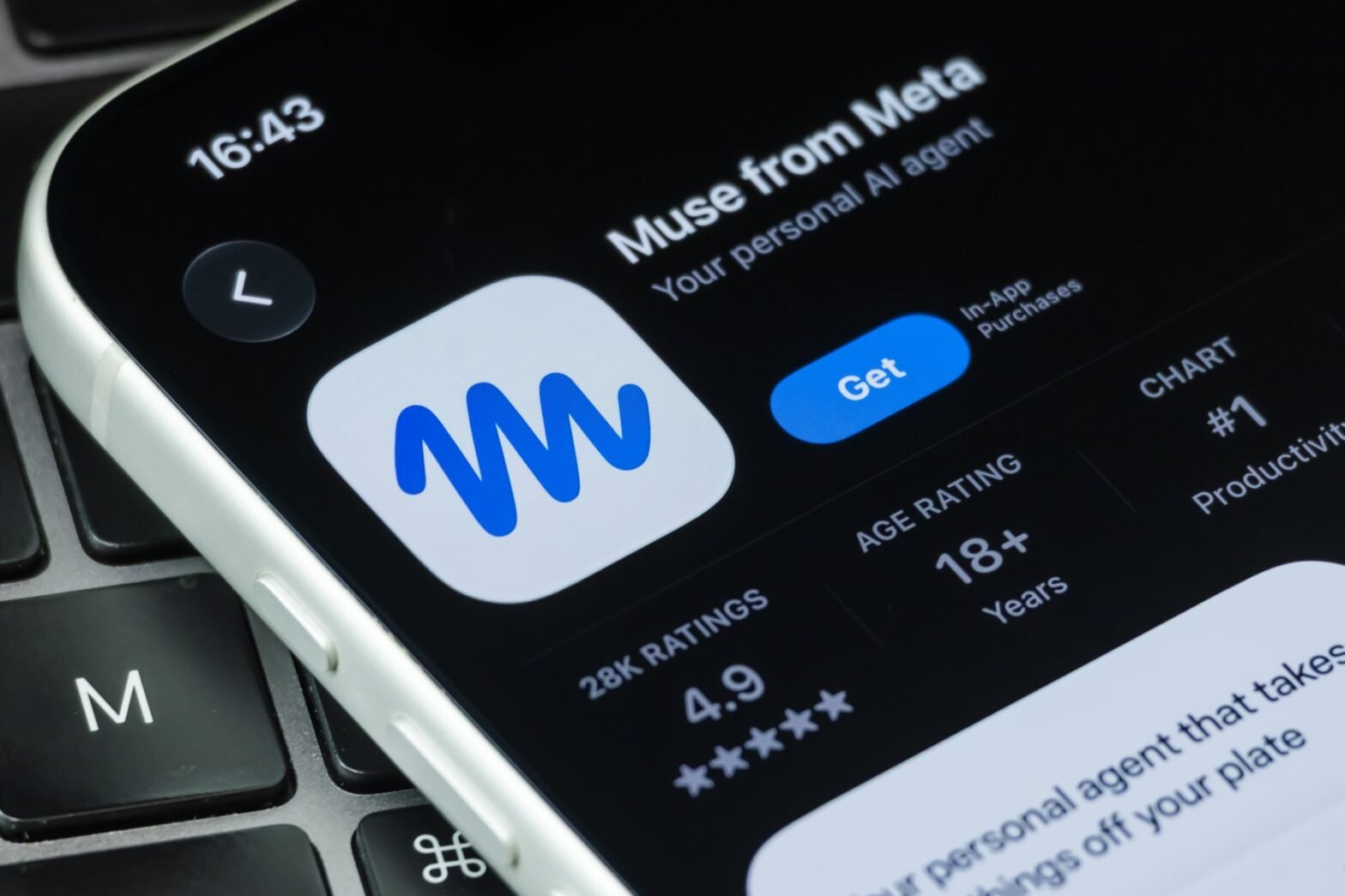
Meta Platforms has introduced Muse Wonder, a new artificial intelligence model the company claims can compete with the industry’s most advanced systems, marking a major step in CEO Mark Zuckerberg‘s effort to establish Meta as a leader in AI development. Announced October 12, 2026, alongside the more powerful Muse Wonder Full, the technology promises improved reasoning, long-term memory, complex problem-solving, and autonomous task execution. The models will strengthen Meta’s Muse personal AI agent, whose early popularity has been accompanied by concerns about sustaining user engagement. Following substantial investments in research, infrastructure, and personnel, Meta is positioning its technology to challenge established competitors while expanding into professional applications involving finance, healthcare, law, and software development. The announcement also raises questions about privacy, corporate accountability, and whether increasingly autonomous AI assistants can deliver meaningful value without compromising users’ control over personal information.
Key Takeaways
• Meta Claims Frontier-Level Performance: Muse Wonder and Muse Wonder Full reportedly rival leading AI systems in reasoning, coding, memory retention, and complex professional tasks, although independent verification remains important.
• Muse Becomes a Strategic Priority: Meta plans to integrate Muse Wonder into its personal AI agent, initially for subscribers, seeking stronger engagement and greater returns on its substantial AI investments.
• Privacy and Accountability Remain Central: As AI agents gain access to personal documents, communications, and financial information, questions surrounding data protection, user consent, and corporate responsibility become increasingly consequential.
In-Depth
Meta’s introduction of Muse Wonder represents another escalation in the competition to dominate artificial intelligence, with Mark Zuckerberg betting that increasingly capable personal assistants will become indispensable to consumers and businesses.
Developed through Meta Superintelligence Labs, Muse Wonder and its more powerful counterpart, Muse Wonder Full, are designed to perform sophisticated tasks requiring sustained reasoning, contextual memory, and independent problem-solving. Meta claims its models compete with leading systems developed by OpenAI and Anthropic, although company-generated benchmarks require independent scrutiny.
Two capabilities distinguish the announcement. Active Memory allows the technology to retain relevant information across conversations, while Active Focus enables it to pursue complicated objectives, recover from errors, and maintain progress without constant human intervention.
These improvements could strengthen Muse, Meta’s recently introduced personal AI agent. Despite attracting millions of downloads, the service faces the familiar challenge of converting initial curiosity into sustained consumer adoption.
The financial stakes are considerable. Meta has committed enormous resources to AI infrastructure, specialized personnel, and advanced computing capabilities. Investors will increasingly expect demonstrable commercial returns rather than technological promises alone.
Equally important are questions of privacy and accountability. AI assistants capable of examining financial records, legal documents, medical information, and private communications introduce significant responsibilities concerning consent, security, and individual autonomy.
Meta says its systems incorporate safeguards against unauthorized disclosures, but those protections must prove effective under real-world conditions.
Ultimately, the competitive advantage will belong to companies that demonstrate reliability, usefulness, and respect for personal privacy. Technological sophistication alone cannot substitute for consumer trust.
Sources
• https://about.fb.com/news/2026/10/introducing-muse-wonder-models/
• https://research.meta.ai/blog/muse-wonder
• https://techcrunch.com/2026/10/12/meta-releases-its-first-frontier-model-muse-wonder/
• https://www.theverge.com/ai-artificial-intelligence/1009479/meta-muse-wonder-full-ai-model
• https://www.ft.com/content/fca23e77-be57-4d7e-ae61-74ff299e25cb