

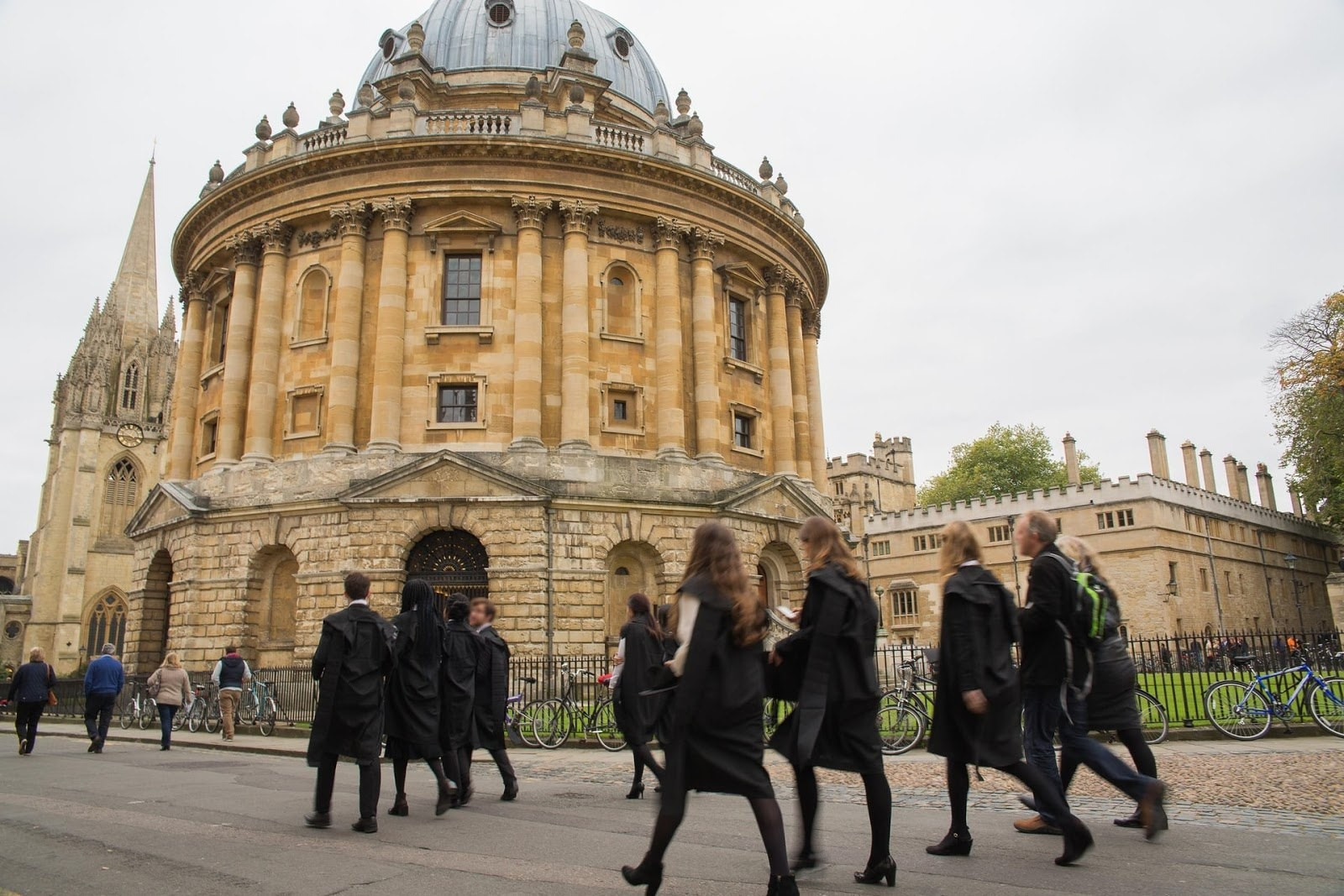
Oxford philosopher Carissa Véliz is warning that society’s growing dependence on predictions—particularly those generated by artificial intelligence, algorithms, data analytics, and technology companies—risks turning uncertain possibilities into seemingly inevitable outcomes. Véliz argues that predictions are not facts and can become instruments of influence when governments, corporations, investors, or technology executives convince people that a particular future is unavoidable. Her broader concern is that modern predictive systems depend heavily on surveillance and enormous quantities of personal data, allowing institutions to categorize individuals, anticipate behavior, and potentially shape decisions before people act. Rather than accepting technological forecasts as neutral descriptions of what lies ahead, she urges citizens to examine who is making a prediction, what interests that party has, what evidence supports it, and who benefits if the public believes it.
Key Takeaways
- Véliz argues that predictions about human behavior can become self-fulfilling because people, institutions, markets, and governments may change their behavior in response to forecasts that are mistakenly treated as established facts.
- Artificial intelligence greatly expands predictive power because modern systems can process massive amounts of surveillance and behavioral data, potentially giving corporations and governments unprecedented influence over employment, lending, insurance, politics, commerce, and individual choices.
- The alternative to prediction-driven decision-making is not ignorance but resilience: institutions and individuals can prepare for multiple possible futures while preserving human judgment, accountability, privacy, individual agency, and the understanding that technological outcomes are not necessarily inevitable.
In-Depth
Artificial intelligence has intensified an old human temptation: believing that whoever can predict the future possesses knowledge that others lack. Oxford philosopher Carissa Véliz argues that modern prediction culture deserves considerably more skepticism, particularly when forecasts concern human behavior.
The distinction matters because predictions can influence the events they supposedly describe. Tell workers repeatedly that artificial intelligence will eliminate their professions, for example, and some may abandon careers, employers may reduce hiring, investors may redirect capital, and governments may alter policy. A forecast can consequently help manufacture the outcome it predicted.
That possibility becomes more consequential when predictive power rests with corporations possessing enormous quantities of personal information. Modern digital surveillance provides the raw material from which algorithms estimate what people might buy, believe, support, fear, or do. Prediction therefore becomes intertwined with institutional power.
Véliz’s warning also challenges the assumption that numerical sophistication guarantees objectivity. Algorithms remain products of human decisions concerning data, assumptions, categories, objectives, and acceptable errors. Treating their conclusions as unquestionable facts can transfer responsibility from accountable people to supposedly neutral systems.
A healthier approach would preserve a distinction between preparation and prediction. Governments, businesses, and individuals unquestionably must anticipate risks. But preparing for several possibilities differs fundamentally from declaring one future inevitable.
That distinction is especially important in a free society. Citizens who believe technological outcomes are predetermined may surrender choices they still possess. Predictions should therefore be examined as claims rather than commands. The essential questions remain straightforward: Who made the prediction, what evidence supports it, what assumptions underlie it, and who gains if everyone believes it? Uncertainty, properly understood, preserves room for judgment, adaptation, dissent, innovation, and human agency.
Sources
- https://www.privacyguides.org/videos/2026/04/19/interview-with-carissa-veliz-author-of-privacy-is-power-and-prophecy/
- https://www.lawfaremedia.org/article/lawfare-daily–prophecy–prediction–and-power-with-carissa-v%C3%A9liz
- https://www.rtve.es/noticias/20260520/filosofa-carissa-veliz-prediccion-ia-oraculo-delfos/17074349.shtml
- https://interviews.privacyguides.org/episodes/predictive-ai-w-carissa-veliz-university-of-oxford-professor