

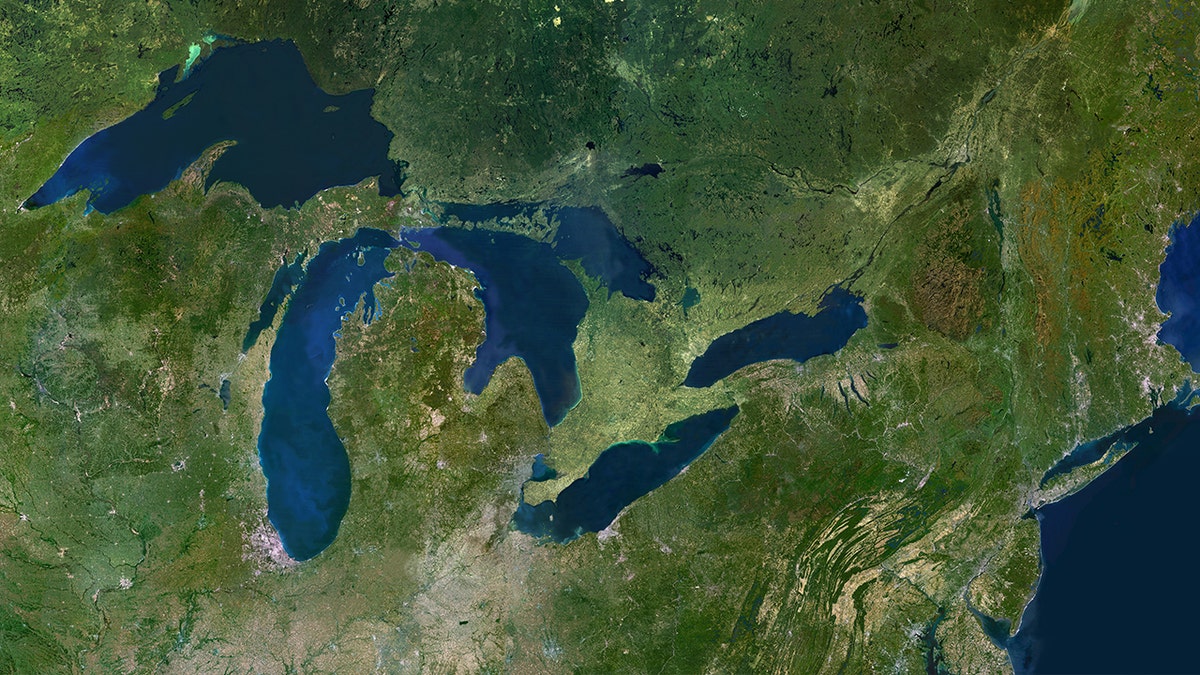
President Donald Trump’s executive order renaming Lake Ontario “Lake America” has triggered an unusual confrontation involving federal naming authority, international sovereignty, major technology companies and consumer sentiment. Google Maps has adopted the new federal designation for U.S. users after the Geographic Names Information System was updated, while Apple Maps continues displaying Lake Ontario even as searches for “Lake America” increasingly point users to the lake. MapQuest has taken the most conspicuous position, refusing to abandon the traditional name and subsequently experiencing a dramatic resurgence in downloads and usage. The dispute, emerging amid worsening U.S.-Canada trade relations, illustrates both the reach and limits of presidential authority: Washington can determine terminology used by federal agencies and official American geographic databases, but it cannot compel Canada or necessarily private mapping companies to adopt the same designation.
Key Takeaways
- Google Maps has implemented “Lake America” for U.S. users following the federal government’s official database change, while Canadians continue seeing “Lake Ontario” and users elsewhere may see both names.
- Apple Maps still labels the Great Lake “Lake Ontario,” although searches for “Lake America” now locate it, as the Trump administration presses Apple to recognize the new federal designation.
- MapQuest’s refusal to rename Lake Ontario unexpectedly revitalized the longtime navigation service, producing hundreds of thousands of downloads, sharply increased usage and a surge to the top of app rankings.
In-Depth
President Donald Trump’s executive order renaming Lake Ontario “Lake America” has moved beyond federal paperwork into a test of how private technology companies respond when Washington changes official geographic names. Google Maps adopted Lake America for users in the United States after the Geographic Names Information System was updated, while Canadian users continue seeing Lake Ontario and users elsewhere see both names.
Apple has moved more cautiously. Its maps still display Lake Ontario, although searches for “Lake America” now direct American users to the same body of water, suggesting the company may be preparing for a broader change. Interior Secretary Doug Burgum said Trump personally contacted Apple about adopting the federal designation.
MapQuest has chosen the opposite course, publicly declaring that it will retain Lake Ontario. That decision produced a commercial windfall for a navigation service many consumers had largely forgotten. Downloads surged into the hundreds of thousands, usage reportedly climbed to roughly 50 times normal levels, and the app vaulted to the top of navigation rankings and ultimately the overall free-app chart.
The dispute demonstrates how presidential authority over federal naming conventions can collide with corporate judgment, international boundaries and historical usage. Trump can direct federal agencies to use Lake America, but Canada is under no obligation to follow Washington’s terminology. The result is a geographic name that changes by country, mapping platform or digital service. What began as a symbolic assertion during a U.S.-Canada trade confrontation has become a contest over national authority, corporate discretion and public sentiment.
Sources
- https://www.reuters.com/world/us/google-maps-will-show-lake-america-us-not-lake-ontario-2026-08-30/
- https://techcrunch.com/2026/08/31/mapquests-app-surges-to-no-1-in-navigation-after-refusing-to-rename-lake-ontario/
- https://www.axios.com/2026/08/31/trump-lake-america-apple-maps-request
- https://appleinsider.com/articles/26/09/01/apple-maps-bring-up-lake-ontario-if-you-search-for-lake-america