

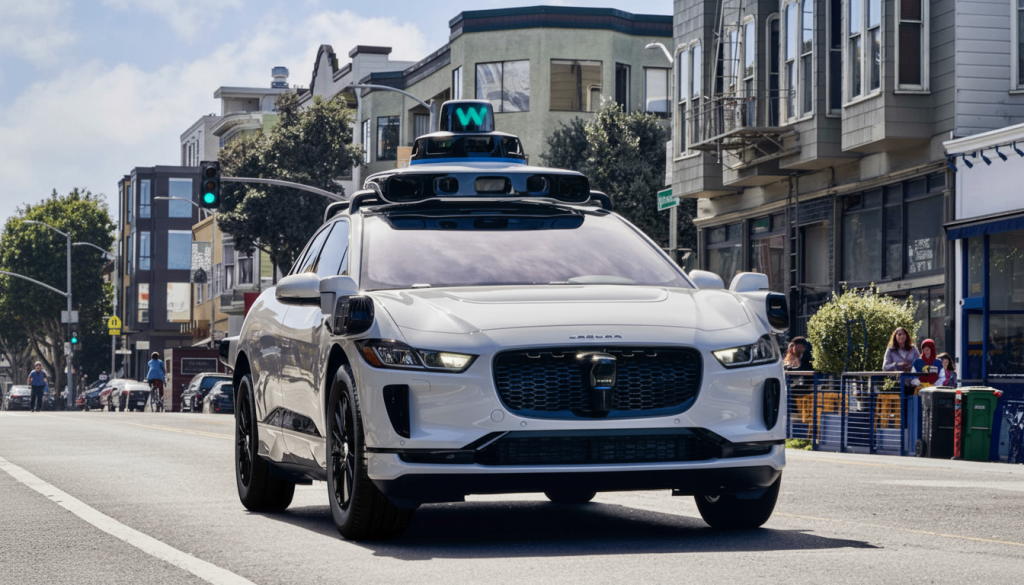
Waymo has begun operating its robotaxi fleet in Miami without onboard safety drivers, a key step toward its broader rollout of fully autonomous rides in 2026. According to reports, the company is initiating operations in Miami now and plans to expand shortly afterward into Dallas, Houston, San Antonio and Orlando. The move underscores Waymo’s confidence in its underlying technology and signals increased pressure on legacy ride-hailing companies and regulators to respond.
Key Takeaways
– Waymo’s removal of onboard human safety drivers in Miami marks a major milestone in commercializing autonomous ride-hailing and puts it ahead of many competitors.
– With expansion plans to Dallas, Houston, San Antonio and Orlando, the company is rapidly scaling from pilot to full-service deployment, increasing regulatory and market stakes.
– The shift raises competitive pressure on legacy ride-hailing platforms and traditional auto manufacturers to accelerate their autonomous-mobility efforts, while also reigniting safety and regulatory scrutiny.
In-Depth
The autonomous-vehicle industry has entered a new chapter with Waymo’s bold decision to remove onboard safety drivers in its Miami operations, setting the stage for what could become one of the first large-scale commercially viable robotaxi networks in the United States. Until now, much of the industry’s rollout has been staggered, cautious, and limited, but Waymo’s advance signals that the company believes the technology is mature enough—and the regulatory environment stable enough—to move from strictly supervised piloting to more routine service.
In Miami, beginning immediately, the fleet will operate without a human monitor behind the wheel. According to TechCrunch, Waymo officially announced the launch of the driver-less (in-vehicle human monitor free) service in Miami ahead of a full public launch slated for 2026. This is an important progression from testing phases to revenue-generating operations. The Electrek piece confirms that Waymo is concurrently announcing expansion into multiple major U.S. cities, including Dallas, Houston, San Antonio and Orlando, with Miami serving as the first market. Reuters puts the fleet size at more than 1,500 vehicles and underscores the company’s status as the only U.S. operator currently offering paid robotaxi rides without in-vehicle human monitors or safety drivers.
For a company that traces its roots back to Google‘s self-driving car project, this move reflects years of data accumulation, iterative improvement, regulatory engagement and strategic patience. By eliminating safety drivers, Waymo is reducing operational cost, improving service scalability and signaling to investors and competitors alike that the era of human-supervised autonomous mobility may be drawing to a close. That, in turn, invites a re-examination of current ride-hailing economics: lower driver costs, higher automation, and potentially different service models.
At the same time, the move isn’t without risk. Autonomous systems still face irregular conditions, unusual traffic patterns, and edge-case behavior that human drivers handle instinctively. But Waymo seems confident in its technology stack, large-scale data sets, and operational readiness. The regulatory environment too is adapting; cities, states and federal agencies are under pressure to define frameworks for driverless mobility, liability, insurance and public safety. With Waymo’s rapid expansion into multiple cities, regulators will be watching closely. Meanwhile, legacy ride-hailing companies and automakers must evaluate how they will respond or risk being supplanted.
From a broader perspective, this moment may mark the tipping point where autonomous ride-hailing shifts from novelty to operational reality. As Waymo scales out its services—first in Miami, then across other major U.S. metros—the traditional transportation ecosystem faces disruption. Taxi and ride-share drivers, auto manufacturers, city planners and regulators alike are being forced to adapt. For consumers, the promise is cheaper rides, 24/7 availability and less reliance on human labor. For investors, the frontier of mobility has moved again, with automation now closer to commercial infrastructure than ever before.
In sum, Waymo’s Miami driver-less rollout is more than a tech demo—it’s a strategic statement. The company is placing real rides, real sensors, and real capital behind the vision of automated mobility. If successful, it may accelerate the timeline for autonomous ride-hailing and force the industry at large to either keep up or fall behind.