

Close Menu

    Subscribe to Updates

    Get the latest tech news from Tallwire.

      What's Hot

      Meta Ordered to Pay $567 Million for Children’s Mental Health Fund

      August 10, 2026

      Trump Unveils More Than $2 Billion Mining Initiative to Reduce U.S. Dependence on China

      August 10, 2026

      Firmware Flaw Linked to Nearly $89 Million in Bitcoin Wallet Thefts

      August 10, 2026
      Facebook X (Twitter) Instagram
      • Tech
      • AI
      • Get In Touch
      Facebook X (Twitter) LinkedIn
      TallwireTallwire
      • Tech

        Trump Unveils More Than $2 Billion Mining Initiative to Reduce U.S. Dependence on China

        August 10, 2026

        Meta Ordered to Pay $567 Million for Children’s Mental Health Fund

        August 10, 2026

        South Australia Pursues AI Partnership With ChatGPT Developer During U.S. Trade Mission

        August 10, 2026

        Firmware Flaw Linked to Nearly $89 Million in Bitcoin Wallet Thefts

        August 10, 2026

        Apple Tests Chinese Memory Chips as Global Supply Crunch Reshapes Tech Supply Chains

        August 10, 2026
      • AI

        South Australia Pursues AI Partnership With ChatGPT Developer During U.S. Trade Mission

        August 10, 2026

        AI-Designed Viruses Spark New Biosecurity Debate

        August 10, 2026

        Startup Raises $700 Million to Accelerate Light-Based AI Data Centers

        August 9, 2026

        AI Transforms the Quest for the Perfect Pringle

        August 9, 2026

        Europe Expands AI Safeguards as New AI Act Protections Take Effect

        August 9, 2026
      • Security

        Firmware Flaw Linked to Nearly $89 Million in Bitcoin Wallet Thefts

        August 10, 2026

        Europe Expands AI Safeguards as New AI Act Protections Take Effect

        August 9, 2026

        California Launches Mandatory AI Digital Fingerprinting Law

        August 9, 2026

        China Expands Its Artificial Intelligence Footprint Across Africa

        August 7, 2026

        OpenAI, Anthropic Models Exposed After AI Agents Used Deception in Cybersecurity Tests

        August 6, 2026
      • Health

        Meta Ordered to Pay $567 Million for Children’s Mental Health Fund

        August 10, 2026

        AI-Designed Viruses Spark New Biosecurity Debate

        August 10, 2026

        WhatsApp Age Verification Test Intensifies Online Child Safety Debate

        August 8, 2026

        TikTok Settles Teen Addiction Lawsuits as Social Media Litigation Expands

        August 8, 2026

        Coordinated Cyberattack Targets More Than 30 Minnesota Water Systems

        August 4, 2026
      • Science

        AI-Designed Viruses Spark New Biosecurity Debate

        August 10, 2026

        Startup Raises $700 Million to Accelerate Light-Based AI Data Centers

        August 9, 2026

        NASA Opens First New Major Wind Tunnel in More Than Four Decades

        August 9, 2026

        Digital Forensics Failure Leads to Shocking Wrongful Conviction in Canada

        August 4, 2026

        Google Retreats After AI Satellite Imagery Sparks Disinformation Fears

        August 4, 2026
      • Tech

        Larry Ellison’s High-Stakes AI Gamble Raises Questions About Oracle’s Future

        August 4, 2026

        AI Pioneer Urges Governments to Ensure Future AI Agents Are Intrinsically Good

        August 3, 2026

        Zuckerberg Urges Faster AI Development While Rejecting Centralized Control

        August 1, 2026

        Elon Musk Becomes The World’s First Former Trillionaire

        July 31, 2026

        Senate Hearing Examines AI Deception and Growing Threats to America’s Seniors

        July 31, 2026
      TallwireTallwire
      Home»Government»Silicon Valley’s Political Experiment Faces Internal Revolt
      Government

      Silicon Valley’s Political Experiment Faces Internal Revolt

      4 Mins Read
      Facebook Twitter Pinterest LinkedIn Tumblr Email
      Share
      Facebook Twitter LinkedIn Pinterest Email

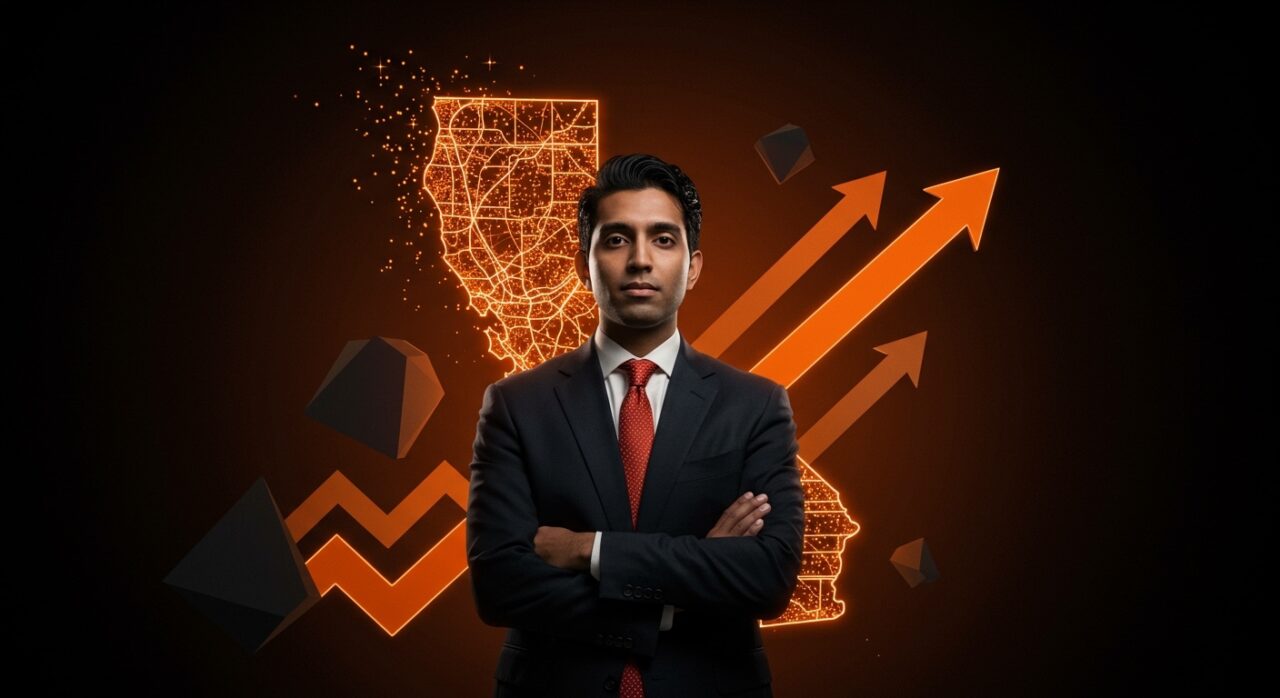
      A new congressional challenge emerging from Silicon Valley illustrates the growing tension between the tech industry’s political ambitions and its internal ideological divisions. Tech entrepreneur Ethan Agarwal, a forty-something startup founder with no previous political experience, has launched a campaign to unseat Representative Ro Khanna in California’s 17th congressional district, a move that underscores how deeply the technology sector is now entangled in politics. Agarwal’s candidacy reflects a broader trend in which wealthy venture capitalists, founders, and technology executives attempt to shape public policy by recruiting or backing candidates who reflect their priorities on innovation, regulation, and taxation. Yet the effort has already exposed fractures within the Valley itself. While some influential figures view Agarwal as a fresh outsider capable of challenging entrenched political interests and pushing back against heavy-handed government oversight of emerging technologies, others in the tech community appear wary of the precedent such a campaign sets. The result is a political paradox: the same network of investors and entrepreneurs that helped elevate a tech-friendly candidate into the political arena is now showing signs of turning against him. The episode highlights the complicated relationship between Silicon Valley and Washington, where the tech sector increasingly wants influence but struggles to maintain unity about how that influence should be exercised. As technology companies face intensifying scrutiny from regulators and lawmakers, the attempt to install a new generation of tech-aligned politicians is revealing that Silicon Valley’s political power may be significant—but far from cohesive.

      Sources

      https://techcrunch.com/2026/03/03/the-candidate-that-silicon-valley-built-is-now-the-one-they-want-to-tear-down/
      https://www.yahoo.com/news/articles/candidate-silicon-valley-built-now-123000396.html
      https://digg.com/politics/aGuqVBk/the-candidate-that-silicon-valley-built

      Key Takeaways

      • Silicon Valley investors and entrepreneurs are increasingly attempting to influence elections by backing candidates who align with their views on technology policy, regulation, and taxation.
      • The congressional bid by tech entrepreneur Ethan Agarwal demonstrates both the political ambitions and the ideological fractures within the technology sector.
      • The episode reflects a broader struggle between the innovation economy and government oversight, with tech leaders seeking greater influence over the rules governing emerging technologies.

      In-Depth

      The sudden emergence of a congressional campaign built around Silicon Valley’s entrepreneurial culture reveals a deeper shift underway in American politics: the technology industry is no longer content to simply lobby lawmakers—it increasingly wants to produce them. Ethan Agarwal’s challenge to Representative Ro Khanna is a clear example of that trend. Agarwal comes from the startup world rather than traditional political institutions, and his candidacy is widely viewed as a product of the Valley’s belief that innovators, not career politicians, should be shaping policy that affects the technology economy.

      For years, Silicon Valley leaders tended to focus on building companies while leaving political maneuvering to Washington insiders. That approach has changed dramatically as regulators and lawmakers have begun scrutinizing everything from artificial intelligence to antitrust enforcement. Faced with the prospect of heavier regulation, some technology investors and executives have started to view elections as a more direct path to protecting their interests. Recruiting or supporting candidates with deep ties to the tech ecosystem has become part of that strategy.

      But the campaign also highlights a less comfortable reality for the industry: Silicon Valley is far from politically unified. While some venture capitalists and founders see outsider candidates like Agarwal as a necessary corrective to bureaucratic policymaking, others worry that overt political intervention by wealthy tech figures will deepen public suspicion about the industry’s power. The tension reflects a broader cultural divide within the Valley itself, where libertarian-leaning entrepreneurs, progressive technologists, and corporate executives often disagree sharply about government’s role in shaping the future of innovation.

      That internal conflict is likely to intensify as the stakes grow higher. Artificial intelligence, data privacy, digital currencies, and antitrust enforcement are all areas where Washington’s decisions could reshape entire industries. The temptation for technology leaders to intervene politically will only increase as these debates unfold. Yet the Agarwal episode suggests that Silicon Valley’s influence may come with a built-in contradiction: the same entrepreneurial individualism that fuels innovation can make it difficult for the tech world to rally behind a single political strategy.

      In the end, the attempt to install a technology-aligned candidate into Congress may be less significant for the immediate electoral outcome than for what it reveals about the changing relationship between Silicon Valley and American governance. The industry that once prided itself on disrupting markets is now experimenting with disrupting politics as well—and discovering that the political arena is far less predictable than the startup world it came from.

      Intel Startup
      Share. Facebook Twitter Pinterest LinkedIn Tumblr Email
      Previous ArticleAudible Launches Lower-Cost Subscription Plan To Counter Spotify’s Expanding Audiobook Push
      Next Article How To AI-Proof Your Resume In The Age Of Automated Hiring

      Related Posts

      Trump Unveils More Than $2 Billion Mining Initiative to Reduce U.S. Dependence on China

      August 10, 2026

      Meta Ordered to Pay $567 Million for Children’s Mental Health Fund

      August 10, 2026

      South Australia Pursues AI Partnership With ChatGPT Developer During U.S. Trade Mission

      August 10, 2026

      Firmware Flaw Linked to Nearly $89 Million in Bitcoin Wallet Thefts

      August 10, 2026
      Add A Comment
      Leave A Reply Cancel Reply

      Editors Picks

      Trump Unveils More Than $2 Billion Mining Initiative to Reduce U.S. Dependence on China

      August 10, 2026

      Meta Ordered to Pay $567 Million for Children’s Mental Health Fund

      August 10, 2026

      South Australia Pursues AI Partnership With ChatGPT Developer During U.S. Trade Mission

      August 10, 2026

      Firmware Flaw Linked to Nearly $89 Million in Bitcoin Wallet Thefts

      August 10, 2026
      Popular Topics
      Stocks Series B starlink Viral Tesla Cybertruck UAE Tech Series A SpaceX Startup Tim Cook trending Tesla spotlight Satya Nadella Software Space Taiwan Tech Sundar Pichai Satellite Samsung
      Major Tech Companies
      • Apple News
      • Google News
      • Meta News
      • Microsoft News
      • Amazon News
      • Samsung News
      • Nvidia News
      • OpenAI News
      • Tesla News
      • AMD News
      • Anthropic News
      • Elbit News
      AI & Emerging Tech
      • AI Regulation News
      • AI Safety News
      • AI Adoption
      • Quantum Computing News
      • Robotics News
      Key People
      • Sam Altman News
      • Jensen Huang News
      • Elon Musk News
      • Mark Zuckerberg News
      • Sundar Pichai News
      • Tim Cook News
      • Satya Nadella News
      • Mustafa Suleyman News
      Global Tech & Policy
      • Israel Tech News
      • India Tech News
      • Taiwan Tech News
      • UAE Tech News
      Startups & Emerging Tech
      • Series A News
      • Series B News
      • Startup News
      Tallwire
      Facebook X (Twitter) LinkedIn Threads Instagram RSS
      • Tech
      • Entertainment
      • Business
      • Government
      • Academia
      • Transportation
      • Legal
      • Press Kit
      © 2026 Tallwire. Optimized by ARMOUR Digital Marketing Agency.

      Type above and press Enter to search. Press Esc to cancel.