

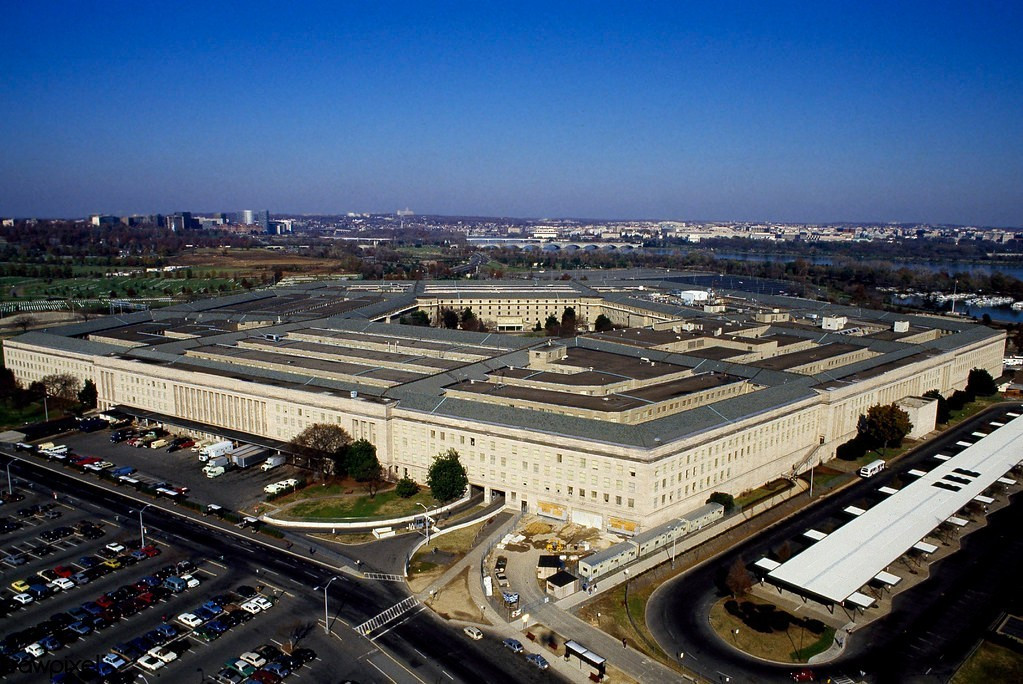
Major technology platforms have confirmed that Anthropic‘s Claude artificial-intelligence model will remain available to most enterprise and commercial customers despite a dispute between the company and the U.S. Department of Defense that resulted in the Pentagon labeling the firm a supply-chain risk. The conflict emerged after Anthropic refused to grant the military unrestricted use of its AI technology for applications the company argued could be unsafe, including mass surveillance of Americans and fully autonomous weapons systems. While the Pentagon’s designation means the Defense Department will ultimately be unable to use the Claude system and may require contractors tied to defense work to certify they are not relying on it in military contexts, large technology providers say the ruling does not apply to civilian or commercial uses. Microsoft indicated that Claude will continue to be available across products such as its productivity and developer platforms, while Google and Amazon similarly signaled that cloud customers can keep using the technology for non-defense workloads. The situation highlights growing friction between Silicon Valley’s AI developers and the federal government as artificial intelligence becomes a central component of national security planning, while also revealing the complicated legal terrain governing how private technology companies interact with defense agencies and contractors.
Sources
https://techcrunch.com/2026/03/06/microsoft-anthropic-claude-remains-available-to-customers-except-the-defense-department/
https://techcrunch.com/2026/03/05/anthropic-to-challenge-dods-supply-chain-label-in-court/
https://techcrunch.com/2026/03/02/tech-workers-urge-dod-congress-to-withdraw-anthropic-label-as-a-supply-chain-risk/
Key Takeaways
- The Pentagon labeled Anthropic a supply-chain risk after the company refused to allow unrestricted military use of its Claude AI model, particularly for mass surveillance or autonomous weapons.
- Major technology platforms including Microsoft, Google, and Amazon say Claude will remain available to enterprise and commercial customers outside defense-related applications.
- The dispute highlights an emerging power struggle between government defense priorities and private AI developers attempting to impose ethical guardrails on how their technologies are used.
In-Depth
The confrontation between Anthropic and the Pentagon marks one of the most consequential clashes yet between America’s fast-moving artificial intelligence industry and the federal government’s expanding national security ambitions. At the center of the dispute is Claude, a rapidly growing AI model developed by Anthropic that has become widely integrated into enterprise software, developer tools, and cloud computing platforms.
The conflict escalated after defense officials pushed for broader access to Claude’s capabilities for military applications. According to reporting surrounding the dispute, Anthropic leadership drew a hard line on two issues: the company did not want its technology used for mass domestic surveillance or for fully autonomous weapons systems capable of selecting and striking targets without human oversight. Pentagon officials reportedly argued that such restrictions should not be dictated by private vendors when the military is operating under U.S. law and constitutional authority.
When negotiations broke down, the Department of Defense moved to designate Anthropic as a supply-chain risk — a powerful label typically reserved for foreign adversaries or compromised vendors. Such a designation can effectively bar a company’s technology from use within defense systems and from contractors working directly with the military.
Despite the dramatic step, the practical impact appears more limited than the headline suggests. Large technology providers that distribute Claude through their cloud and software platforms quickly clarified that the restriction applies specifically to defense-related uses. Microsoft indicated the AI system will remain accessible to its customers through platforms such as enterprise productivity tools and developer ecosystems. Google and Amazon conveyed similar positions regarding their cloud services.
Anthropic itself has signaled it will challenge the designation in court, arguing the government’s action is legally unsound and overly broad. The company maintains that most of its customers — including private businesses and developers — are unaffected by the dispute.
Still, the episode underscores a broader reality that many in the technology world have been reluctant to confront: artificial intelligence is rapidly becoming a strategic military asset. As AI systems increasingly influence intelligence analysis, logistics, cyber operations, and battlefield decision-making, the federal government’s desire for unrestricted access is likely to grow.
For Silicon Valley firms attempting to balance commercial growth with ethical guardrails, that tension is only going to intensify. The Claude dispute shows how quickly disagreements over AI governance can escalate into major policy battles — and it may serve as a preview of the much larger conflicts that lie ahead as artificial intelligence becomes deeply embedded in both the global economy and national security infrastructure.