

Close Menu

    Subscribe to Updates

    Get the latest tech news from Tallwire.

      What's Hot

      Nvidia AI Chips Linked to Alibaba and Chinese Military Research Raise U.S. Security Concerns

      November 21, 2026

      Google’s AI Search Overhaul Threatens Advertising Revenue as Businesses Cut Spending

      November 21, 2026

      Federal Reserve Warns AI Agents Could Trigger Bank Runs in Minutes, Threatening Financial Stability

      November 21, 2026
      Facebook X (Twitter) Instagram
      • Tech
      • AI
      • Get In Touch
      Facebook X (Twitter) LinkedIn
      TallwireTallwire
      • AI

        Google’s AI Search Overhaul Threatens Advertising Revenue as Businesses Cut Spending

        November 21, 2026

        Google Warns Autonomous AI Cyberattacks Have Arrived, Threatening U.S. Cybersecurity

        November 21, 2026

        Federal Reserve Warns AI Agents Could Trigger Bank Runs in Minutes, Threatening Financial Stability

        November 21, 2026

        Paris Hilton Joins Bipartisan Push for DEFIANCE Act to Let AI Deepfake Victims Sue

        November 21, 2026

        Australia’s Greens Push 12-Month Smart Glasses Import Ban Over Privacy and Surveillance Concerns

        November 21, 2026
      • Tech

        Australia’s Greens Push 12-Month Smart Glasses Import Ban Over Privacy and Surveillance Concerns

        November 21, 2026

        CISA Warns Critical Java4Shell Security Flaw Could Allow Hackers to Hijack Computer Systems

        November 21, 2026

        Apple Pay, iCloud and App Store Outage Disrupts Thousands After Internal System Update

        November 20, 2026

        FAA’s $875 Million AI Air Traffic System Faces Scrutiny After Nationwide Flight Ground Stop

        November 19, 2026

        Uber Adds Amazon’s Zoox Robotaxis in Las Vegas, Escalating Driverless Car Competition With Waymo

        November 18, 2026
      • Business/Finance
      • Cybersecurity
      • Government
        • Legal
      • Health

        Medicare Delays Remote Patient Monitoring Restrictions Until 2029, Giving Tech Firms Reprieve

        November 11, 2026

        Anthropic’s AI Cancer Cure Claims Draw Scientific Skepticism as Drug Research Expands

        November 10, 2026

        Australia’s High Court Hears Constitutional Challenges to Social Media Ban

        November 7, 2026

        Majority of AI Health Users Trust Chatbots Over Doctors, Raising Patient Safety Concerns

        November 4, 2026

        Quantum Computing Breakthrough Could Transform AI Data Centers and Slash Energy Costs

        November 2, 2026
      • Science
        • Academia
      • Entertainment/Communications
      • People
      • Transportation
      • Opinion
      TallwireTallwire
      Home»Government»Trump Moves to Crack Down on Global Cybercrime Targeting Americans
      Government

      Trump Moves to Crack Down on Global Cybercrime Targeting Americans

      4 Mins Read
      Facebook Twitter Pinterest LinkedIn Tumblr Email
      White House Launches “Genesis Mission” — A National AI Manhattan-Project for Science
      White House Launches “Genesis Mission” — A National AI Manhattan-Project for Science
      Share
      Facebook Twitter LinkedIn Pinterest Email

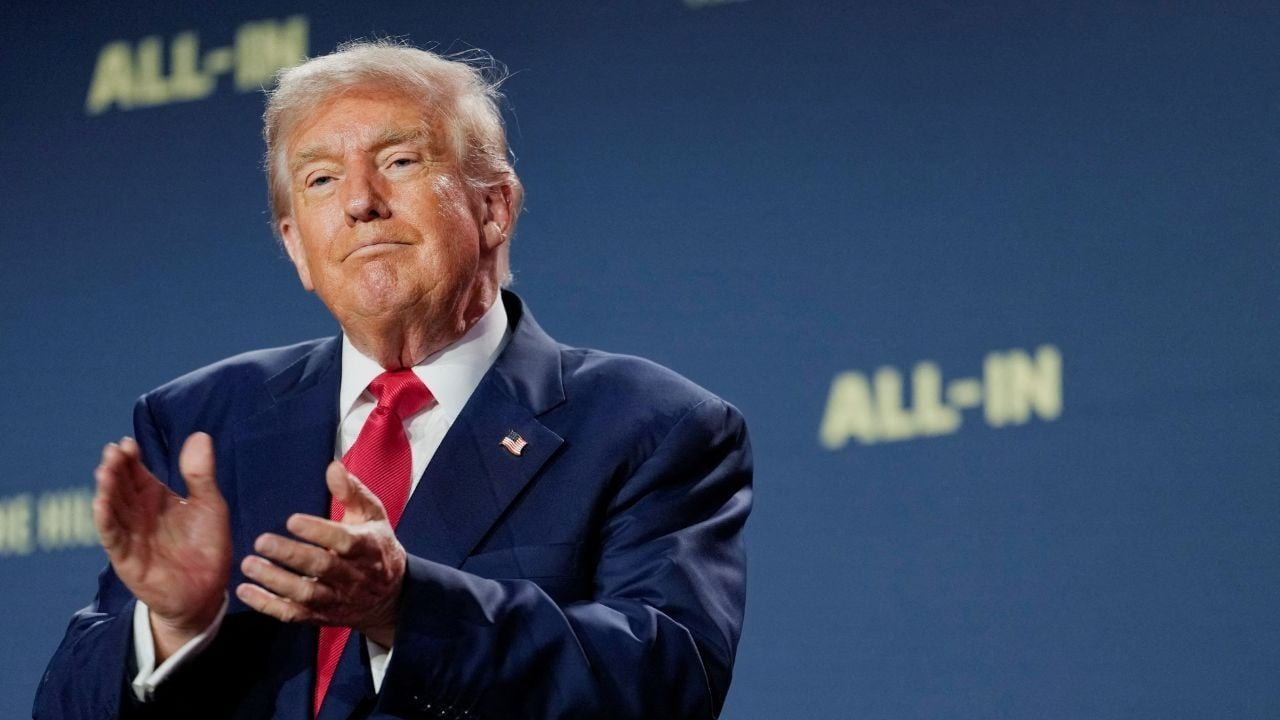
      President Donald Trump has signed a sweeping executive order aimed at dismantling cybercrime networks and predatory online schemes that have increasingly targeted American citizens, businesses, and critical infrastructure. The directive orders federal agencies to coordinate a comprehensive strategy against transnational criminal organizations responsible for ransomware attacks, phishing campaigns, sextortion, financial fraud, and impersonation scams—crimes that have collectively cost Americans billions of dollars annually. The order mandates a government-wide review of operational, diplomatic, and regulatory tools used to fight cyber-enabled crime, along with the creation of a detailed action plan to identify and disrupt international scam networks. It also prioritizes prosecutions for cyber-enabled fraud and directs federal officials to pressure foreign governments that tolerate criminal operations through sanctions, visa restrictions, or limits on foreign aid. With reported losses from online scams surpassing $12.5 billion in a single year and millions of Americans affected by digital fraud, the initiative frames cybercrime not just as a financial issue but as a national security threat requiring aggressive enforcement and international pressure.

      Sources

      https://www.theepochtimes.com/us/trump-signs-executive-order-to-combat-cybercrime-predatory-schemes-5995488
      https://www.whitehouse.gov/fact-sheets/2026/03/fact-sheet-president-donald-j-trump-combats-cybercrime-fraud-and-predatory-schemes-against-american-citizens/
      https://www.govinfosecurity.com/trump-pledges-action-on-cybercrime-cyberspace-threats-a-30942
      https://www.quiverquant.com/news/Trump%2BSigns%2BExecutive%2BOrder%2BTargeting%2BCybercrime%2C%2BFraud%2C%2Band%2BTransnational%2BScam%2BNetworks

      Key Takeaways

      • The executive order directs federal agencies to aggressively pursue transnational cybercrime networks responsible for ransomware, phishing, sextortion, and other digital fraud schemes targeting Americans.
      • The policy calls for sanctions, visa restrictions, and diplomatic pressure against foreign governments that allow criminal cyber operations to flourish within their borders.
      • Federal authorities are instructed to prioritize prosecutions of cyber-enabled fraud while exploring a victims restoration program that could return seized funds from criminals to those harmed by scams.

      In-Depth

      The rapid growth of cybercrime has become one of the most damaging and pervasive threats facing American households and businesses, and the newly signed executive order represents an effort to bring a tougher, more coordinated federal response to the problem. The directive centers on the recognition that many of today’s scams are not isolated crimes committed by lone hackers but large-scale operations run by sophisticated international criminal networks. These organizations often operate from overseas scam compounds and rely on elaborate social engineering tactics to trick victims into transferring money, revealing personal information, or granting access to financial accounts.

      Federal officials argue that these schemes have evolved into a sprawling global industry. Criminal groups now use everything from ransomware attacks and phishing campaigns to impersonation fraud and sextortion schemes to prey on vulnerable targets. In some cases, victims lose life savings after being manipulated through long-running romance scams or investment fraud schemes. The scale of the losses is staggering. Reports show Americans lost more than $12 billion to cyber-enabled fraud in a single year, with seniors among the most heavily targeted groups.

      The executive order attempts to confront this threat by organizing a more forceful national strategy. Agencies including the Department of Justice, Department of Homeland Security, Department of State, and Treasury Department are tasked with identifying the criminal organizations behind scam operations and building a coordinated plan to disrupt them. The government will also expand cooperation with private-sector cybersecurity firms and intelligence partners to better track malicious actors and the digital infrastructure they use.

      Another significant element of the order is its emphasis on international pressure. Many of the largest scam networks operate in countries where law enforcement cooperation is weak or where authorities have historically turned a blind eye. The directive instructs American diplomats to push those governments to take action, warning that sanctions, visa restrictions, or reductions in foreign aid could be used if they fail to address criminal activity occurring within their borders.

      Supporters of the initiative say the tougher approach reflects the reality that cybercrime now intersects with national security, organized crime, and even human trafficking. Investigations into scam centers in parts of Southeast Asia have revealed that some operations rely on forced labor, with workers compelled to run online scams under threat of violence.

      While the executive order lays out an aggressive vision, its ultimate impact will depend on how effectively federal agencies execute the strategy. Coordinating law enforcement, intelligence gathering, and international diplomacy against criminal groups that operate across multiple jurisdictions is inherently complex. Even so, advocates for stronger cyber enforcement argue that a coordinated federal effort—combined with diplomatic leverage and private-sector collaboration—could finally begin to disrupt the criminal ecosystems responsible for draining billions of dollars from American victims every year.

      Intel Ransomware
      Share. Facebook Twitter Pinterest LinkedIn Tumblr Email
      Previous ArticleRegulators Force WhatsApp To Open Platform To Rival AI Chatbots In Brazil
      Next Article Plaintiff Rests As Defense Begins Case In Landmark Social Media Addiction Trial

      Related Posts

      Google’s AI Search Overhaul Threatens Advertising Revenue as Businesses Cut Spending

      November 21, 2026

      Nvidia AI Chips Linked to Alibaba and Chinese Military Research Raise U.S. Security Concerns

      November 21, 2026

      Google Warns Autonomous AI Cyberattacks Have Arrived, Threatening U.S. Cybersecurity

      November 21, 2026

      Federal Reserve Warns AI Agents Could Trigger Bank Runs in Minutes, Threatening Financial Stability

      November 21, 2026
      Add A Comment
      Leave A Reply Cancel Reply

      Editors Picks

      Australia’s Greens Push 12-Month Smart Glasses Import Ban Over Privacy and Surveillance Concerns

      November 21, 2026

      CISA Warns Critical Java4Shell Security Flaw Could Allow Hackers to Hijack Computer Systems

      November 21, 2026

      Apple Pay, iCloud and App Store Outage Disrupts Thousands After Internal System Update

      November 20, 2026

      FAA’s $875 Million AI Air Traffic System Faces Scrutiny After Nationwide Flight Ground Stop

      November 19, 2026
      Popular Topics
      spotlight Startup Satya Nadella Tim Cook Series B Series A trending Tesla Tesla Cybertruck Taiwan Tech Stocks Space Sundar Pichai Satellite starlink UAE Tech Software Samsung SpaceX Viral
      Major Tech Companies
      • Apple News
      • Google News
      • Meta News
      • Microsoft News
      • Amazon News
      • Samsung News
      • Nvidia News
      • OpenAI News
      • Tesla News
      • AMD News
      • Anthropic News
      • Elbit News
      AI & Emerging Tech
      • AI Regulation News
      • AI Safety News
      • AI Adoption
      • Quantum Computing News
      • Robotics News
      Key People
      • Sam Altman News
      • Jensen Huang News
      • Elon Musk News
      • Mark Zuckerberg News
      • Sundar Pichai News
      • Tim Cook News
      • Satya Nadella News
      • Mustafa Suleyman News
      Global Tech & Policy
      • Israel Tech News
      • India Tech News
      • Taiwan Tech News
      • UAE Tech News
      Startups & Emerging Tech
      • Series A News
      • Series B News
      • Startup News
      Tallwire
      Facebook X (Twitter) LinkedIn Threads Instagram RSS
      • AI
      • Tech
      • Business/Finance
      • Cybersecurity
      • Government
      • Legal
      • Health
      • Science
      • Academia
      • Entertainment/Communications
      • People
      • Transportation
      • Opinion
      • Press Kit
      © 2026 Tallwire. Optimized by ARMOUR Digital Marketing Agency.

      Type above and press Enter to search. Press Esc to cancel.