

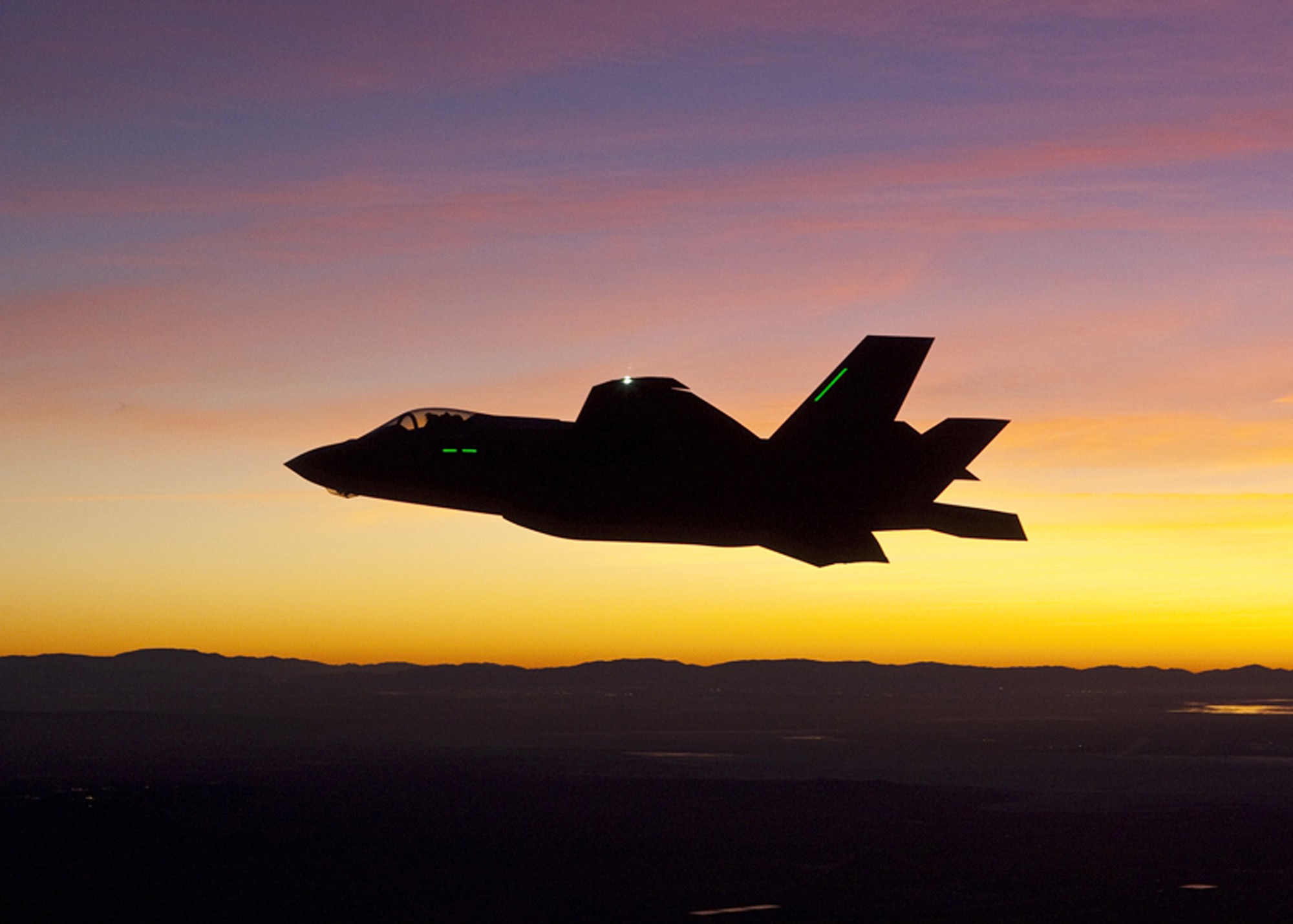
Recent military operations targeting Iranian assets have spotlighted advanced Israeli-developed weapons systems that are helping both Israeli and American pilots carry out long-range precision strikes with remarkable accuracy. Among the technologies drawing attention are the SPICE family of guided munitions, the LITENING advanced targeting pod, and the Ice Breaker missile system—tools designed to improve targeting accuracy even in heavily jammed electronic environments. These systems combine electro-optical guidance, advanced sensors, and sophisticated targeting capabilities that allow aircraft to engage targets at extended ranges while minimizing collateral damage. The SPICE munitions, for example, can glide dozens of kilometers to their targets, while LITENING pods provide pilots with highly detailed targeting data and surveillance capabilities. Together, these technologies are becoming central to modern air warfare, demonstrating how precision guidance, data-driven targeting, and integrated sensor systems are reshaping battlefield strategy and reinforcing the growing military collaboration between the United States and Israel.
Sources
https://www.jpost.com/defense-and-tech/article-888948
https://www.opiniojuris.org/2024/04/20/artificial-intelligence-in-the-battlefield-a-perspective-from-israel/
https://en.wikipedia.org/wiki/Artificial_intelligence_arms_race
Key Takeaways
- Israeli-developed precision weapons and targeting systems are playing a major role in modern air operations, enabling pilots to strike targets at long distances with greater accuracy and reduced collateral damage.
- Advanced guidance technologies such as electro-optical targeting, sensor integration, and AI-supported data analysis are increasingly defining the future of warfare.
- Military cooperation between the United States and Israel continues to deepen through shared technologies, joint operations, and integrated defense systems.
In-Depth
Modern warfare is undergoing a profound technological transformation, and the latest military operations involving Iranian targets provide a clear glimpse into what that transformation looks like in practice. At the center of this shift are highly advanced precision-strike technologies developed by Israel’s defense sector and increasingly deployed by both Israeli and American forces.
One of the most significant systems drawing attention is the SPICE series of guided munitions. Rather than functioning like traditional “dumb bombs,” SPICE weapons are equipped with electro-optical guidance systems that allow them to identify and lock onto specific targets. Once released, the munitions deploy wings that enable them to glide toward their targets from distances that can exceed dozens of kilometers. This capability allows aircraft to remain outside heavily defended airspace while still striking with high precision. The largest variant, carrying a warhead weighing roughly 2,000 pounds, can reach targets approximately 60 kilometers away, illustrating the extended reach that modern precision systems provide.
Another critical element of this technological ecosystem is the LITENING advanced targeting pod. Mounted on combat aircraft, the system provides high-resolution imaging, laser designation, and real-time surveillance capabilities. For pilots operating in complex environments—especially those saturated with electronic warfare and signal jamming—these pods dramatically improve the ability to identify, track, and strike targets with confidence. By combining advanced sensors with digital targeting software, they allow pilots to engage targets with a level of situational awareness that was almost unimaginable only a generation ago.
The growing integration of data-driven targeting and artificial intelligence also plays an expanding role in modern combat operations. Military analysts note that AI-enabled systems are increasingly used to process vast amounts of battlefield data, helping commanders identify potential targets and coordinate operations more quickly than traditional intelligence methods would allow. In practice, these systems act as decision-support tools that sift through surveillance feeds, communications intercepts, and other intelligence sources, highlighting potential threats for human analysts and commanders to evaluate.
Israel’s defense technology sector has become particularly influential in this domain. Decades of security challenges pushed the country to build a highly sophisticated domestic defense industry capable of developing everything from missile defense systems to advanced drones and autonomous targeting platforms. Today, those technologies are not only used by Israeli forces but also integrated into broader Western defense networks, reinforcing strategic partnerships and expanding operational capabilities across allied militaries.
Taken together, the growing use of precision-guided munitions, advanced targeting sensors, and data-driven intelligence systems represents a clear evolution in how wars are fought. Instead of relying primarily on mass bombardment or overwhelming force, modern military strategy increasingly emphasizes precision, speed, and information dominance. The technology now deployed by Israeli and American forces illustrates how battlefield innovation continues to reshape the balance of power and redefine the capabilities of modern air warfare.